

Recovering after spinal fusion can be painful, confusing, and frustrating, especially when you are unsure how much movement is safe. This service is designed for people in Edmonton living with ongoing pain, stiffness, or loss of function after spinal fusion surgery who need structured, professional guidance. At Performance Chiropractic + Physiotherapy, care focuses on protecting the surgical area while helping the rest of your body move, heal, and adapt more comfortably. The goal is to reduce pain, restore confidence in movement, and support a safer return to daily life with a clear, individualized plan.
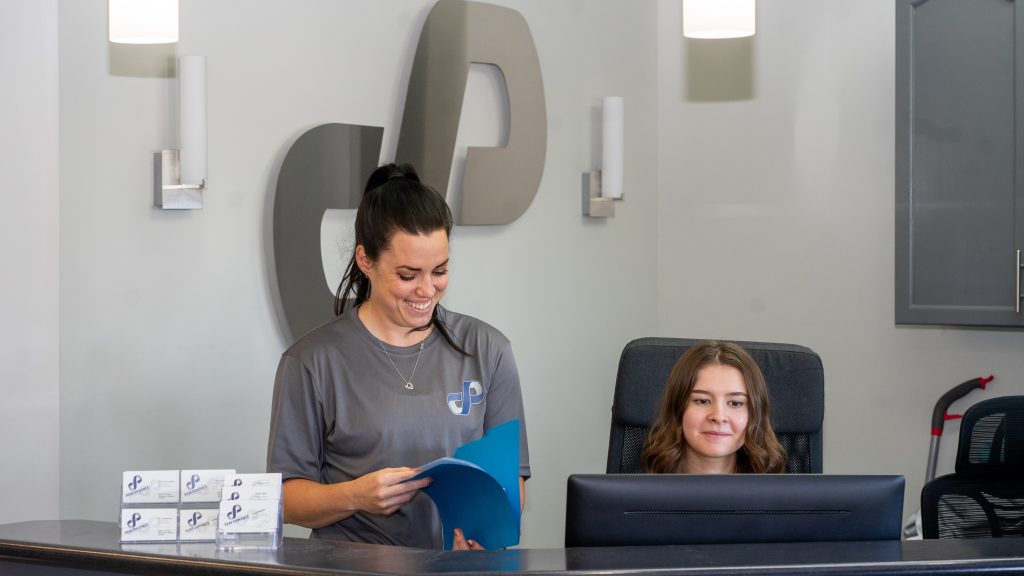
Care begins with a detailed assessment of surgical history, imaging reports, current symptoms, and movement patterns. Treatment avoids forceful manipulation at the fused segments and instead uses low-force techniques, soft tissue therapy, guided mobility for non-fused regions, and progressive exercise. Rehabilitation plans align with common post-surgical guidelines and timelines, focusing on load management, core stabilization, and gradual return to functional activities while respecting surgeon recommendations.
Spinal fusion changes how forces move through the spine and surrounding joints. While the fused segment is stabilized, nearby areas often take on more load, which can trigger pain, stiffness, or nerve irritation. Without targeted rehabilitation, these compensations may worsen over time, leading to ongoing discomfort and reduced function even months or years after surgery.
After fusion, scar tissue formation, protective muscle guarding, and prolonged activity restrictions commonly limit movement. Reduced mobility in the thoracic spine, hips, or shoulders can place stress on the surgical area and contribute to persistent pain, making daily activities like walking, sitting, or sleeping more difficult.
Even when surgery is successful, nerves may remain sensitive due to pre-surgical compression or post-operative inflammation. This can cause lingering pain, tingling, or weakness that does not resolve on its own and requires careful, graded loading to calm the nervous system without aggravating symptoms.
Fusion increases mechanical demand on the joints above and below the surgical site. Poor movement patterns, weak stabilizing muscles, or returning to activity too quickly can increase the risk of adjacent segment degeneration, potentially leading to new pain or further intervention.
Many people become understandably cautious after surgery, avoiding movement out of fear of damaging the fusion. This fear can slow recovery, contribute to deconditioning, and actually increase pain over time if not addressed through guided, confidence-building rehabilitation.
Working with a provider experienced in post-fusion care can lead to meaningful improvements in pain control, mobility, and daily function. By focusing on controlled movement, muscle balance, and nervous system regulation, patients often experience reduced flare-ups, improved tolerance for activity, and greater confidence in their bodies. Outcomes are centred on safer progression, long-term spine health, and improved quality of life rather than quick fixes.
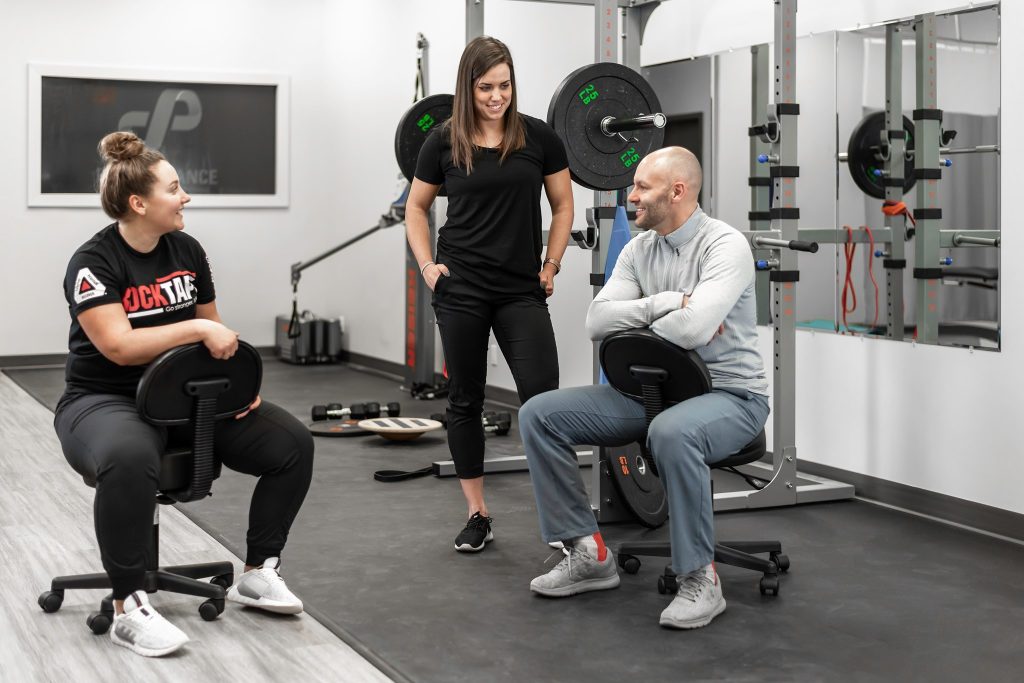
Timing depends on the type of fusion, healing progress, and surgeon guidance. Some people start with gentle care weeks after surgery, while others begin months later. A qualified provider coordinates recommendations with your medical team and adjusts care to your current stage of healing.
When delivered appropriately, care focuses on areas around the fusion rather than the fused segments themselves. Techniques are adapted to avoid stress on surgical hardware and healing bone, emphasizing controlled movement, soft tissue work, and exercise-based rehabilitation.
Ongoing pain long after fusion is common and often related to movement compensation, muscle weakness, or adjacent joint stress. Rehabilitation can still be effective years later by addressing these contributing factors and improving how your body handles daily loads.
People often ask about cost, visit frequency, and expectations. Care plans are individualized based on complexity, recovery stage, and goals, with visits typically spaced to allow progress without overloading tissues. You do not need to be pain-free to start, but medical clearance and surgical details are important. Most patients can expect gradual improvements rather than instant relief, with progress measured through functional gains and reduced pain flare-ups over time.