

This service supports people in Edmonton who are living with pain, stiffness, and movement limitations after a stroke by using carefully adapted chiropractic care as part of a broader rehabilitation plan. It is designed for those struggling with post-stroke discomfort, reduced mobility, or secondary pain that interferes with daily life, focusing on improving comfort, joint function, and confidence in movement while working alongside medical and therapy providers. If ongoing pain or physical limitations are holding you back, this approach can help you take a safer, supported step forward.

The process begins with a thorough assessment of medical history, stroke type, current symptoms, mobility, and pain patterns, with close attention to red flags and physician guidance. Care may include gentle, modified manual techniques, assisted joint mobilization, soft tissue work, and movement guidance tailored to neurological limitations. Collaboration with physiotherapy and other healthcare providers is emphasized, and care plans are adjusted based on response, fatigue levels, and functional goals, following accepted chiropractic and rehabilitation standards.
After a stroke, changes in the brain and nervous system often lead to muscle tightness, weakness, altered posture, and joint stress that can cause persistent pain. Chiropractic involvement in post-stroke recovery focuses on addressing these mechanical and neurological contributors while respecting medical stability and individual recovery timelines.
Stroke-related nerve damage can cause certain muscles to remain overactive while others weaken, pulling joints out of optimal alignment. Over time, this imbalance increases strain on the spine and limbs, leading to soreness, stiffness, and limited range of motion that can make daily tasks painful.
Limited movement or prolonged sitting after a stroke reduces joint lubrication and load sharing, especially in the shoulders, hips, and lower back. These changes can accelerate wear, increase inflammation, and contribute to chronic pain if not addressed with guided, appropriate movement.
Changes in balance and walking patterns often force the body to compensate in inefficient ways. These compensations shift stress to areas not designed to handle it, commonly resulting in back, neck, or hip pain that persists even as other stroke symptoms improve.
Ongoing pain can limit participation in rehabilitation, reduce activity levels, and negatively affect mood and sleep. When pain is not properly managed, it can slow functional recovery and make long-term independence more difficult to achieve.
Working with a qualified provider can help reduce joint stiffness, improve comfort, and support smoother movement patterns during recovery. The goal is not to cure neurological damage, but to create a more stable and comfortable musculoskeletal environment so rehabilitation exercises and daily activities are easier and less painful.
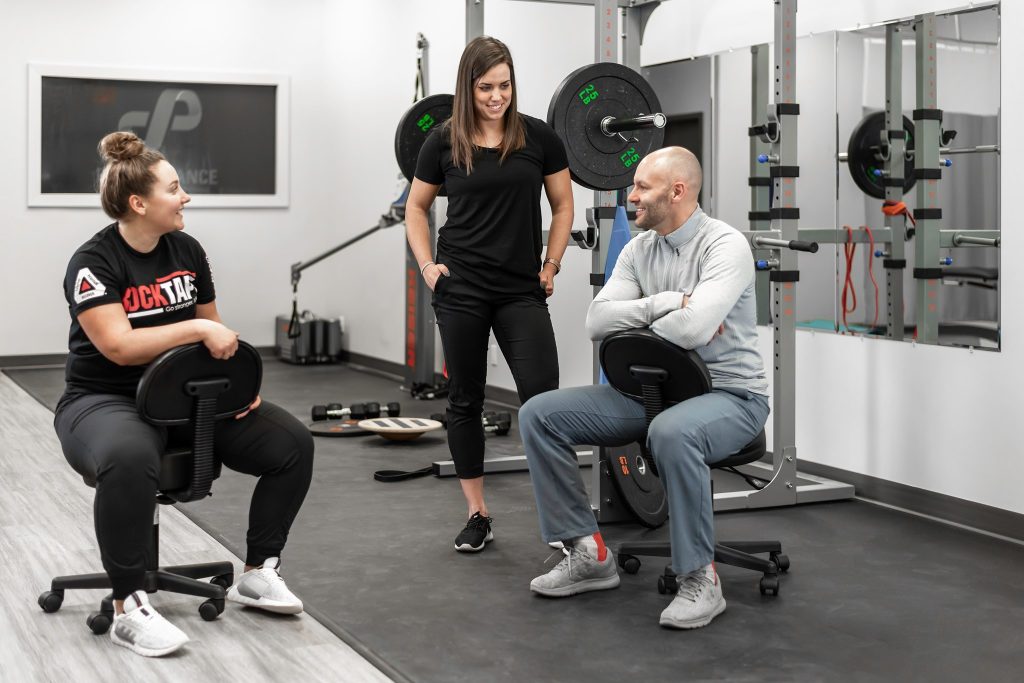
When provided by a trained professional who understands neurological conditions, care is adapted to prioritize safety and medical stability. Techniques are modified, forces are reduced, and coordination with your healthcare team helps ensure risks are minimized.
Timing depends on medical clearance, stroke severity, and overall health. Some people begin once they are medically stable, while others start later in recovery, focusing on managing pain and stiffness that develop over time.
This service is intended to complement, not replace, medical care or physiotherapy. It focuses on musculoskeletal comfort and movement support, working alongside other treatments to improve overall quality of life.
People often ask about timelines, costs, and results, and it is important to understand that progress varies based on stroke severity, consistency of care, and participation in rehabilitation. Treatment plans are typically gradual, reassessed regularly, and focused on meaningful improvements in comfort and function rather than quick fixes. An initial visit usually involves more assessment time, and ongoing care is adjusted as your needs and abilities change.