

Work-related injuries can leave you dealing with constant pain, paperwork, and uncertainty about recovery. This service supports Edmonton workers who are navigating insurer-approved care for job-related injuries by focusing on safe pain relief, functional recovery, and clear clinical documentation. Care is coordinated to fit claim requirements while keeping the focus on your health, mobility, and return to daily activities, with guidance at each step so you can move forward with confidence.
Injuries connected to job duties often involve more than a single sore spot; they usually include repetitive strain, sudden trauma, or cumulative overload that affects joints, muscles, and nerves. When treatment does not account for the physical demands of the workplace or the requirements of an insurer-managed claim, recovery can stall and symptoms can linger longer than expected.
Repetitive lifting, awkward postures, vibration, slips, and sudden impacts can disrupt spinal joints and surrounding soft tissues. These mechanical changes can alter movement patterns and irritate nerves, leading to pain that continues even after the initial tissue healing phase if not addressed with targeted, job-specific rehabilitation.
Waiting too long to address a work injury or receiving care that is not well documented can increase the chance of chronic pain, reduced mobility, and prolonged time off work. In an insurer-managed context, gaps in clinical reporting may also complicate approvals for ongoing treatment.
Relying only on rest or over-the-counter pain relief may mask symptoms without correcting underlying joint or movement problems. This can lead to re-injury when normal duties resume, especially in physically demanding roles.
Ongoing pain affects concentration, sleep, and confidence at work and at home. Without a structured plan that aligns recovery goals with job demands, even motivated workers can struggle to return to full function safely.
Working with a qualified provider experienced in insurer-related cases helps ensure treatment plans are goal-oriented, measurable, and aligned with functional job requirements. This approach supports pain reduction, improved mobility, and safer progression back to work tasks while maintaining clear communication with all stakeholders involved in the claim.
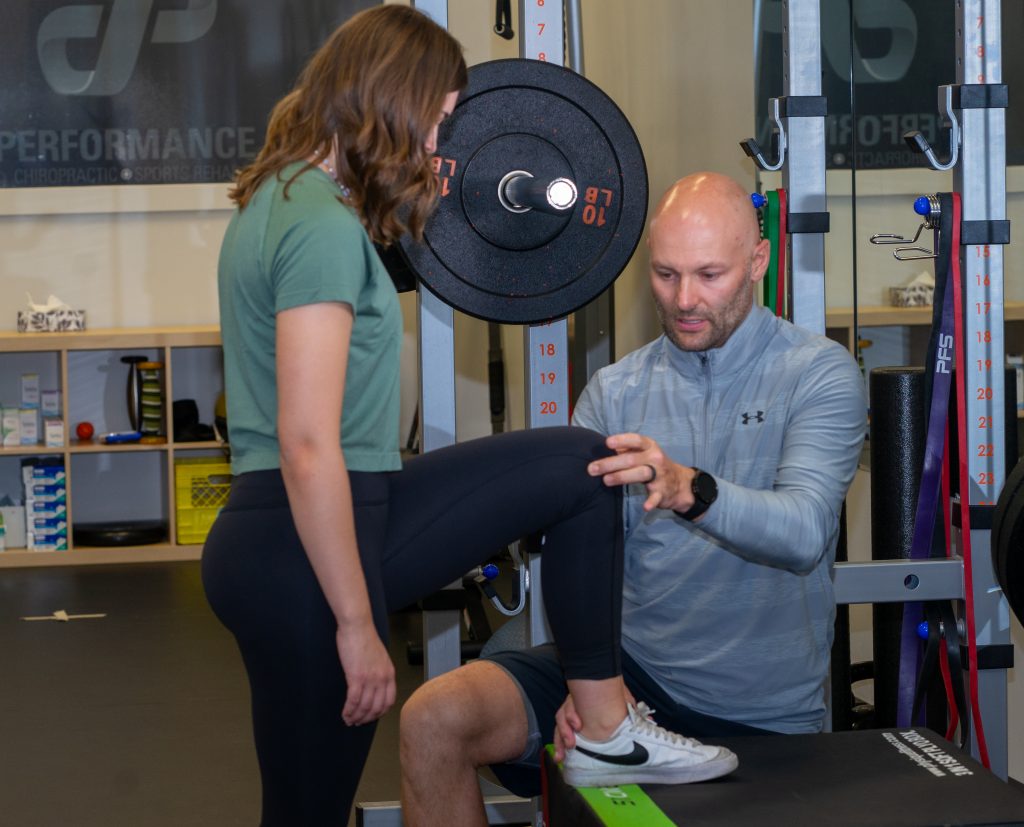

Care begins with a thorough assessment of injury history, current symptoms, and work demands. Treatment may include manual chiropractic techniques, soft tissue therapy, guided exercises, and education to restore normal movement and reduce pain. Progress is tracked through reassessments, with reports and treatment plans prepared to meet insurer documentation standards and adjusted as recovery milestones are reached.
Timelines vary depending on the severity of the injury, how quickly care begins, and the physical demands of the job. Some people notice improvement within a few weeks, while more complex injuries may require a longer, staged rehabilitation plan.
In many cases, an active or pending workplace injury claim is required for insurer-covered treatment. It is important to confirm claim status and any referral requirements early so care can proceed smoothly.
Relevant medical reports, claim information, and a description of your job duties help ensure the assessment and documentation accurately reflect your situation and support appropriate treatment planning.
People often wonder about costs, appointment frequency, and whether treatment will interfere with work schedules. Care plans are typically structured around insurer guidelines, with visit frequency adjusted based on progress and tolerance. Appointments are designed to fit around work commitments where possible, and clear explanations are provided so you know what to expect at each stage of recovery.