

If you are living in Edmonton and struggling with back or neck pain, leg or arm symptoms, or daily activities made difficult by a disc injury, this service focuses on reducing pain and restoring movement through targeted physical rehabilitation. Care is designed for people who want clear answers, hands-on treatment, and a practical plan to get back to work, sport, and normal life without relying on guesswork. Book an assessment to understand what is driving your pain and what can realistically help.
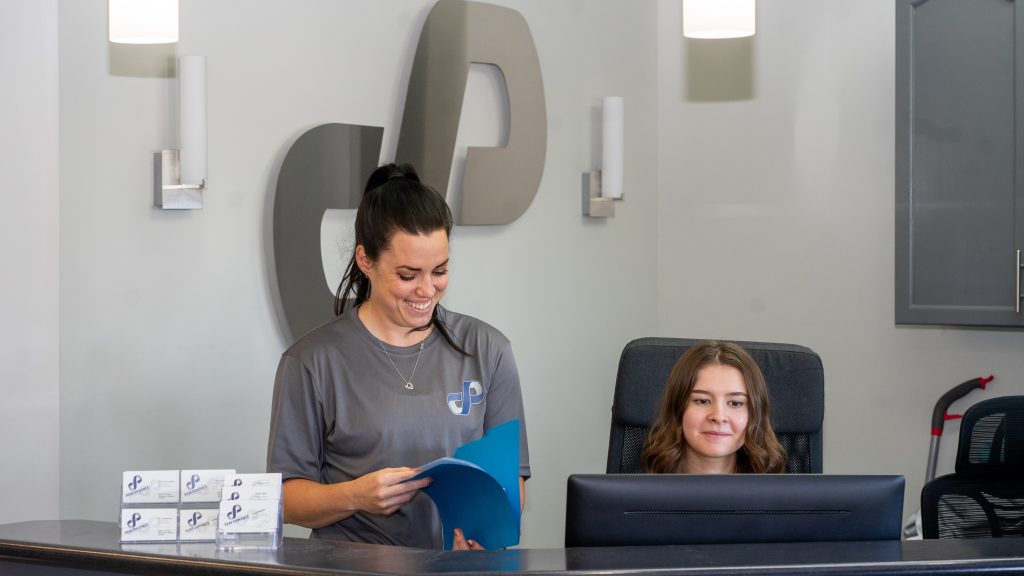
Care begins with a detailed assessment of posture, range of motion, neurological signs, and functional tasks. Treatment commonly includes manual therapy to improve joint and soft tissue mobility, specific exercises to restore spinal stability and directional movement tolerance, and education on pacing and activity modification. Evidence-informed approaches such as graded exposure, motor control training, and progressive loading are used, with ongoing reassessment to ensure the plan remains appropriate.
A bulging disc occurs when the outer fibres of a spinal disc weaken, allowing the disc to protrude beyond its normal boundary. This can irritate nearby nerves or overload spinal joints and muscles, leading to pain, stiffness, or neurological symptoms. Physiotherapy addresses the mechanical and movement-related factors that contribute to these problems rather than masking symptoms alone.
When a disc presses against or chemically irritates a nerve root, it can cause sharp pain, tingling, numbness, or weakness that travels into an arm or leg. Without proper movement guidance and loading strategies, inflammation may persist and sensitivity can increase over time.
Repetitive bending, prolonged sitting, or lifting with poor spinal control can increase pressure on the disc. Over time, these habits reduce the spine’s ability to distribute load evenly, making flare-ups more frequent and recovery slower.
Pain often leads to protective muscle tightening and reduced use of deep stabilizing muscles. This guarding can limit motion, increase joint stress, and create a cycle where the disc area never fully settles.
Leaving disc-related pain untreated or relying on rest alone can result in deconditioning, reduced confidence with movement, and longer recovery timelines. In some cases, nerve symptoms may worsen, affecting strength or coordination.
Working with a qualified provider allows care to be tailored to your symptoms, imaging findings if available, and daily demands. Treatment aims to reduce nerve sensitivity, improve spinal control, and rebuild tolerance to movement so pain decreases and function improves in a predictable way.
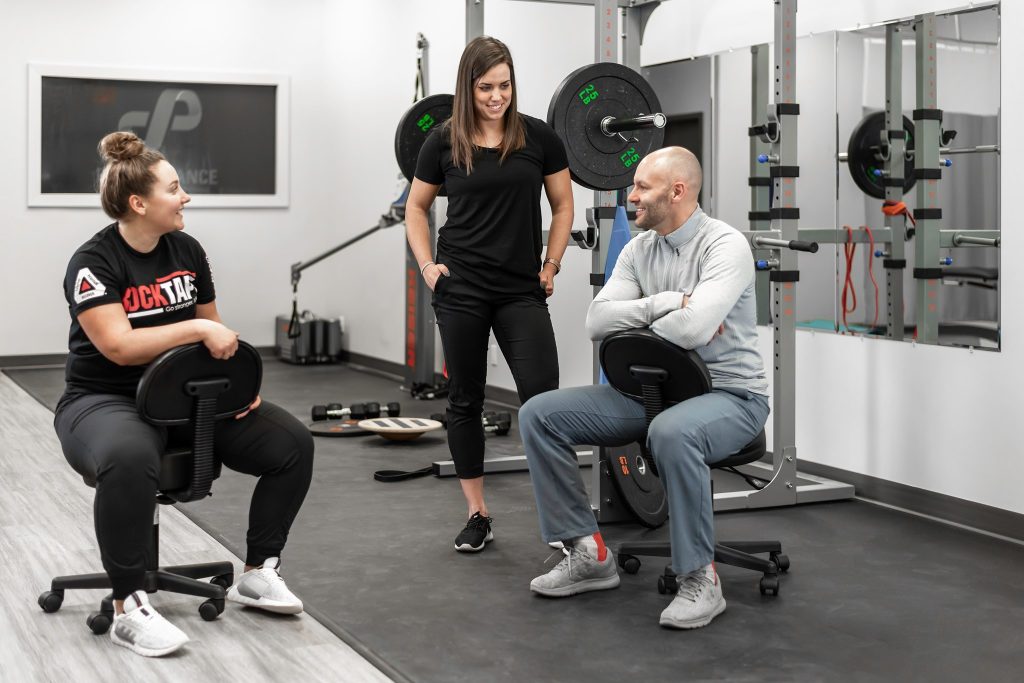
Timelines vary based on symptom severity, duration, and individual health factors. Many people notice meaningful changes within a few weeks, while longer-standing or more complex cases may require several months of guided rehabilitation.
Imaging is not always required. A thorough physical assessment often provides enough information to begin care safely. If red flags or unexpected findings are present, referral for imaging may be recommended.
For many individuals, structured rehabilitation reduces symptoms enough to avoid more invasive options. While not every case responds the same way, conservative care is commonly recommended as an initial step.
People often want to know about cost, visit frequency, and whether exercises will make pain worse. Treatment plans are typically adjusted session by session, exercises are chosen to stay within tolerable limits, and progression is based on your response rather than a fixed template, helping you move forward with confidence.