

This service helps cyclists in Edmonton who are dealing with knee pain, hip discomfort, back stiffness, saddle numbness, or recurring injuries that show up during or after riding. By addressing how your body moves on the bike and how forces are absorbed through joints and tissues, care focuses on reducing pain at its source rather than masking symptoms. If riding has become uncomfortable or is limiting your training, targeted assessment and treatment can help you get back to cycling with more confidence and less pain.

Care begins with a detailed history and physical assessment, including joint mobility, muscle strength, posture, and movement analysis relevant to cycling. Video analysis, functional testing, and on-bike observations may be used to identify inefficient patterns. Treatment can include manual therapy, progressive exercise programs, motor control retraining, and practical guidance on bike setup within clinical scope. Plans are adjusted over time based on response, riding goals, and symptom changes, using evidence-informed physiotherapy standards.
Cycling is repetitive by nature, and even small biomechanical inefficiencies can add up over thousands of pedal strokes. Pain often develops gradually, which makes it easy to overlook early warning signs until symptoms interfere with performance or daily activities.
When saddle height, fore-aft position, or handlebar reach do not match an individual’s anatomy and mobility, excessive stress can be placed on the knees, hips, lower back, neck, or hands. Over time, tissues become overloaded, leading to irritation, inflammation, or altered movement patterns that perpetuate pain.
Tight hip flexors, limited ankle mobility, or weak gluteal and core muscles can change how force is transferred through the pedals. These compensations often increase strain on joints such as the knee or lumbar spine, making pain more likely during longer or harder rides.
Old injuries that were never fully rehabilitated can reappear when cycling volume increases. Scar tissue, residual weakness, or altered neuromuscular control may not be noticeable in daily life but become problematic under repetitive cycling loads.
Pushing through pain can lead to tendinopathy, nerve irritation, or chronic joint issues that take longer to resolve. Early assessment reduces the risk of longer-term problems that may force time off the bike or affect overall mobility.
Working with a qualified provider can lead to reduced pain, smoother pedalling mechanics, improved power transfer, and greater comfort on long rides. Clients often notice better tolerance to training, fewer flare-ups, and more confidence in their body’s ability to handle cycling demands.
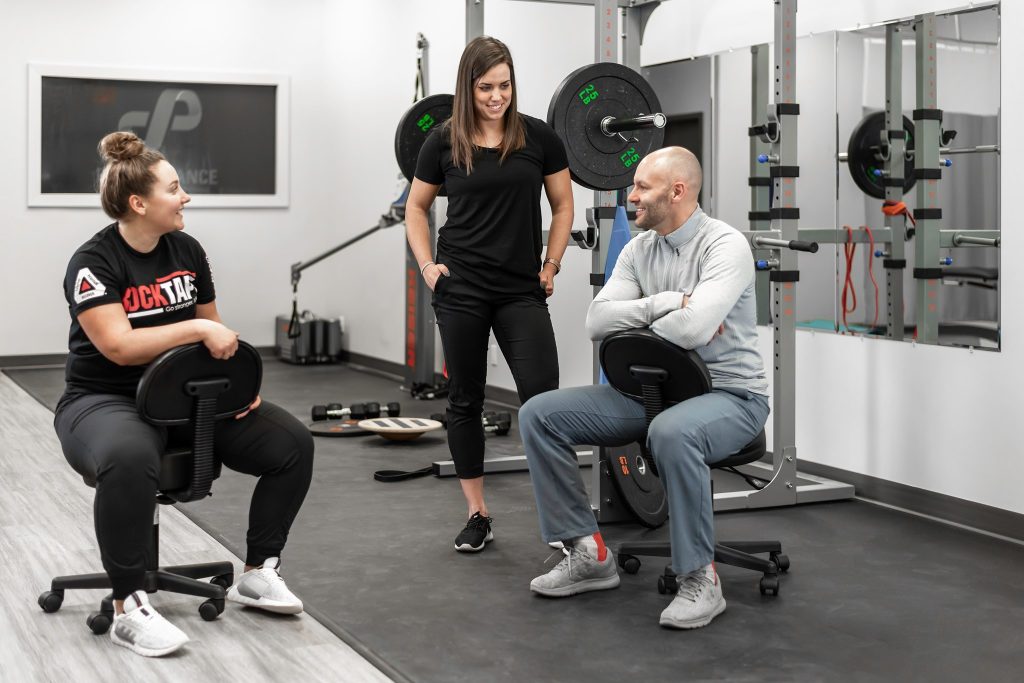
A full bike fit is not always required beforehand. Physiotherapy can identify whether pain is driven primarily by physical limitations, movement habits, or setup factors, and then determine if collaboration with a bike fitter would be beneficial.
Some people feel changes within a few sessions, especially when pain is linked to clear biomechanical issues. More persistent or complex problems may require several weeks of guided treatment and exercise progression.
Yes, the principles apply to anyone who rides regularly. Whether you cycle for commuting, fitness, or competition, addressing biomechanics can reduce pain and improve comfort at any level.
People often ask about cost, session frequency, and whether they should stop cycling during treatment. Fees generally reflect assessment time and complexity, and frequency is based on your condition and goals. In many cases, modified riding can continue while underlying issues are addressed, with guidance provided to keep activity within safe limits.