

Targeted physiotherapy care designed for dancers in Edmonton who are dealing with pain, reduced performance, or recurring injuries that interfere with training and daily life. This service focuses on identifying the true source of movement-related pain, restoring strength and control, and helping you return to dancing with confidence through evidence-based care and individualized treatment plans—book an assessment to start moving more comfortably.
Dance places exceptional physical demands on the body, combining high repetition, extreme ranges of motion, and precise timing. When pain appears, it is often a signal that tissues are overloaded, movement patterns have changed, or recovery has not kept pace with training intensity. Understanding why these problems develop is essential for reducing risk and preventing long-term setbacks.
Dancers commonly perform thousands of similar movements each week, such as jumps, turns, and pointe work, which can gradually exceed the capacity of muscles, tendons, and joints. Without adequate recovery or strength balance, this repetitive stress can lead to conditions like tendinopathy, stress reactions, and joint irritation that worsen if ignored.
Dance often requires end-range positions in the hips, spine, ankles, and feet. When control at these extremes is lacking, ligaments and joint surfaces absorb excessive force, increasing the risk of labral irritation, impingement symptoms, or chronic ankle instability that can limit both performance and comfort.
Pain or previous injury can subtly change how a dancer moves, shifting load to other areas of the body. These compensations may initially feel protective but frequently create secondary problems, such as low back pain following an ankle injury or knee pain after hip weakness.
Continuing to dance through pain without proper assessment can allow minor tissue irritation to progress into more serious injury. Delayed care increases recovery time, raises the chance of recurrence, and may force longer breaks from training or performance.
Working with a qualified provider helps dancers reduce pain while addressing the underlying mechanical and training-related factors contributing to injury. The outcome is not just symptom relief, but improved movement efficiency, greater resilience to load, and a safer return to full dance participation.
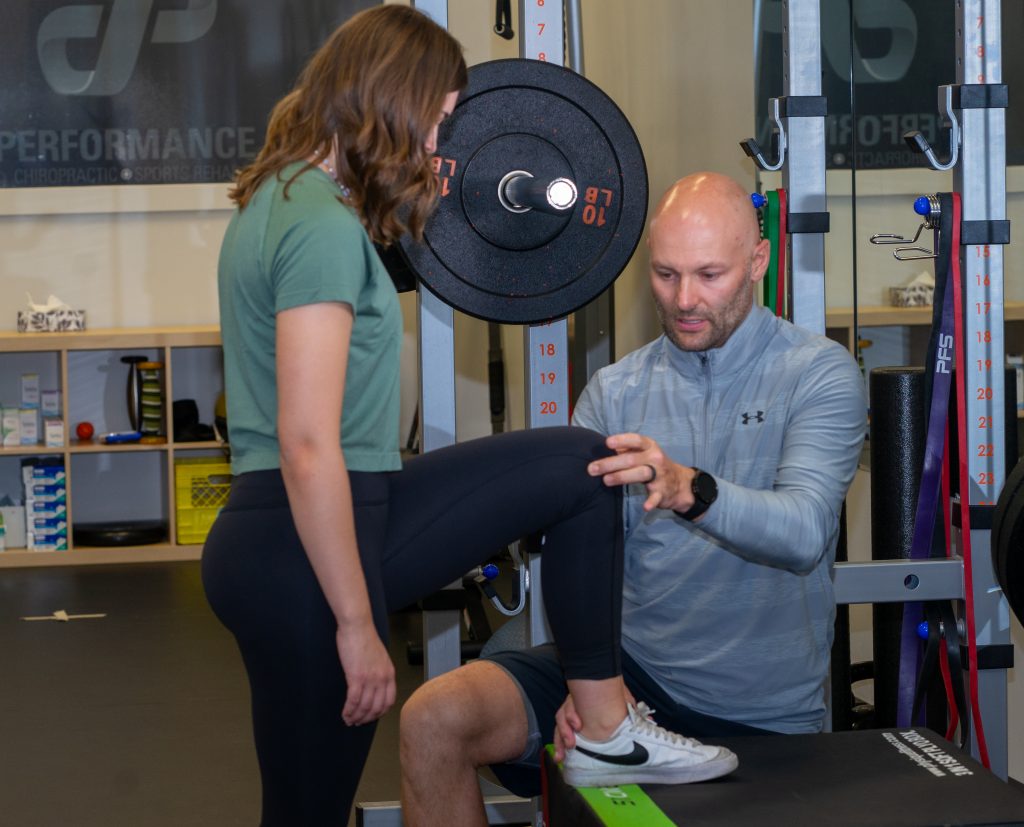

Care begins with a detailed assessment of movement quality, strength, flexibility, and dance-specific tasks. Treatment may include manual therapy to reduce pain and restore mobility, progressive exercise to build load tolerance, and motor control training to improve technique efficiency. Objective measures and functional testing guide progression, while education supports smarter training and recovery decisions aligned with current physiotherapy standards.
Timelines vary depending on the type and severity of injury, training demands, and how early care begins. Some issues improve within a few sessions, while more complex or long-standing conditions may require several weeks of progressive rehabilitation alongside modified training.
Not always. Many dancers continue modified training while receiving care. Your physiotherapist will help determine which movements are safe, which need adjustment, and how to gradually increase load without aggravating symptoms.
No. This approach is suitable for recreational, competitive, and professional dancers of all ages who experience pain or injury related to dance participation.
Patients often ask about cost, appointment frequency, and whether a referral is needed. Fees generally reflect assessment time and treatment complexity, and no physician referral is typically required. Expect an active, collaborative process focused on clear goals, regular reassessment, and practical strategies that support both recovery and long-term dance health.