

If pain, stiffness, or unsteadiness is making everyday movements feel risky, targeted physiotherapy can help you stay upright and confident. This service is designed for people in Edmonton who want to reduce fall risk while addressing the aches, weakness, or balance changes that often come with injury, chronic conditions, or ageing. By identifying why your body feels unstable and treating the physical drivers behind it, care focuses on safer movement and long-term independence. Book an assessment to start moving with more control and less fear.

Care begins with a thorough assessment of pain, balance, strength, mobility, and functional tasks such as walking or standing from a chair. Evidence-informed tools like gait analysis, balance testing, and strength measures guide the plan. Treatment may include progressive exercise therapy, balance retraining, manual therapy for painful or stiff joints, and education on safe movement strategies. Programs are adjusted as you improve, with attention to real-life environments common in Edmonton, including stairs, uneven ground, and winter conditions.
Falls are rarely caused by a single issue; they usually develop from a combination of pain, reduced strength, slower reactions, and changes in balance. When these factors go unaddressed, the risk of injury, loss of confidence, and reduced mobility increases. Understanding the specific contributors allows prevention strategies to be tailored rather than generic.
Ongoing pain in the back, hips, knees, or feet often leads people to change how they walk or stand. These compensations can shift the centre of gravity, reduce joint stability, and make sudden balance corrections harder, increasing the chance of a fall.
Muscle weakness, especially in the legs and core, limits the body’s ability to recover from a trip or uneven surface. Balance relies on coordinated muscle activation and joint awareness, which can decline after injury or periods of inactivity.
Stiff ankles, hips, or spine restrict the range needed to step safely, turn, or adjust posture. Limited mobility can delay protective responses, making everyday tasks like stairs or icy sidewalks more hazardous.
After a fall, many people develop fear that alters their movement patterns. This guarded approach can paradoxically increase instability, reduce activity levels, and contribute to further weakness and pain.
Working with a qualified provider helps translate clinical findings into practical improvements. Clients often notice steadier walking, improved strength, reduced pain during daily activities, and greater confidence when navigating their home and community. Over time, these gains support independence and lower the likelihood of future injuries.
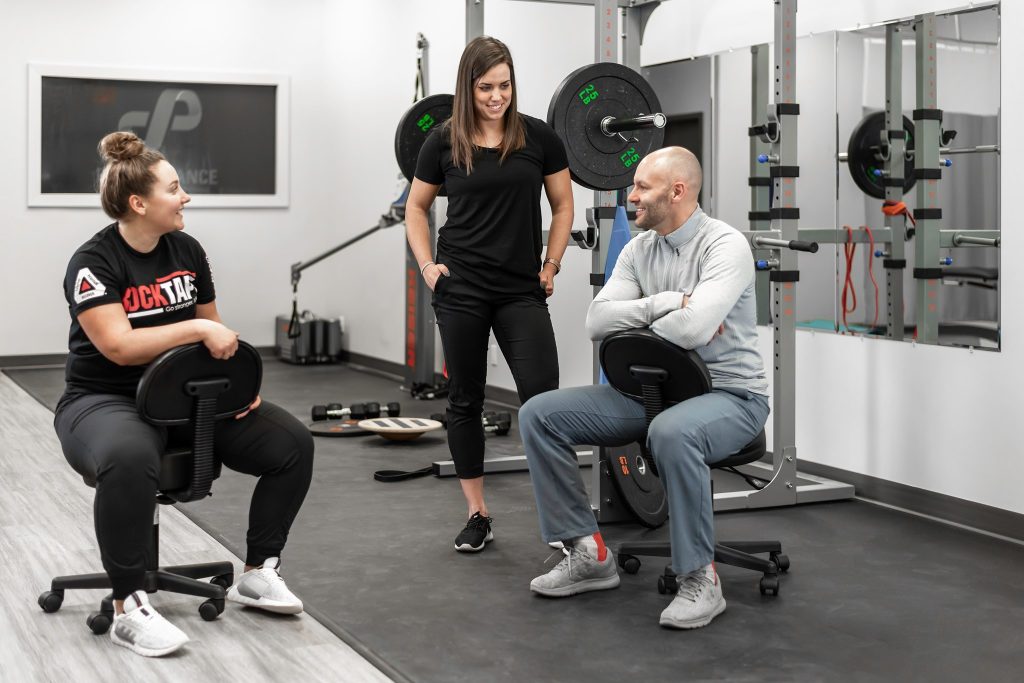
Many people notice early improvements in confidence or pain within a few sessions, while meaningful strength and balance changes typically develop over several weeks. Timelines depend on starting fitness, health history, and consistency with recommended exercises.
No. While fall risk increases with age, anyone experiencing pain, balance issues, or recovering from injury can benefit. This includes people returning to activity after surgery, concussion, or periods of reduced mobility.
A referral is not usually required. Assessments and exercises use simple clinic equipment and body-weight movements, with home programs designed to be practical and safe.
Costs vary based on assessment needs and visit frequency, and many extended health plans offer coverage. Comfortable clothing and supportive footwear are usually all that is needed. This service is appropriate if pain, weakness, or unsteadiness is limiting your confidence, and a professional assessment can clarify whether it fits your goals and health status.