

This service is designed for people in Edmonton dealing with knee pain, swelling, catching, or instability after a meniscus injury, whether it came from sports, work, or everyday movement. Care focuses on reducing pain, restoring knee function, and helping you return to walking, work, and activity with confidence using evidence-based physiotherapy rather than guesswork or prolonged rest. If knee pain is limiting your life, professional assessment and guided rehabilitation can help you move forward safely.
Care begins with a detailed assessment of knee movement, strength, swelling, and functional tasks such as walking or squatting. Treatment typically includes guided exercise therapy, progressive loading, manual techniques when appropriate, and education on activity modification. Rehabilitation follows tissue-healing principles and current physiotherapy standards, gradually increasing demands to help the knee tolerate real-life stresses safely.
Meniscus injuries affect the cartilage that cushions and stabilizes the knee joint, and when not managed properly they can interfere with normal movement, load distribution, and joint health. Pain often persists because the knee is exposed to repeated stress without adequate strength, mobility, or control to support healing.
The meniscus is commonly injured during twisting motions under load, such as pivoting in sports, sudden changes in direction, or awkward movements at work. Degenerative changes can also weaken the cartilage over time, making it vulnerable even during routine activities like squatting or kneeling.
After a meniscus injury, inflammation within the joint can limit knee motion and inhibit muscle activation, especially in the quadriceps. Without targeted movement and strength work, this swelling-stiffness cycle can persist and slow recovery.
Untreated or poorly rehabilitated meniscus injuries can alter how the knee tracks and bears weight. This increases the risk of giving way, re-injury, and added strain on ligaments and joint surfaces.
Relying solely on rest or pain medication may reduce symptoms temporarily but often fails to restore strength, coordination, and joint tolerance. Over time, this can contribute to chronic knee pain and earlier onset of osteoarthritis.
Working with a qualified physiotherapist helps reduce pain and swelling, restore knee range of motion, rebuild strength, and improve balance and control. The goal is not only symptom relief but also safer movement patterns that support long-term knee health and confidence in daily and recreational activities.
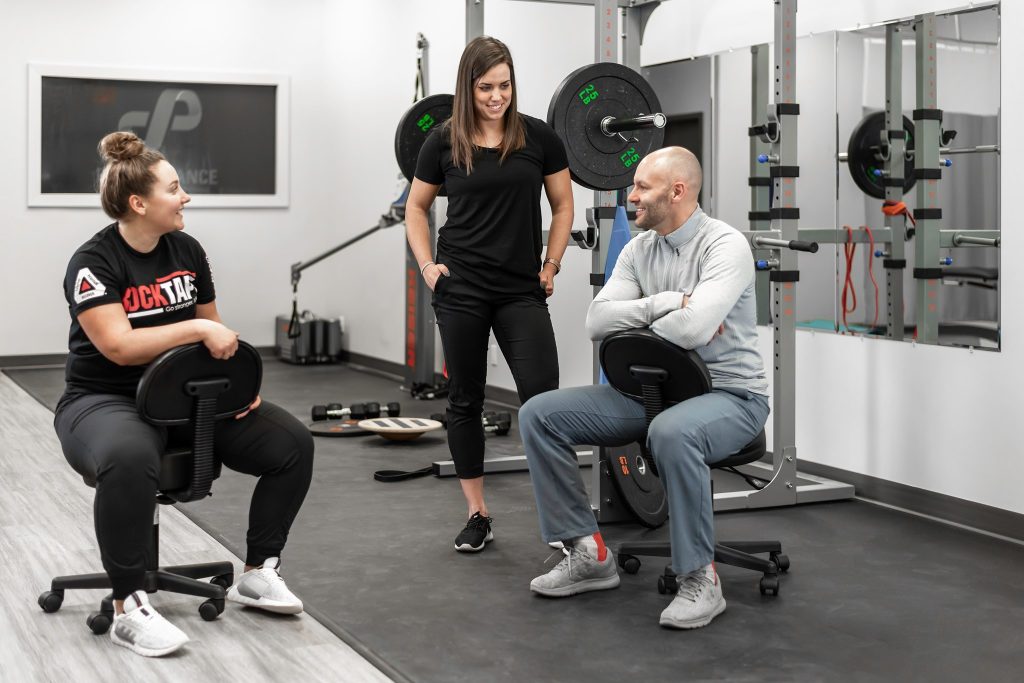
Recovery timelines vary depending on the type of meniscus injury, symptom severity, and activity demands. Many people notice meaningful improvement within weeks, while full rehabilitation may take several months, especially for more complex or long-standing cases.
Not all meniscus injuries require surgery. Research shows many cases respond well to structured physiotherapy, particularly when there is no true mechanical locking. A thorough assessment helps determine whether conservative care is appropriate.
In most cases, activity is modified rather than eliminated. Your physiotherapist guides you on which movements are safe, how to reduce flare-ups, and how to gradually return to work, sport, or exercise without aggravating the knee.
People often ask about cost, appointment frequency, and what to expect at their first visit. Fees typically reflect assessment time and individualized treatment, with visits scheduled based on progress rather than fixed plans. You do not usually need a referral to begin physiotherapy in Alberta, and sessions focus on active recovery so you understand your knee and play an active role in healing.