

Living with Parkinson’s can mean daily pain, stiffness, and loss of confidence in movement, especially for people in Edmonton trying to stay independent and active. This specialised therapy focuses on easing pain, improving mobility, and helping you move more safely through evidence‑based techniques tailored to how Parkinson’s affects your body, with care designed to fit real life and ongoing changes.

Care begins with a detailed assessment of movement, balance, strength, pain patterns, and daily challenges. Treatment commonly includes targeted exercise therapy, gait training, balance retraining, and manual techniques to address stiffness and pain. Evidence‑based approaches such as cueing strategies, task‑specific practice, and progressive strengthening are used and adjusted as symptoms change. Education on home exercises, posture, and safe movement strategies is integrated to support long‑term results, following established physiotherapy standards of practice.
Pain in Parkinson’s disease is not just a side effect of ageing; it often stems from changes in muscle control, posture, and nervous system signalling. Without targeted care, these issues can compound, leading to reduced mobility, higher fall risk, and increased reliance on medication or assistance.
Parkinson’s affects dopamine pathways that regulate smooth, coordinated movement, leading to rigidity and bradykinesia. Over time, constantly tense muscles and reduced joint motion place abnormal stress on tissues, which can create chronic aches, joint pain, and fatigue that do not resolve with rest alone.
Shuffling steps, reduced arm swing, and delayed postural reactions are common, making trips and falls more likely. Even minor falls can cause significant pain, fractures, or fear of movement, which then further limits activity and worsens stiffness.
Stooped posture and forward head positioning shift loads through the spine and hips, often causing neck, back, and shoulder pain. These changes can also restrict breathing efficiency and endurance, making everyday tasks more uncomfortable.
Without active management, reduced movement leads to deconditioning, loss of strength, and increased joint restriction. This cycle can accelerate pain levels and functional decline, making later rehabilitation more complex and less effective.
Working with a qualified provider can lead to measurable improvements in mobility, balance, and pain control. People often experience easier walking, improved posture, and greater confidence in daily activities, which supports independence and quality of life while complementing medical management.
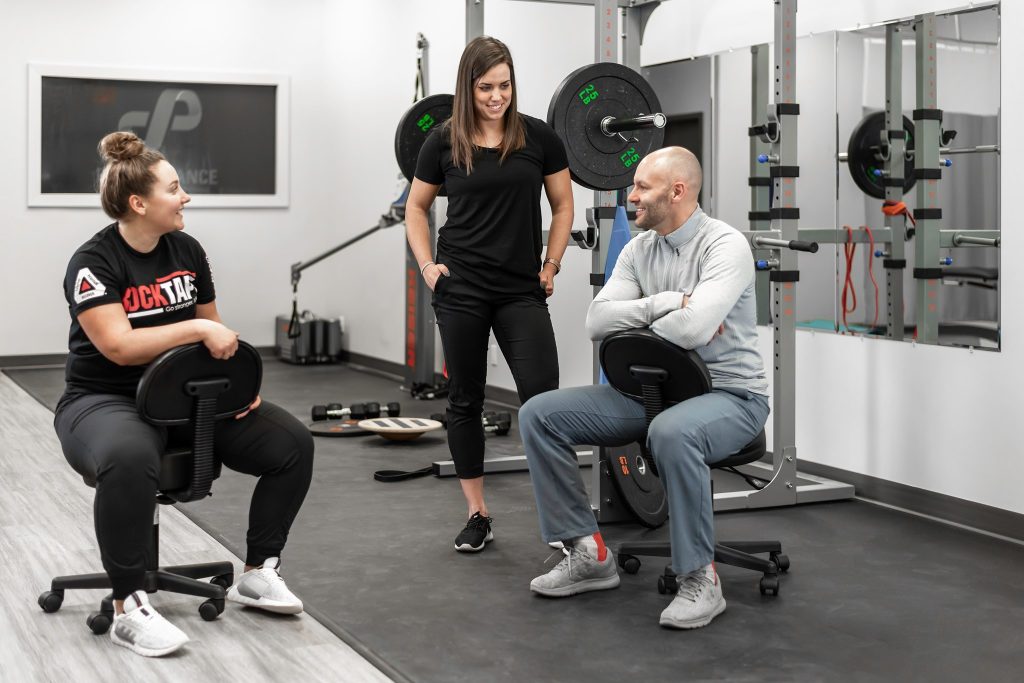
Some people notice reduced stiffness or improved confidence within a few sessions, while others require several weeks of consistent therapy. Progress depends on symptom severity, overall health, and adherence to prescribed exercises.
A physician referral is not always required to start care, but a confirmed Parkinson’s diagnosis and medical history help ensure treatment aligns with your broader health plan and medications.
This type of care can be adapted for early, mid, or later stages, with goals shifting from performance and prevention to safety, comfort, and maintaining function as needs change.
Many people wonder about time commitment, costs, and whether therapy is worth it alongside medication. Sessions are typically scheduled weekly or biweekly at first, with frequency adjusted based on response and goals. Costs reflect the clinician’s time and expertise rather than a fixed package, and care is often used alongside medical treatment, not as a replacement. Expect active participation, clear communication, and gradual progress rather than quick fixes, with the aim of reducing pain and supporting safer, more confident movement.