

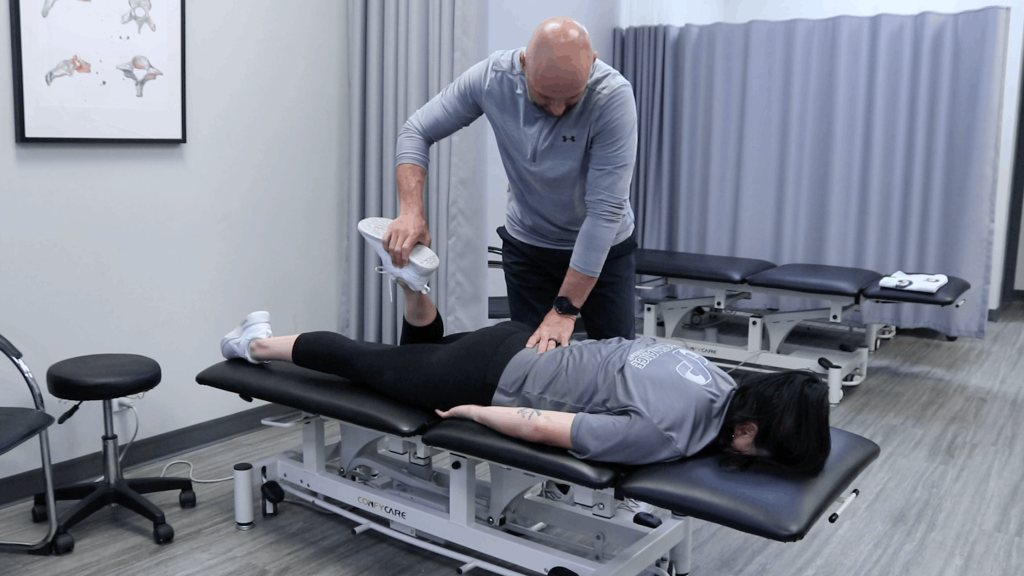
Care begins with a detailed assessment of your symptoms, activity demands, foot mechanics, and contributing factors. Treatment commonly includes education on load management, progressive strengthening of the foot and lower limb, manual therapy when appropriate, and mobility work for the ankle and calf. Exercise progressions are guided by tissue response, using pain and function as benchmarks, and may be supported by taping or temporary orthotic strategies when clinically indicated.
Plantar fascia pain is more than a sore spot under the foot; it reflects how tissues respond to repeated load over time. When stress exceeds the tissue’s ability to recover, small areas of degeneration and sensitivity develop near the heel attachment, leading to stiffness, sharp pain, and reduced tolerance for standing or walking.
Sudden increases in walking, running, standing at work, or changes in training volume commonly strain the plantar fascia. Occupations requiring long hours on hard floors and recreational running without gradual progression often contribute to repeated overload that the tissue cannot adapt to quickly.
Limited ankle dorsiflexion, tight calf muscles, or altered foot mechanics can increase tension through the plantar fascia with each step. Over time, this extra pull concentrates stress near the heel, making symptoms more persistent if the underlying movement issues are not addressed.
Unsupportive or worn footwear, minimal cushioning, or frequent walking on hard surfaces can amplify impact forces through the foot. These external factors may aggravate symptoms even when activity levels stay the same.
Without appropriate care, plantar fascia pain can become chronic, limit mobility, and alter walking patterns. Compensation may lead to secondary problems in the ankle, knee, hip, or lower back, increasing the overall impact on daily function.
Working with a qualified physiotherapist focuses on reducing pain while rebuilding the tissue’s capacity to handle load. Benefits often include decreased morning stiffness, improved walking tolerance, better foot and ankle strength, and a clearer understanding of how to manage activity safely. Addressing contributing factors helps reduce flare-ups and supports a return to valued activities with more confidence.
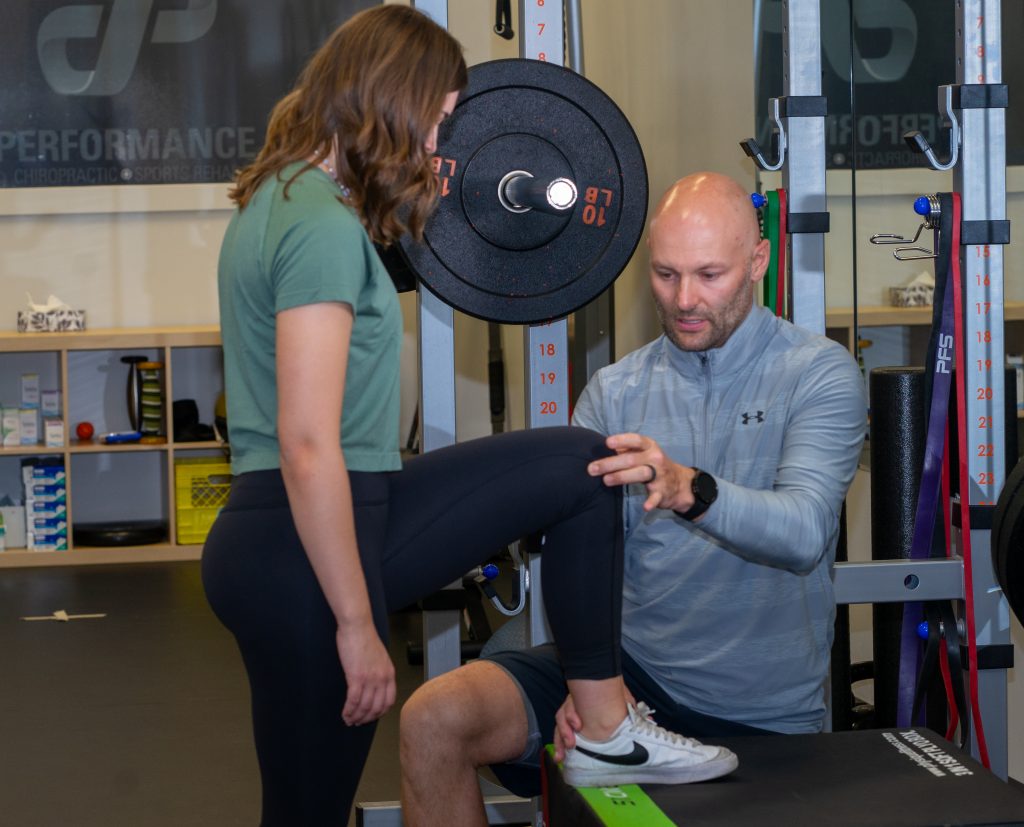
People often ask about costs, appointment frequency, and whether exercises can be done at home. Treatment plans are tailored to your needs, with clear explanations of visit spacing and home exercises designed to fit real schedules. If heel pain is limiting your movement or affecting your quality of life, professional guidance can help you move forward with a plan grounded in clinical reasoning and practical care.