

Recovering after spine surgery can be painful, confusing, and slow without the right guidance; this Edmonton-based care is designed for people dealing with post-surgical pain who want to move safely, rebuild strength, and regain confidence in daily life, with a structured approach that respects surgical precautions and supports steady progress—book an assessment to see if it’s the right fit.
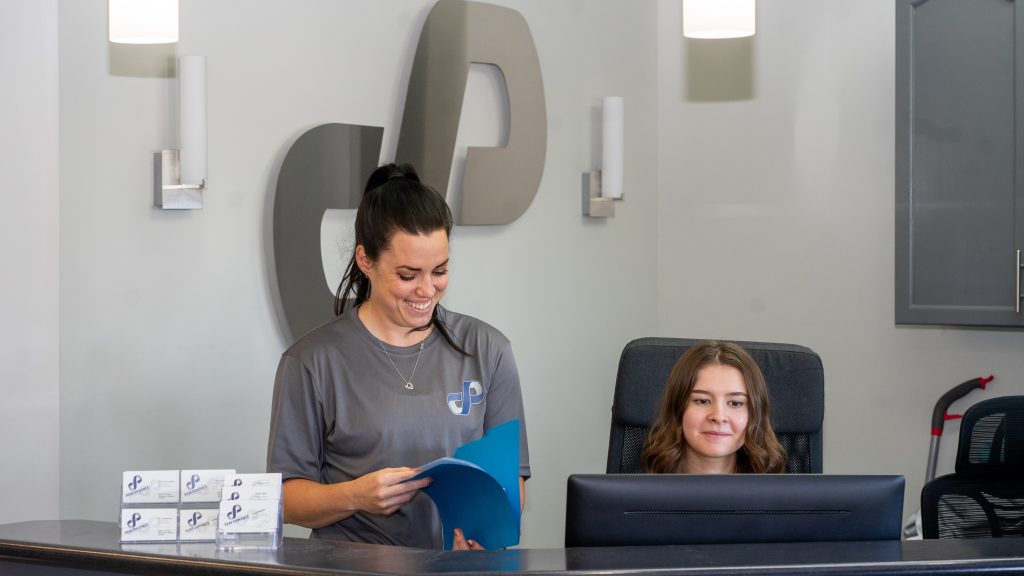
Care begins with a detailed assessment that reviews surgical reports, imaging summaries when available, current pain levels, and movement tolerance, followed by a phased plan that aligns with the surgeon’s protocol; treatment commonly includes education on safe movement, gentle manual techniques away from the fusion site when appropriate, progressive exercise therapy to restore strength and endurance, and regular reassessment using functional measures to guide progression.
Rehabilitation after a fusion is different from general back pain care because the surgery permanently changes how segments of the spine move and load, making generic exercises or rushed timelines risky and often painful.
After fusion, surrounding joints and soft tissues often become stiff or overworked, leading to ongoing pain that does not settle with rest alone; without guided movement, protective muscle guarding can prolong discomfort and limit function.
Fused segments no longer move, so nearby vertebrae absorb more stress; improper exercises or early return to activity can accelerate adjacent segment irritation, increasing pain and the chance of future problems.
Bed rest, activity restrictions, and pain can quickly reduce core and hip strength, affecting balance and posture; this weakness can make everyday tasks painful and increase fear of movement.
Doing too much too soon or too little for too long can both slow recovery; without clear milestones and feedback, patients may unknowingly interfere with tissue healing and bone fusion.
With a qualified provider, people typically experience more predictable pain reduction, improved mobility within safe limits, better core control, and greater confidence returning to work, hobbies, and daily activities, while respecting surgical timelines and precautions.
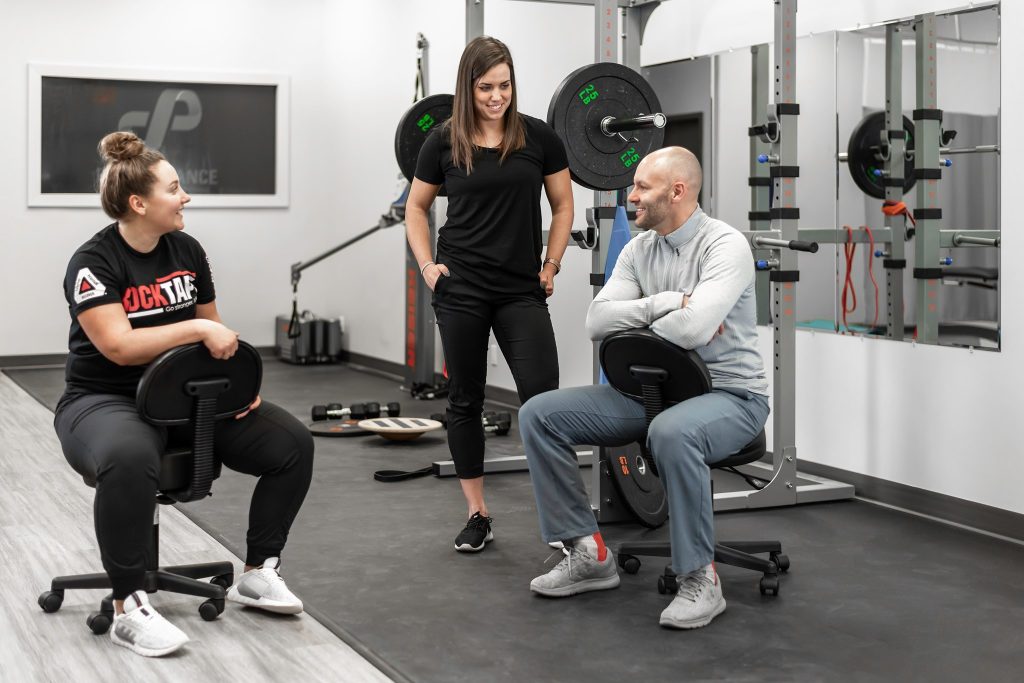
Timing depends on the type of fusion and surgeon guidance, but care often begins with education and gentle movement in the early weeks, progressing to strengthening as healing allows.
The goal is to reduce pain, not push through it; exercises and techniques are selected to stay within tolerable limits while gradually improving capacity.
A physician referral is not usually required to start, but surgical notes and post-operative instructions are helpful to ensure the plan aligns with medical guidance.
People often ask about cost, duration, and outcomes; recovery timelines vary based on surgery type, overall health, and consistency with care, costs reflect assessment time and progression rather than a fixed package, and while no outcome is guaranteed, structured rehabilitation significantly improves the chance of a safer, more confident return to daily activities.