

Persistent dizziness, spinning sensations, nausea, or balance loss can be frightening and painful, especially when they interfere with daily life in Edmonton. This service focuses on identifying and treating the physical causes of vertigo using targeted physiotherapy techniques that address the inner ear, neck, and nervous system. By restoring normal movement and balance signals, treatment aims to reduce symptoms at their source rather than masking them, helping you feel steadier, safer, and more confident as you return to everyday activities. Book an assessment to understand what is driving your symptoms and what can be done.
Dizziness is not a single condition but a symptom with multiple potential drivers, many of which respond well to skilled physical therapy. When vertigo is not properly assessed, people may avoid movement, develop neck pain, or experience falls, which can worsen both physical discomfort and anxiety. Understanding the underlying mechanisms is the first step toward meaningful and lasting relief.
One of the most frequent causes is a dysfunction within the vestibular system of the inner ear, such as benign paroxysmal positional vertigo. Tiny calcium crystals can shift into sensitive canals, sending incorrect signals to the brain about head position. This mismatch often triggers sudden spinning sensations, nausea, and unsteadiness, particularly with changes in posture.
The joints and muscles of the cervical spine play a key role in balance by providing position feedback to the brain. Injury, prolonged poor posture, or muscle guarding can disrupt this input, leading to cervicogenic dizziness that is often accompanied by neck pain or headaches. Without addressing these mechanical factors, symptoms may persist or recur.
After an illness, concussion, or vestibular event, the brain may struggle to recalibrate balance signals. When compensation is incomplete, people can feel disoriented in busy environments or when moving their head quickly. Avoiding movement can slow recovery, increasing the risk of chronic dizziness and reduced quality of life.
Ongoing balance problems increase the likelihood of falls, especially in older adults, and can lead to fear-driven avoidance of walking, driving, or exercise. This deconditioning often worsens pain, stiffness, and overall health, making early, targeted intervention particularly important.
Working with a qualified provider offers concrete benefits, including reduced frequency and intensity of dizziness, improved balance and coordination, and greater confidence with daily movements. Treatment is designed to address the specific cause of your symptoms, which can shorten recovery time and reduce reliance on medication. Many people also notice secondary gains such as decreased neck pain, better posture, and a renewed ability to participate in work, family, and recreational activities without fear.

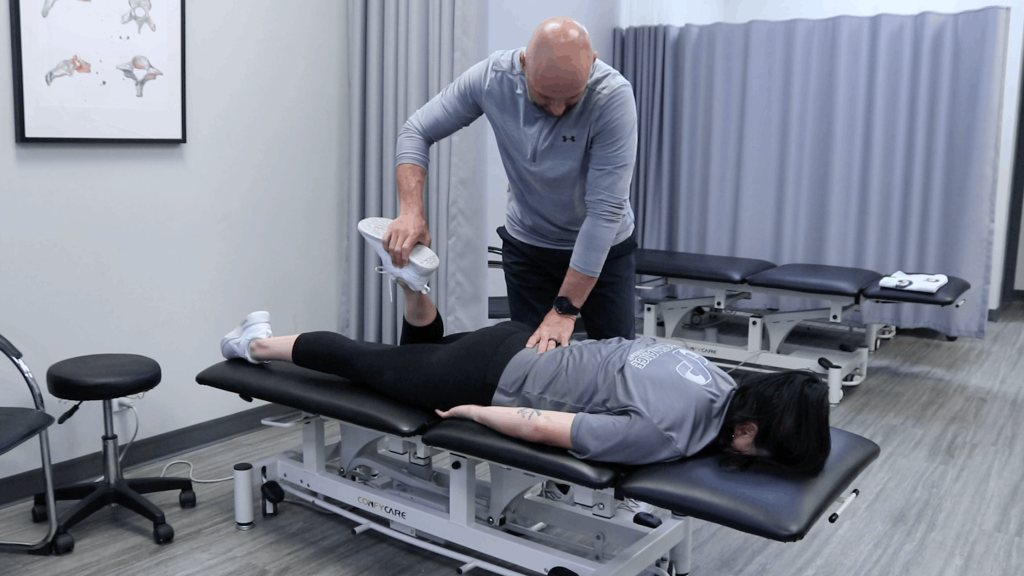
Care begins with a detailed assessment that examines symptom history, movement patterns, eye and head coordination, neck mobility, and balance responses. Based on findings, treatment may include precise repositioning manoeuvres for inner ear conditions, graded vestibular exercises to retrain the brain, manual therapy for the cervical spine, and progressive balance training. Education is integrated throughout, explaining why specific movements are used and how to manage symptoms safely at home, following evidence-informed physiotherapy standards.
Timelines vary depending on the cause and how long symptoms have been present. Some inner ear conditions respond within one or two sessions, while others involving nervous system adaptation or neck dysfunction may require several weeks of guided exercise and reassessment.
Yes, assessment and treatment are designed to be safe and controlled. Exercises are introduced at tolerable levels and progressed gradually, with close monitoring of symptoms to avoid unnecessary flare-ups.
In many cases, a referral is not required to begin care. If assessment findings suggest a need for medical imaging or further investigation, this will be discussed and coordinated appropriately.
Many people wonder about cost, discomfort during sessions, or whether symptoms must be severe to seek help. Fees are typically based on assessment time and treatment complexity, and while some exercises may briefly provoke symptoms, this is part of the retraining process and is carefully managed. Early care often leads to faster, more complete recovery, making professional guidance a sensible choice when dizziness or balance issues begin to interfere with your life.