

Artistic cycling demands extreme balance, spinal control, hip mobility, and precise force transfer on a single wheel, and when pain interferes, performance drops quickly. At Performance Chiropractor + Physiotherapy in Edmonton, we help artistic cyclists recover from overuse injuries, acute falls, and chronic biomechanical strain through targeted assessment and sport-specific rehabilitation. Whether you are managing persistent low back pain, hip impingement, wrist strain, or post-fall injuries, our integrated approach focuses on restoring strength, control, and confidence so you can return to training safely. If pain is limiting your riding, we are here to guide your recovery with a clear plan built around your sport.
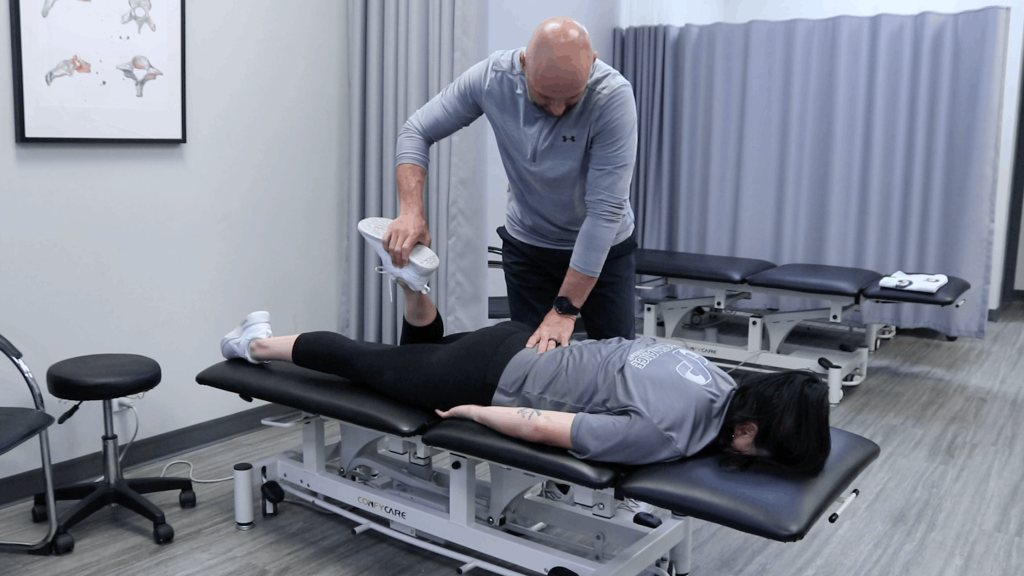
Your care begins with a detailed assessment of injury history, training volume, bike setup, joint mobility, strength, and movement control. We analyze how forces move through your spine, hips, and upper extremities during cycling-specific tasks. Treatment may include manual therapy to restore joint mobility, soft tissue techniques to reduce pain and improve tissue quality, and individualized exercise therapy targeting deficits identified in testing. We apply evidence-informed rehabilitation principles such as progressive overload, motor control retraining, and return-to-sport criteria to guide safe advancement. As symptoms improve, drills become increasingly sport-specific to ensure your body tolerates competition intensity before full return.
Artistic cycling places unique mechanical demands on the body. Sustained trunk flexion, asymmetrical loading, repetitive mounting and dismounting, and high-tension isometric holds create predictable stress patterns. Without proper load management and conditioning, these stresses accumulate and lead to pain syndromes that can sideline even experienced athletes.
Many routines require prolonged lumbar flexion and rotation while stabilizing on a narrow base of support. Over time, repeated end-range loading can irritate facet joints, strain paraspinal muscles, and increase compressive forces on lumbar discs. If core endurance and hip mobility are insufficient, the lower back compensates, amplifying tissue stress. Targeted rehab addresses segmental control, hip dissociation, and graded exposure to extension and rotation so the spine tolerates performance demands.
Artistic cyclists often train deep hip flexion, internal rotation, and adduction during skills and transitions. When the femoral head repeatedly contacts the acetabular rim under load, athletes may develop anterior hip pain consistent with impingement patterns. Adductor overload from gripping and stabilization can also trigger groin strains. Recovery focuses on optimizing hip joint mechanics, improving gluteal strength, and rebalancing adductor load capacity.
Falls onto an outstretched hand transmit force through the wrist, elbow, and shoulder. This mechanism can result in ligament sprains, rotator cuff irritation, or joint instability if not properly rehabilitated. Even minor sprains can alter weight-bearing tolerance on the handlebars, affecting technique. Progressive loading, proprioceptive retraining, and mobility restoration are key to preventing chronic instability.
Because artistic cycling blends strength, endurance, and skill work, athletes may increase volume rapidly before competitions. Inadequate recovery time impairs tissue adaptation and increases the likelihood of tendinopathy in the knees or hips. Structured load monitoring and periodized rehab help align tissue capacity with training demands.
Working with a qualified provider means your rehabilitation mirrors the mechanical realities of your sport. Instead of generic exercises, your program integrates balance challenges, single-leg control, trunk stiffness training, and graded skill simulation. This approach reduces pain, restores joint range, and builds strength in the exact positions required for riding. Athletes typically notice improved stability on the bike, more efficient force transfer, and greater confidence during technical elements because movement patterns are retrained, not just symptoms managed.
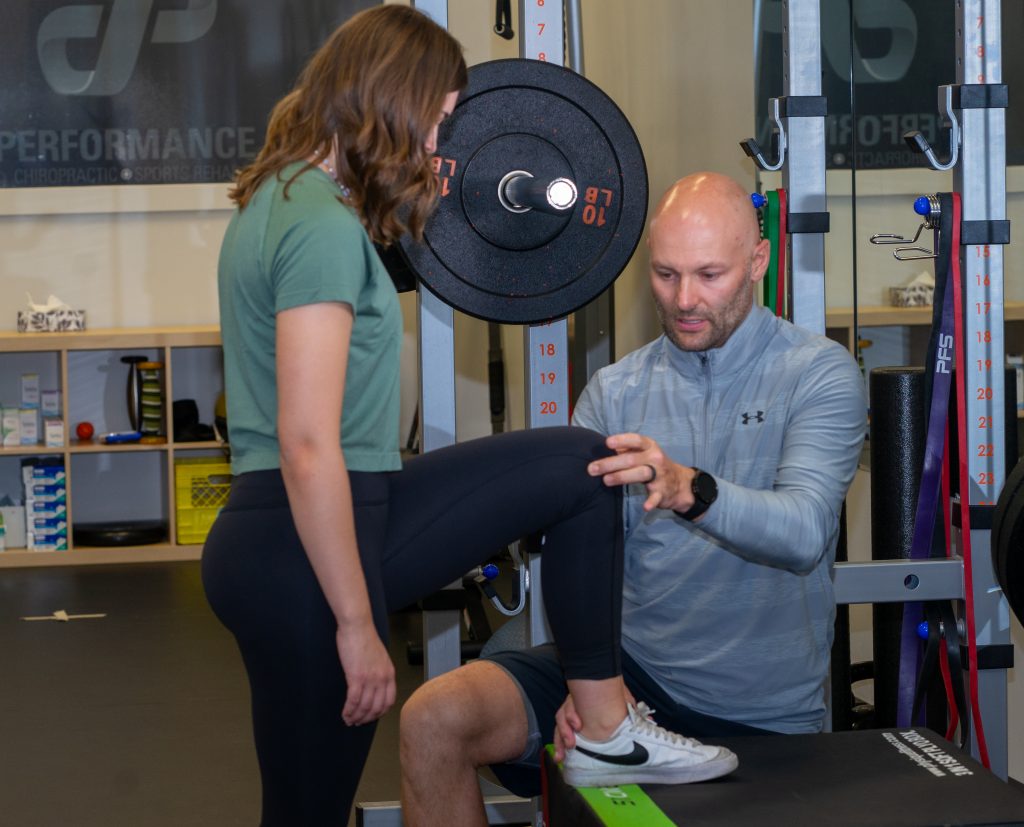
Timelines depend on injury severity, tissue involved, and how early treatment begins. Mild overuse conditions may improve within a few weeks with consistent rehab, while more complex hip or spinal issues can require several months of progressive strengthening and load modification. We outline expected phases so you understand what milestones to anticipate.
In most cases, complete rest is not required. We modify volume, intensity, and specific skills to reduce aggravating loads while maintaining conditioning. This protects fitness and coordination while injured tissues recover, and it reduces the risk of deconditioning.
Imaging is not always necessary. A thorough clinical assessment often identifies the primary drivers of pain. If red flags or suspected structural damage are present, we coordinate appropriate imaging or medical referral. Our goal is to use imaging judiciously and focus on functional recovery.
You can expect a collaborative plan centred on your goals, competition schedule, and current pain levels. We explain findings clearly, outline realistic timelines, and adjust treatment as your body adapts. Costs vary based on assessment needs and session frequency, and we discuss these upfront. Most importantly, you will have a structured pathway back to confident riding rather than guessing your way through pain.