

Barefoot waterskiing places extreme load on the spine, shoulders, hips, and hamstrings, and when something goes wrong the impact with water at high speed can feel like concrete. At Performance Chiropractor + Physiotherapy in Edmonton, we provide focused assessment and rehabilitation for athletes dealing with acute crashes, overuse pain, and return-to-sport challenges specific to barefoot skiing. Our goal is not just pain relief, but restoring power, balance, and confidence so you can train and compete safely—book an assessment to start a structured recovery plan.
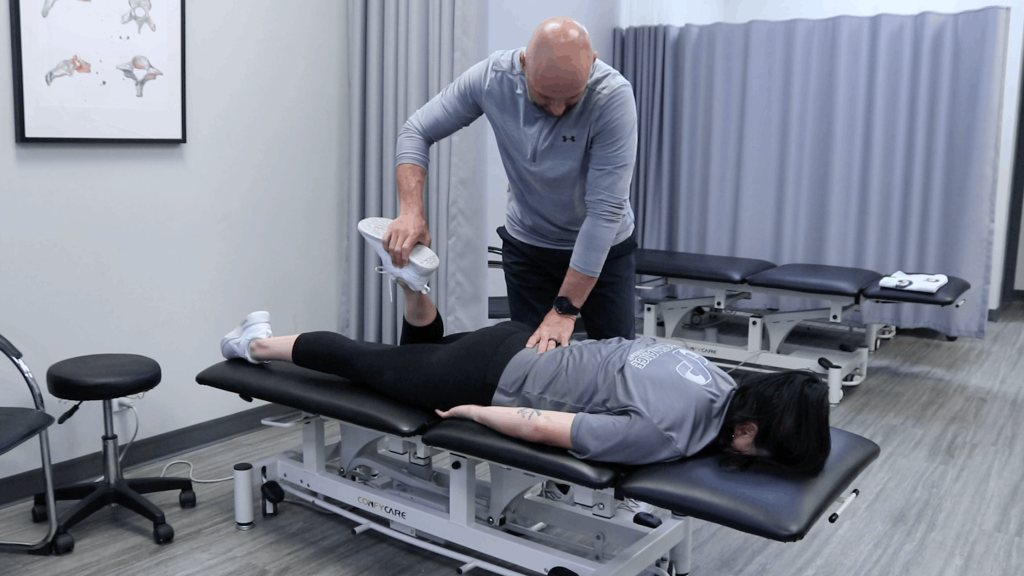
Care begins with a detailed history of your crash mechanism or training load, followed by orthopaedic and neurological testing, movement analysis, and strength assessment relevant to barefoot mechanics. We use a combination of joint mobilization or manipulation when indicated, soft tissue techniques, progressive loading, and sport-specific conditioning. Rehabilitation emphasizes core stability, posterior chain strength, scapular control, and balance retraining using graded exposure principles. We collaborate with you on clear milestones for return to practice and competition, adjusting the plan based on tissue healing timelines and performance goals.
This discipline combines high towing speeds, rapid acceleration, and unstable foot contact on water, creating unique mechanical stresses. Falls often involve sudden deceleration and torsional forces through the spine and shoulders, while repetitive deep-water starts strain the posterior chain. Without sport-specific rehab, athletes risk lingering pain, compensation patterns, and recurrent injury that limit performance on the water.
At barefoot speeds, a forward or backward fall produces abrupt flexion or extension forces through the lumbar spine. This can irritate facet joints, strain paraspinal muscles, or aggravate disc structures due to rapid compression and shear. Athletes may experience localized low back pain, stiffness, or radiating symptoms if nerve roots are sensitized. Proper assessment distinguishes between muscular strain and more significant spinal involvement, guiding safe loading progressions.
Deep-water starts require powerful hip flexion and hamstring engagement while the athlete is pulled from a seated position. The rapid eccentric-to-concentric transition places high tensile load on the hamstrings and stress across the anterior hip. Inadequate glute activation or core stability increases strain on these tissues, leading to pulls, tendinopathy, or persistent tightness that limits stride length and stability on the water.
The upper body must counter strong traction from the rope, especially during turns and tricks. This can overload the rotator cuff, biceps tendon, and medial elbow structures. Repetitive microtrauma may result in tendinopathy, impingement-like symptoms, or reduced overhead strength. Addressing scapular control and force transfer through the kinetic chain is essential to prevent chronic shoulder dysfunction.
Even minor injuries can disrupt proprioception and neuromuscular timing. Because barefoot skiing relies on precise balance and rapid adjustments, altered joint position sense increases fall risk. Without retraining these systems, athletes may return to sport with hesitation, asymmetry, and higher likelihood of reinjury.
Working with a provider who understands the mechanics of barefoot skiing means your rehab is built around acceleration forces, rope tension, and on-water balance demands. You can expect reduced pain through evidence-informed manual therapy, improved joint mobility where restricted, progressive strength tailored to starts and turns, and structured return-to-sport planning. The result is more efficient force transfer from core to limbs, better shock absorption during falls, and restored confidence when training at speed.
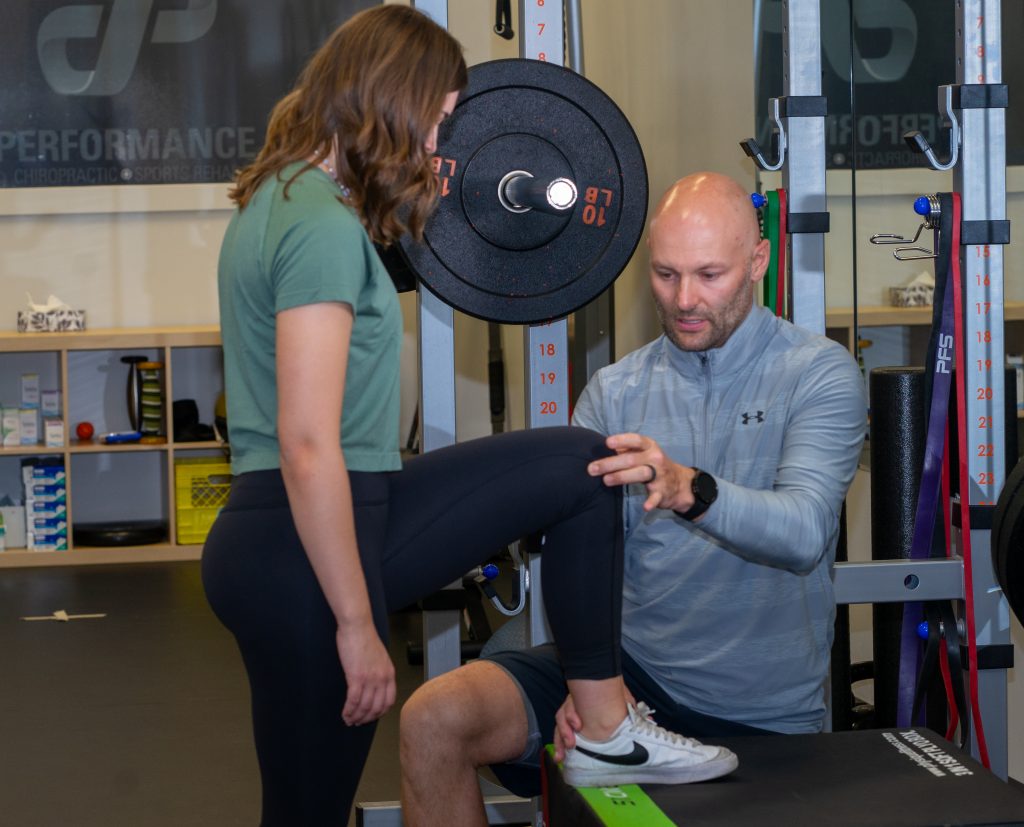
Timelines depend on the tissue involved and severity. Mild muscle strains may improve within a few weeks with guided loading, while significant spinal or tendon injuries can require several months of progressive rehabilitation. Early assessment helps identify red flags and set realistic, sport-specific milestones.
Not always. Many soft tissue and joint injuries can be assessed clinically. If your symptoms suggest fracture, significant disc involvement, or persistent neurological signs, we will coordinate appropriate imaging through your physician. Imaging is used to clarify diagnosis, not as a default step.
In many cases, modified training is possible and beneficial. We outline what movements and intensities are safe based on tissue tolerance, helping you maintain conditioning without aggravating the injury. Clear load management reduces deconditioning and supports a smoother return to full barefoot performance.
Athletes often ask about cost, frequency of visits, and whether chiropractic care alone is enough. Fees vary based on assessment length and treatment complexity, and visit frequency decreases as you gain control and strength. Care typically integrates manual therapy with active rehabilitation because lasting results depend on restoring capacity, not just reducing symptoms. If you are dealing with persistent pain, recurrent falls, or difficulty returning to pre-injury performance in Edmonton, a focused evaluation can clarify your next best step.