

Cricket Injury Treatment in Edmonton at Performance Chiropractor + Physiotherapy is designed for competitive and recreational athletes who need expert help with pain, mobility restrictions, and structured rehabilitation. Whether you are a fast bowler with a sore shoulder, a batter with a strained hamstring, or a wicketkeeper dealing with persistent low back pain, we focus on diagnosing the true source of the problem and guiding you safely back to full performance. Our approach combines sport-specific assessment, hands-on care, and progressive rehab so you can return to training and matches with confidence—book an assessment in Edmonton to start your recovery plan.
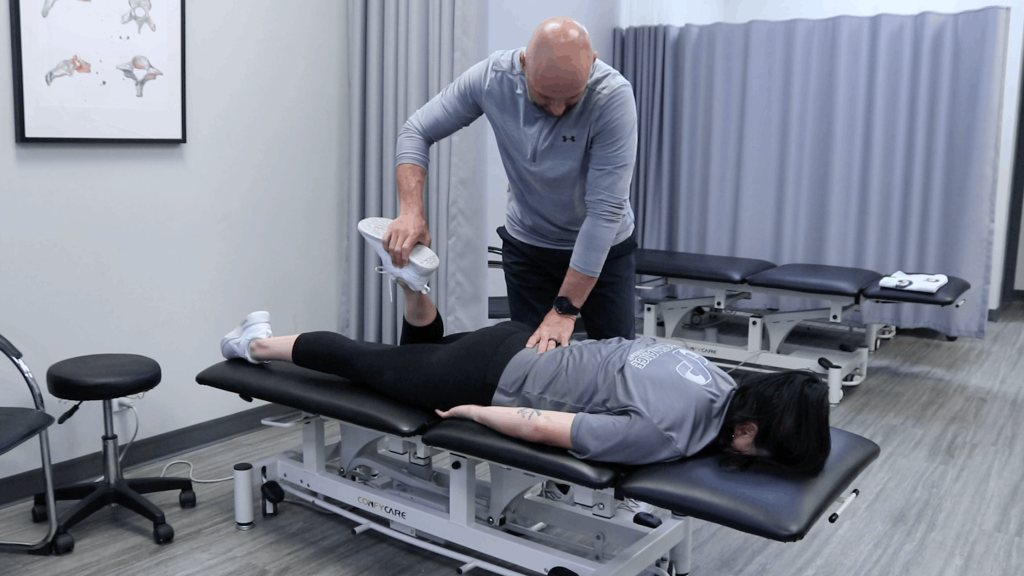
Your care begins with a detailed assessment including injury history, workload review, movement screening, and sport-specific testing such as shoulder strength ratios, single-leg power, and lumbar control under rotational load. We may use manual therapy to reduce pain and improve mobility, combined with targeted therapeutic exercise to restore strength and control. Treatment plans often include eccentric loading for tendon injuries, progressive core stabilization for lumbar stress, sprint retraining for hamstring strains, and graduated return-to-bowling protocols. Throughout rehab, we adjust intensity based on symptoms and objective measures, aligning with evidence-informed sports medicine principles and return-to-play criteria.
Cricket places unique, repetitive stresses on the body. The combination of high-velocity bowling, explosive sprinting between wickets, rotational batting mechanics, and prolonged fielding can overload joints and soft tissues when strength, mobility, or workload management are not optimal. Understanding how these injuries develop is essential to resolving pain and preventing recurrence.
Fast and medium-pace bowling involves rapid shoulder external rotation followed by forceful internal rotation and trunk side flexion. Without adequate rotator cuff strength, thoracic mobility, and scapular control, this can lead to rotator cuff tendinopathy, labral irritation, or impingement-related pain. Over time, microtrauma accumulates, reducing throwing velocity and increasing the risk of more serious shoulder injury.
The combination of lumbar extension, rotation, and ground reaction forces during delivery places significant stress on the lower back. In younger athletes especially, this can contribute to stress reactions or stress fractures in the pars interarticularis. Persistent stiffness, one-sided back pain, or pain that worsens with bowling are warning signs that require early assessment to avoid long-term setbacks.
Quick acceleration between wickets and lateral movements in the field demand high eccentric strength from the hamstrings and adductors. If muscle capacity does not match match intensity or training load, strains can occur. Incomplete rehab often leads to reinjury, particularly when athletes return before restoring full strength and sprint mechanics.
Repetitive impact from batting and forceful throwing can irritate the wrist flexor and extensor tendons, while poor load management may contribute to medial elbow pain similar to throwing-related tendinopathy. These issues can reduce grip strength, bat control, and throwing accuracy, affecting performance even if pain seems mild.
Working with a qualified provider means your rehabilitation is guided by a clear diagnosis, objective strength and mobility testing, and a progressive loading plan tailored to your role in cricket. You can expect reduced pain, restored joint range of motion, improved muscle balance, and sport-specific conditioning that mirrors bowling workloads, sprint demands, and batting mechanics. By addressing root causes such as asymmetry, poor lumbopelvic control, or inadequate rotator cuff endurance, we help lower the likelihood of recurrence and support a safe, criteria-based return to training and competition.
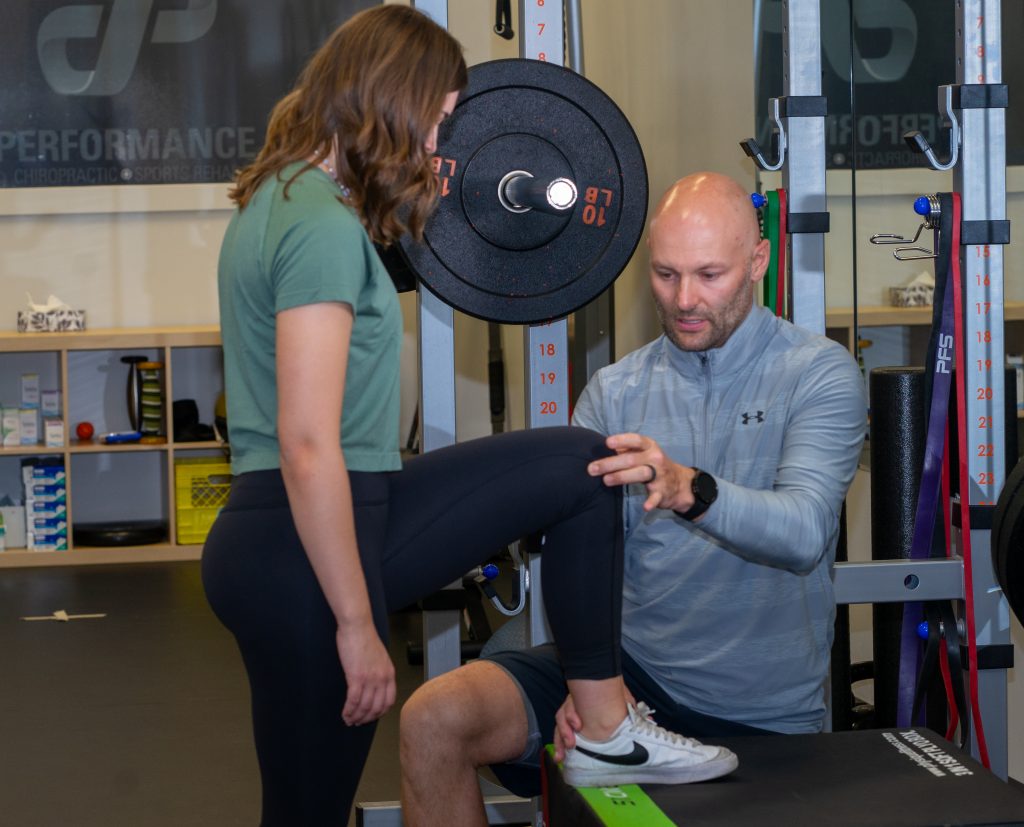
Timelines depend on the specific injury, its severity, and how early treatment begins. Mild muscle strains may improve within a few weeks with structured rehab, while stress-related bone injuries or significant tendon problems can require several months of progressive loading. We outline expected phases and milestones so you understand what to expect at each stage.
Not always. Many soft tissue injuries can be assessed clinically through a thorough physical examination. If your presentation suggests a stress fracture, significant structural damage, or if symptoms are not progressing as expected, we may recommend imaging through your physician to clarify the diagnosis.
In most cases, yes—with modifications. Rather than complete rest, we typically adjust volume, intensity, or specific skills to maintain conditioning while protecting healing tissue. This approach helps preserve fitness and reduces the performance drop that can occur with prolonged inactivity.
Athletes often ask about cost, session frequency, and whether care is covered by extended health benefits. Treatment plans are individualized based on injury complexity and performance goals, and we discuss visit frequency and home exercise expectations at your first appointment. You should wear athletic clothing for assessment and be prepared to review your recent training loads. Our focus is transparent communication, measurable progress, and helping you return to cricket in Edmonton stronger and more resilient than before.