

Downhill Biking Injury Rehab in Edmonton is designed for riders who push hard on technical descents and now need precise, sport-specific care to get back on the bike. At Performance Chiropractor + Physiotherapy, we help Edmonton athletes recover from crashes, overuse strain, and stubborn pain through targeted assessment, hands-on treatment, and progressive rehab that reflects the real demands of downhill riding. If pain is limiting your training, confidence, or race schedule, our team can guide you safely from acute recovery to full return to ride.

Care begins with a detailed history of your crash or training load, followed by a physical assessment of joint mobility, muscle strength, balance, and movement patterns specific to riding posture and braking mechanics. When appropriate, we coordinate with imaging reports and apply evidence-informed approaches such as manual therapy, joint mobilization, soft tissue techniques, and progressive therapeutic exercise. Rehab progresses from pain control and mobility restoration to strength, plyometrics, and sport-specific drills that simulate terrain demands. We also address bike fit considerations and load management principles so your return to downhill riding is staged, objective, and aligned with best practices in musculoskeletal rehabilitation.
Downhill mountain biking places unique loads on the body: repeated high-speed impacts, sustained isometric braking through the forearms, aggressive hip hinge positioning, and unpredictable terrain. When these forces exceed tissue capacity or follow a crash, specific injury patterns emerge. Without structured rehab that restores mobility, strength, neuromuscular control, and impact tolerance, athletes often develop chronic pain, compensation patterns, and repeat injuries that derail entire seasons.
High-velocity descents increase the risk of over-the-bars falls, awkward landings, and rotational forces through the spine and shoulders. Common presentations include AC joint sprains, collarbone fractures, wrist sprains, thumb ligament injuries, and lumbar facet irritation. Even when imaging rules out major structural damage, soft tissue trauma and joint irritation can persist. If these are not progressively reloaded and retrained, protective muscle guarding and altered movement patterns can maintain pain long after tissues have healed.
The downhill stance demands sustained hip flexion, trunk bracing, and heavy braking through the forearms. This can contribute to low back pain from prolonged flexion and vibration exposure, patellofemoral pain from repetitive knee flexion under load, and forearm compartment tightness due to repeated gripping. When training volume increases or bike setup is suboptimal, cumulative microstrain can outpace recovery. Targeted rehab addresses both tissue tolerance and riding mechanics to prevent recurrence.
Shoulders and wrists absorb significant shock through handlebars, especially on technical rock gardens and drops. Repeated axial loading and sudden torsion can irritate the rotator cuff, labrum, or wrist ligaments. If early management focuses only on rest, athletes often return with reduced strength, impaired proprioception, and delayed reaction times. This combination increases the likelihood of another crash. Structured rehabilitation restores dynamic stability and reactive control required for unpredictable terrain.
Efficient downhill riding depends on coordinated hip hinge mechanics, lateral weight shifts, and trunk stiffness to manage impact forces. Weakness or poor timing in the glutes and deep core muscles shifts load to the lumbar spine and knees. Over time, this compensation can drive chronic low back or anterior knee pain. Rebuilding force transfer from hips through the trunk is essential to reduce stress on vulnerable joints and support confident, aggressive riding.
Working with a qualified chiropractor and physiotherapist who understand downhill demands means your rehab goes beyond symptom relief. The goal is measurable improvement in joint mobility, strength symmetry, braking endurance, landing control, and impact tolerance. Athletes typically see reduced pain with riding, improved line control due to better upper body stability, and increased confidence on technical sections. By addressing both the injured tissue and the movement patterns that contributed to it, rehab supports safer progression back to full training and competition in Edmonton’s varied terrain.
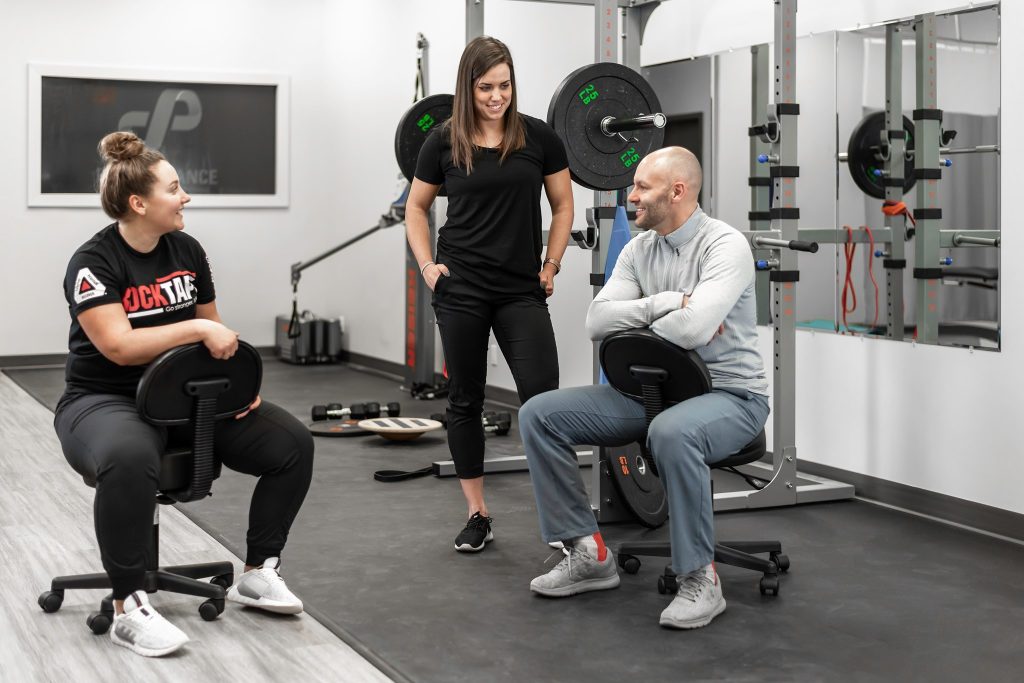
Recovery timelines vary based on injury severity, tissue involved, and how soon structured rehab begins. Mild sprains or overuse conditions may improve over several weeks with consistent treatment and exercise, while more significant ligament injuries or post-fracture rehab can take several months. We provide phased goals so you understand what to expect at each stage and when riding progression is appropriate.
Costs depend on the length and complexity of your rehabilitation plan. Many extended health benefit plans in Alberta cover chiropractic and physiotherapy services. We outline the proposed frequency of visits and home programming upfront so you can make an informed decision, and we focus on building independence rather than indefinite passive care.
Returning to jumps, drops, and race pace should be criteria-based rather than time-based. We use strength testing, functional movement assessment, and graded exposure to impact and speed to determine readiness. This reduces the risk of re-injury and helps restore confidence, which is often as important as physical healing after a crash.
If you are an Edmonton downhill rider dealing with pain, limited mobility, or repeated setbacks, early and sport-specific intervention can make a meaningful difference. Our integrated chiropractic and physiotherapy approach is built around the real biomechanics of downhill biking, not generic rehab templates. Book an assessment with Performance Chiropractor + Physiotherapy to understand the root cause of your injury and map out a clear path back to strong, confident riding.