

Precision matters in dressage, and even small physical limitations can disrupt timing, posture, and communication with your horse. At Performance Chiropractor + Physiotherapy in Edmonton, we provide focused rehabilitation for riders dealing with pain, stiffness, or performance plateaus related to training and competition. This service is designed for serious athletes who want clear answers, structured rehab, and a return to confident riding without masking symptoms. If you are struggling with back, hip, pelvic, or shoulder pain that affects your seat or aids, our team can help you move better and ride stronger.

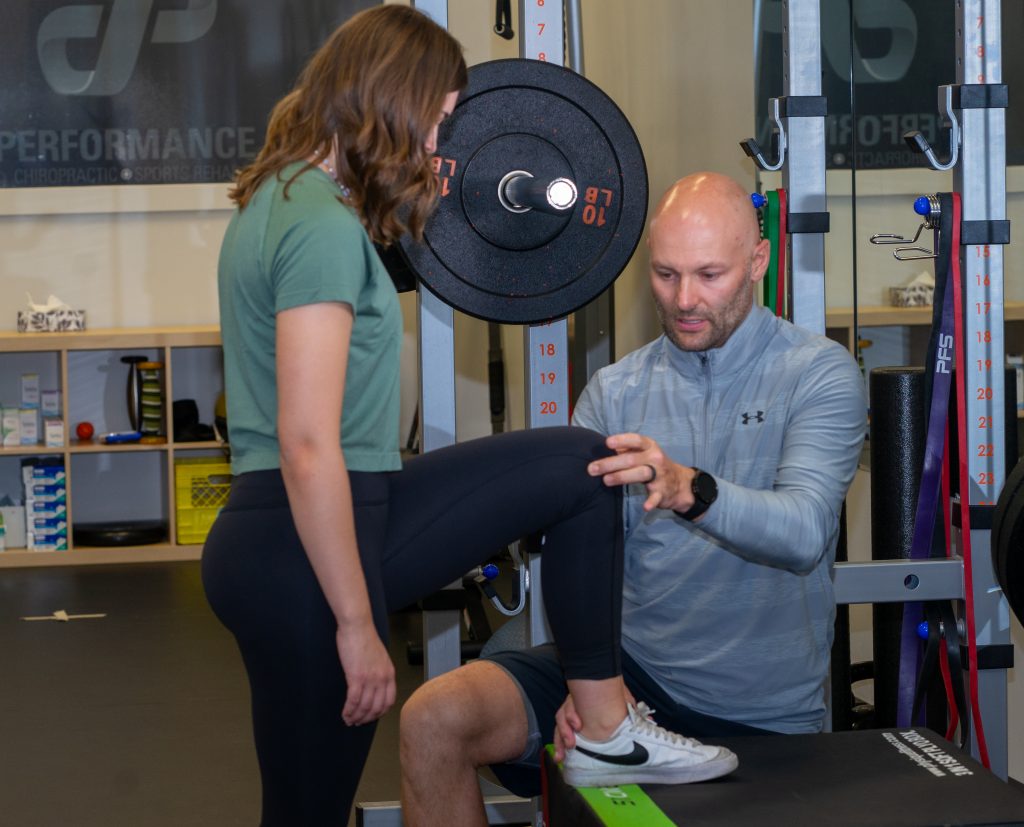
Care begins with a detailed assessment of riding history, training load, previous injuries, and movement patterns both on and off the horse. We evaluate spinal mobility, hip range of motion, core activation, balance, and single-leg control to identify the primary driver of symptoms rather than only the painful area. Treatment may include hands-on joint mobilization or manipulation, targeted soft tissue therapy, and corrective exercise focused on deep abdominal activation, gluteal strength, and thoracic mobility. We integrate progressive loading principles and sport-specific drills that simulate riding demands, ensuring transfer back to the saddle. When appropriate, we collaborate with coaches or review riding mechanics to align rehabilitation with technical goals.
Dressage places unique biomechanical demands on the rider. Sustained upright posture, controlled pelvic motion, and fine motor control through the core and hips require both mobility and stability. When one segment loses function, compensations develop quickly, increasing strain on the spine and extremities and reducing performance quality.
Prolonged sitting in a neutral yet dynamic position challenges the lumbar spine and sacroiliac joints. If hip extension or rotation is restricted, the lower back often absorbs excess motion during sitting trot or collected work. Over time, repetitive micro-loading can irritate facet joints, strain paraspinal muscles, or sensitize the sacroiliac ligaments, leading to stiffness, sharp pain with transitions, or difficulty maintaining symmetry in the saddle.
Effective leg aids depend on controlled hip abduction and adduction with stable pelvic alignment. Tight adductors, weak gluteal muscles, or limited internal rotation can create overload in the groin and anterior hip. Riders may notice pinching with mounting, discomfort during lateral movements, or reduced ability to maintain consistent contact, all of which can worsen without targeted mobility and strength work.
Maintaining steady, elastic contact requires scapular stability and thoracic mobility. When the mid-back is stiff or the deep neck flexors are weak, riders tend to elevate the shoulders and overuse the upper trapezius. This pattern contributes to headaches, neck pain, and inconsistent rein feel, limiting precision in half-halts and transitions.
Because many equestrian injuries begin as low-grade irritation rather than acute trauma, athletes often ride through discomfort. Persistent asymmetry can alter motor patterns and reduce proprioception, increasing the risk of more significant strains or chronic pain. Early, sport-specific assessment reduces the likelihood of prolonged downtime during peak training or competition season.
Working with a qualified chiropractor and physiotherapy team provides a structured path from pain to performance. By restoring joint mobility where restricted, improving motor control of the deep core and hips, and progressively loading tissues to build resilience, riders can expect reduced pain during and after rides, improved sitting tolerance, better leg independence, and more symmetrical contact. The outcome is not only symptom relief but clearer aids, more stable posture, and greater confidence in competition settings.
Timelines depend on severity, tissue irritability, and how long symptoms have been present. Mild overuse issues may improve within several weeks of consistent treatment and home exercises, while longer-standing or recurrent problems can require a phased program over a few months to restore strength and endurance specific to riding.
In most cases, yes, with modifications. We often adjust training intensity, duration, or specific movements to reduce aggravation while maintaining conditioning. Clear load management helps protect healing tissues without unnecessary time away from the barn.
This service is built around the biomechanics of dressage. Exercise selection, mobility work, and progression are chosen to improve seat stability, leg independence, and rein contact rather than generic fitness, ensuring that gains in the clinic translate directly to performance in the arena.
Expect a collaborative, athlete-centred plan that combines manual therapy, individualized exercise, and clear education about load management and recovery. We will outline realistic timeframes, explain cost considerations based on visit frequency and complexity, and provide a structured home program so you stay in control of your progress. If you are ready to address pain at its source and elevate your riding capacity, booking an assessment is the first step.