

Precision matters in figure skating, and so does your recovery. At Performance Chiropractor + Physiotherapy in Edmonton, we provide sport-specific rehabilitation for skaters dealing with ankle sprains, hip pain, low back strain, knee injuries, and overuse conditions that limit jumps, spins, and edge work. Our approach is built around the biomechanics of skating and the demands of training and competition, helping athletes reduce pain, restore power and control, and return to the ice with confidence. If pain is holding back your performance, our team is ready to help you move forward safely and efficiently.
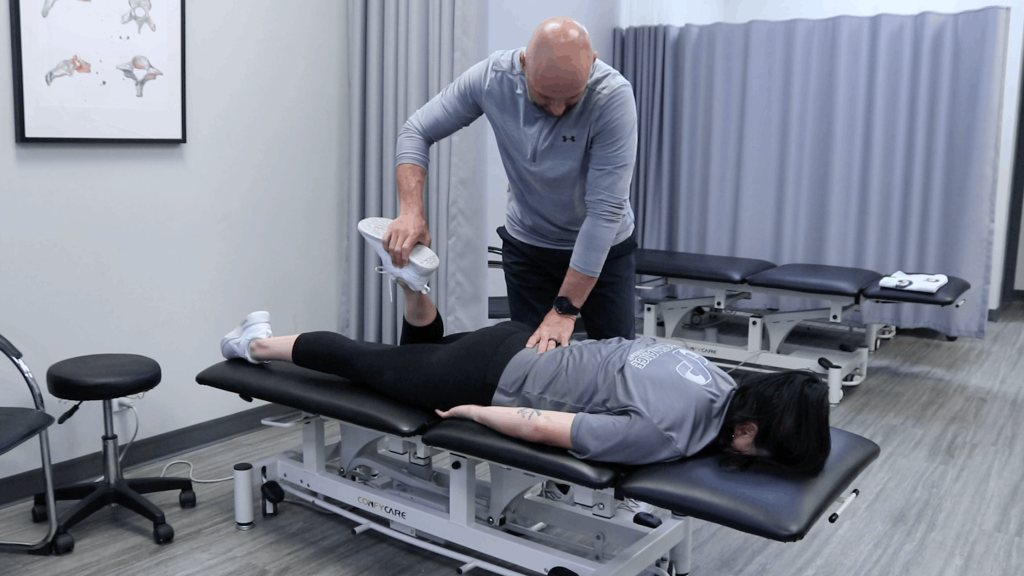
Care begins with a detailed assessment of skating history, training load, and movement patterns, including off-ice functional testing and, when appropriate, video analysis of jumps and landings. We evaluate joint mobility, strength imbalances, core stability, and force absorption mechanics to identify root causes. Treatment may include manual therapy to address joint or soft tissue restrictions, progressive strength and plyometric programming, proprioceptive and balance training, and sport-specific drills that mirror on-ice demands. We follow evidence-informed rehabilitation principles, gradually reintroducing impact and rotational loads while monitoring symptoms and performance markers to ensure a safe return to sport.
Figure skating places unique stresses on the body, combining repetitive impact, extreme ranges of motion, rotational forces, and single-leg landings. Without targeted rehabilitation, minor pain can progress into persistent dysfunction that limits performance and increases the risk of more serious injury.
Repeated jump take-offs and landings concentrate force through one leg, often at several times body weight. Inadequate ankle dorsiflexion, weak peroneal muscles, or poor landing mechanics can contribute to lateral ankle sprains, Achilles tendinopathy, and stress reactions in the foot. Stiff skating boots may also mask underlying instability, allowing compensations to develop until pain appears off the ice.
Spins, spirals, and deep edges demand high levels of hip external rotation, extension, and abduction strength. When gluteal muscles are underperforming or hip joint mobility is restricted, the adductors and hip flexors often become overloaded. This can lead to groin strains, snapping hip, or labral irritation, particularly during growth spurts or increased training volume.
Repetitive lumbar extension and rotation in jumps and layback positions place shear forces on the spine. Poor core control, limited thoracic mobility, or asymmetrical jump technique can increase stress on the facet joints and posterior elements of the spine. Over time, this may contribute to chronic low back pain or stress-related bone injuries if not properly managed.
Patellofemoral pain and patellar tendinopathy are common when landing mechanics are inefficient or when hip and ankle control is lacking. Dynamic knee valgus, rapid increases in training intensity, and inadequate recovery can all overload the extensor mechanism. Without correcting these contributing factors, symptoms often recur despite rest.
Working with a qualified rehabilitation team ensures that treatment goes beyond symptom relief. By restoring joint mobility, improving neuromuscular control, and retraining jump and landing mechanics, skaters can regain explosive power, sharper edge control, and better spin stability. Objective strength and functional testing guide progression back to full training, helping reduce the likelihood of re-injury and giving athletes measurable confidence as they return to competition.
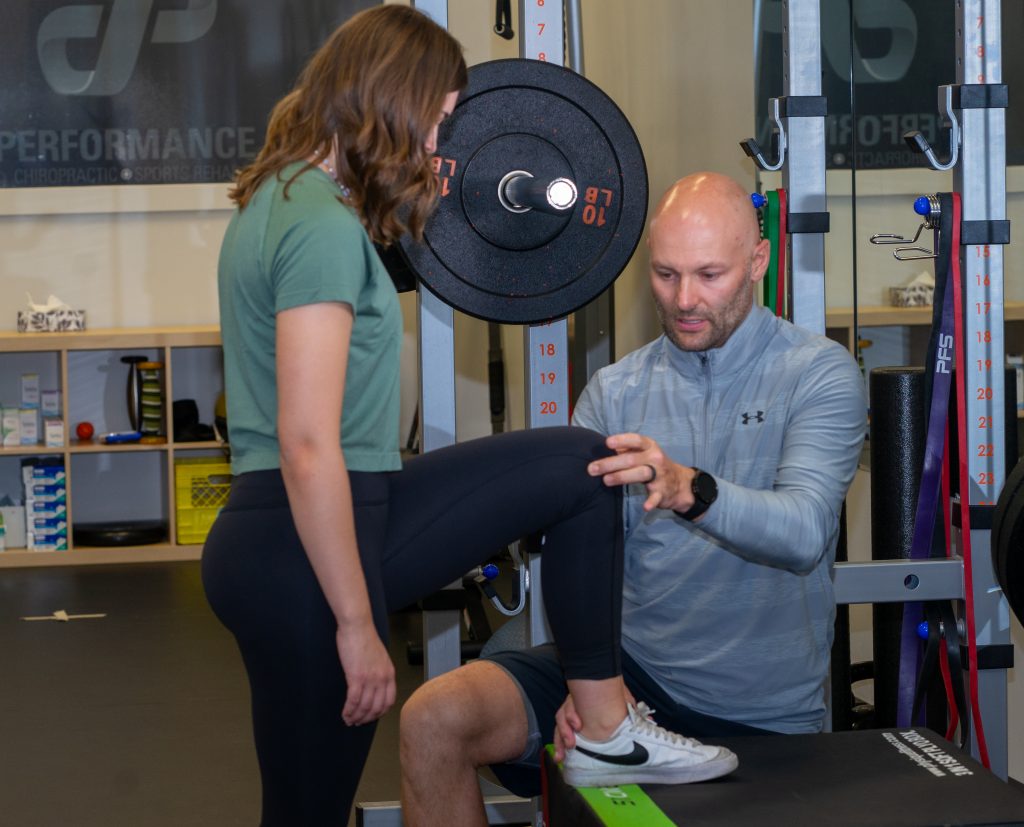
Recovery timelines depend on the specific diagnosis, severity, and how early treatment begins. Mild strains may improve within a few weeks, while tendon or bone stress injuries can require a longer, staged progression. We outline clear criteria for returning to jumps and full programs so you understand what benchmarks need to be met before increasing intensity.
Costs vary based on assessment findings and the number of sessions required. Many extended health benefit plans in Canada cover physiotherapy and chiropractic services; our team can provide documentation to support claims. We focus on efficient, goal-oriented care to minimize unnecessary visits while still addressing underlying causes.
In most cases, complete rest is not required. We modify training to protect the injured area while maintaining conditioning, flexibility, and technical skills where safe. Clear communication with coaches, when appropriate, helps align rehab progressions with practice demands.
If you are a skater in Edmonton dealing with persistent pain, recurring injuries, or difficulty returning to full training, sport-specific rehabilitation can make a measurable difference. At Performance Chiropractor + Physiotherapy, we combine clinical expertise with an understanding of the physical demands of figure skating to help you recover fully and perform at your best.