

Gravel riding pushes your endurance, bike handling, and resilience to the limit—and when pain shows up, it can derail your entire season. At Performance Chiropractor + Physiotherapy in Edmonton, we provide focused care for cyclists dealing with overuse injuries, crash-related pain, and stubborn performance plateaus. This service is designed for athletes who want more than temporary relief; we identify the mechanical and training factors driving your symptoms and build a clear plan to restore strength, efficiency, and confidence on mixed terrain. If pain is holding you back from long gravel days or race goals, our team can help you get back to riding with purpose.
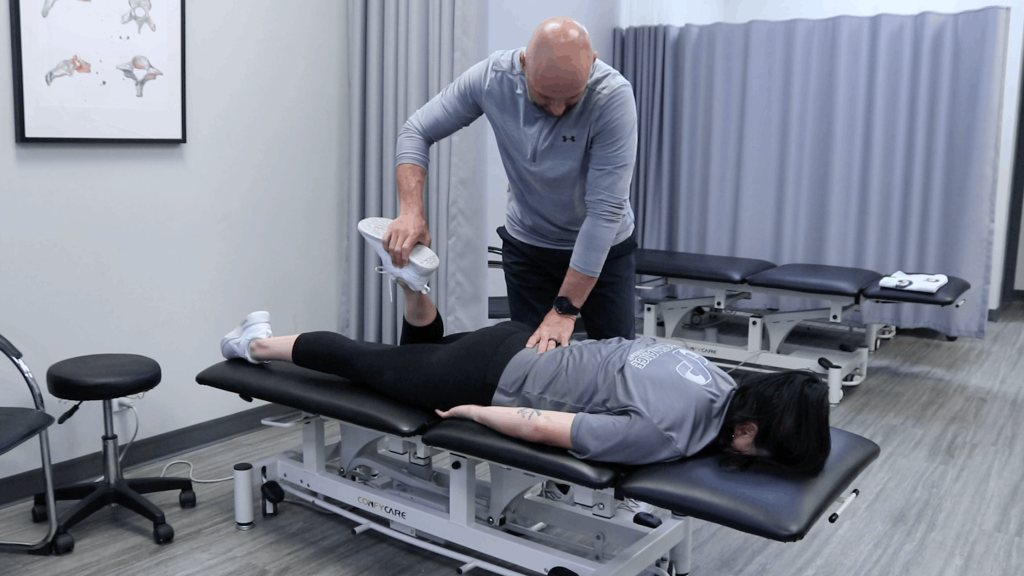
Your care begins with a detailed assessment of riding history, training load, crash history, and current symptoms, combined with movement testing of the spine, hips, knees, shoulders, and ankles. We analyze strength imbalances, motor control, and mobility restrictions that influence pedalling mechanics and shock absorption. Treatment may include manual therapy to restore joint motion, soft tissue techniques to reduce tone and improve tissue glide, and progressive exercise therapy targeting gluteal strength, core stability, and lower limb alignment. When appropriate, we provide guidance on bike setup considerations and training load management. The plan is phased, moving from pain reduction to capacity building and finally performance-oriented conditioning specific to gravel terrain demands.
Gravel cycling combines long hours in the saddle with vibration, variable terrain, and frequent position changes. These factors increase cumulative load on joints and connective tissue while demanding high levels of core stability and hip control. Without adequate mobility, strength balance, and recovery, small irritations in the knee, hip, back, neck, or hands can progress into persistent injuries that limit training consistency and race readiness.
Unlike smooth road surfaces, gravel transmits constant micro-vibrations through the bike into the wrists, shoulders, spine, and pelvis. Over time, this repetitive load can sensitize joints and irritate tendons, particularly in the lumbar spine, SI joints, and hands. When tissue capacity is lower than training demands, inflammation and pain develop, especially during longer endurance blocks common in Edmonton’s cycling season.
Even small issues in saddle height, reach, cleat alignment, or handlebar width can shift stress to the knees, hips, or neck. On gravel rides, riders often stay in one position for extended climbs or brace aggressively during descents, magnifying asymmetries. Poor load distribution may contribute to patellofemoral pain, IT band irritation, hip impingement symptoms, or cervical strain if not corrected.
Rapid increases in volume, intensity, or elevation gain can exceed tissue tolerance. Many athletes balance cycling with strength training or other sports, and without structured progression, cumulative fatigue alters pedalling mechanics and core stability. This breakdown increases risk of Achilles tendinopathy, hamstring strains, and lower back pain as compensations develop.
Gravel racing carries a higher risk of falls due to loose surfaces and technical descents. Even minor crashes can create joint restrictions, muscle guarding, or subtle instability that persist long after bruising resolves. If these impairments are not addressed, they may reduce power transfer, alter pedalling symmetry, and predispose you to re-injury.
Working with a qualified chiropractor and physiotherapist who understand cycling demands allows you to address the root mechanical and training contributors to pain. You can expect a clear diagnosis, a structured progression back to full mileage, improved joint mobility where needed, and targeted strength to increase tissue capacity. The outcome is not just symptom relief, but more efficient force transfer through the hips and core, improved comfort on long rides, and reduced risk of recurrence during Edmonton’s peak gravel season.
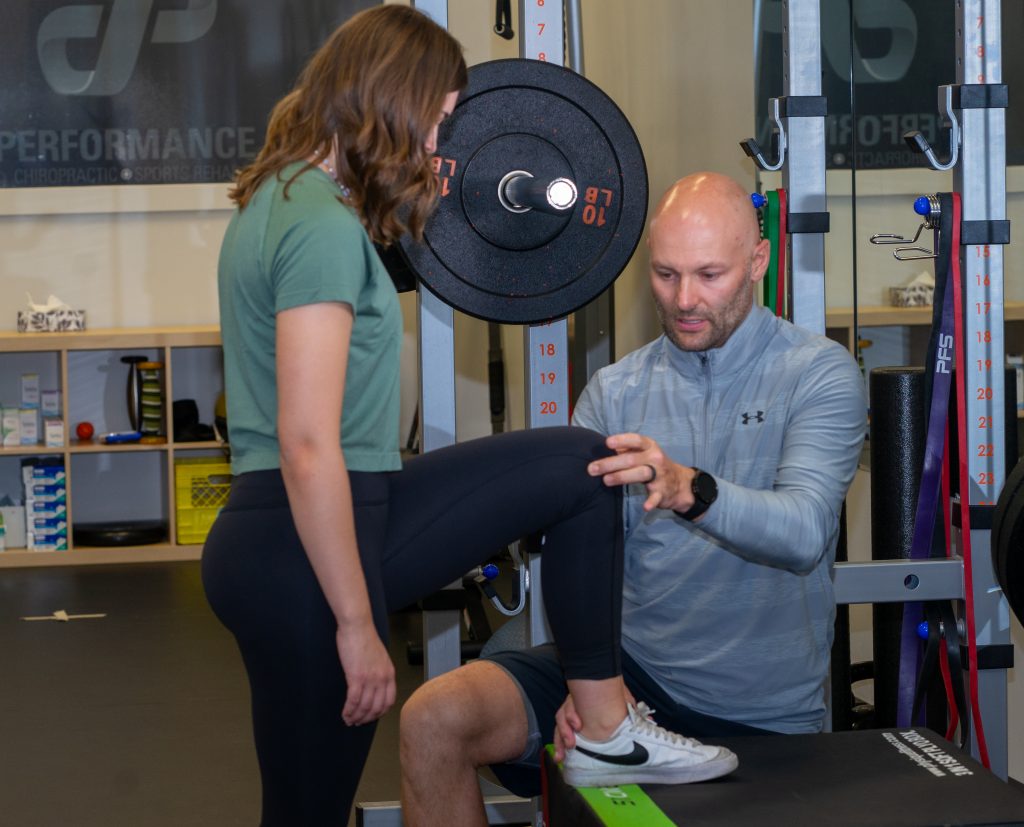
Timelines depend on the tissue involved, symptom duration, and your current training base. Mild overuse irritation may settle within a few weeks with load modification and targeted exercise, while chronic tendinopathy or post-crash instability can require a longer, staged approach. We provide realistic expectations based on assessment findings and adjust as you progress.
In most cases, complete rest is not necessary and may even delay recovery. Instead, we modify volume, intensity, and terrain to keep you active while protecting irritated tissues. The goal is to maintain cardiovascular fitness and movement quality without aggravating symptoms.
No. This service is appropriate for recreational and competitive riders alike. Whether you are training for an endurance event or enjoying weekend gravel routes around Edmonton, the principles of load management, movement efficiency, and tissue capacity apply at every level.
Most athletes begin with an in-depth assessment followed by a personalized treatment plan that outlines visit frequency, home exercises, and training modifications. Costs vary based on session length and modalities used, and we explain options clearly before starting care. Wear comfortable athletic clothing and bring details about your bike setup and training schedule to your first appointment. If you are ready to address pain proactively and ride stronger through the season, booking an assessment is the first step.