

Ice canoeing demands explosive power, balance on unstable ice, and relentless endurance in freezing conditions. If you are an Edmonton athlete dealing with shoulder pain, low back strain, knee irritation, or post-race flare-ups, targeted rehabilitation can help you recover fully and return stronger. At Performance Chiropractor + Physiotherapy, we focus on accurate diagnosis, sport-specific rehab, and performance-based progression so you can paddle, push, and portage with confidence. Book an assessment and get a clear plan built around your body and your race calendar.
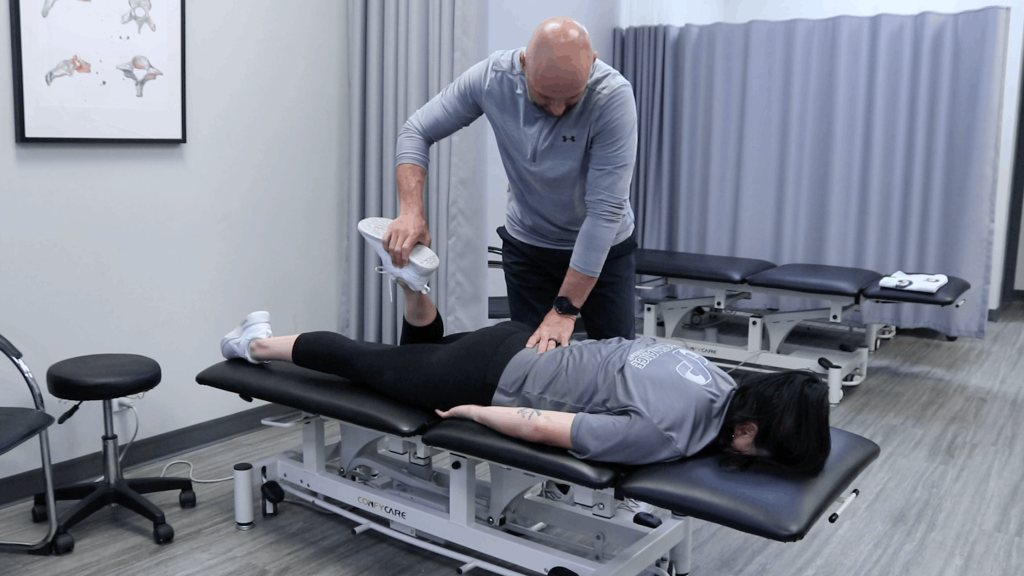
Your care begins with a detailed assessment of movement, strength, joint mechanics, and sport demands. We analyze paddling mechanics, trunk rotation control, hip and shoulder mobility, and single-leg stability. Treatment may include manual therapy to restore joint motion, targeted therapeutic exercise, progressive strength training, neuromuscular re-education, and load management planning. We use objective measures such as range-of-motion testing, strength benchmarks, and functional performance drills to guide progression. As symptoms improve, rehab shifts toward power development, endurance intervals, and simulated race transitions so your body is prepared for real competition demands in Edmonton’s winter conditions.
Ice canoeing combines paddling, sprinting across ice, lifting, and bracing against unstable surfaces. The repeated transition between water and ice creates unique loading patterns that stress the shoulders, spine, hips, and knees. Understanding the mechanisms behind these injuries is essential to resolving pain and preventing recurrence.
High-volume paddling, especially in cold weather, increases tendon stiffness and reduces tissue elasticity. Repetitive shoulder flexion and rotation under load can irritate the rotator cuff and biceps tendon, while forceful gripping stresses the forearm flexors and extensors. Without correcting stroke mechanics and scapular control, athletes often develop persistent tendinopathy rather than a short-term strain.
Ice canoeing requires powerful trunk rotation while stabilizing against an unstable base. If hip mobility or core endurance is limited, the lumbar spine absorbs excess rotational force. This can lead to facet joint irritation, intercostal muscle strain, or disc-related pain, particularly during intense race efforts or heavy ice pushes.
Running on uneven, slippery ice challenges proprioception and multiplanar stability. Sudden slips or deceleration can strain the MCL, irritate the patellofemoral joint, or overload the Achilles tendon. Inadequate single-leg strength and poor landing mechanics significantly increase the risk of both acute sprains and overuse injuries.
Cold environments reduce circulation and can mask early warning signs of tissue overload. Athletes may push through stiffness that would otherwise signal the need to stop. Reduced blood flow combined with high training volume can delay healing and prolong inflammation if recovery strategies are not optimized.
A structured, sport-specific plan addresses not only pain but the mechanical faults that caused it. By restoring joint mobility, optimizing muscle activation patterns, and progressively loading tissues, athletes regain power transfer through the paddle stroke and stability during ice transitions. The result is reduced flare-ups, improved stroke efficiency, stronger single-leg control, and greater confidence under race conditions. Working with a qualified provider also ensures that return-to-sport decisions are based on functional testing rather than guesswork, lowering the risk of re-injury mid-season.
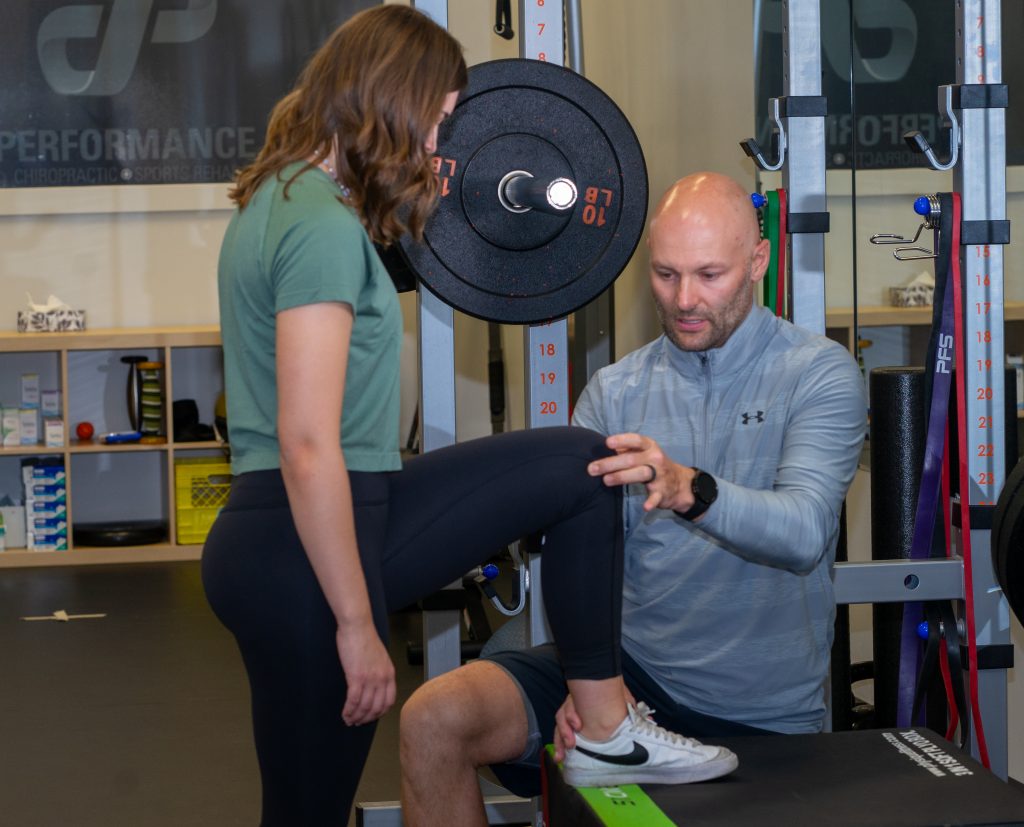
Timelines depend on the structure involved and how long symptoms have been present. Mild strains may improve within a few weeks with consistent rehab, while tendon or joint irritation that has persisted for months can require a longer, progressive loading plan. Early assessment typically shortens recovery by preventing compensation patterns.
In many cases, yes. Rather than complete rest, we modify volume and intensity to maintain conditioning without aggravating injured tissues. Cross-training, technique adjustments, and controlled strength work often allow athletes to stay active while healing.
Imaging is not always necessary. A thorough clinical assessment often identifies the primary pain generator and contributing factors. If red flags or significant structural injury are suspected, we coordinate appropriate imaging or referral, but most overuse and mechanical injuries respond well to evidence-based rehabilitation.
If pain is limiting your training or race performance, early, targeted intervention can make the difference between a short setback and a prolonged season disruption. At Performance Chiropractor + Physiotherapy in Edmonton, we combine clinical expertise with an understanding of high-performance sport to help you recover fully and build resilience. Reach out to start a plan designed around your goals, your timeline, and the unique demands of ice canoeing.