

Inline Skating Injury Treatment in Edmonton is designed for competitive and recreational skaters who want precise diagnosis, effective pain relief, and structured rehab that gets them back on wheels safely. At Performance Chiropractor + Physiotherapy in Edmonton, we focus on the unique biomechanical demands of inline skating—speed, lateral push-off, prolonged hip flexion, and repetitive ankle loading—so you recover faster and reduce the risk of re-injury. If pain is limiting your stride, power, or confidence, our integrated approach can help you return to training with a clear plan and measurable progress.
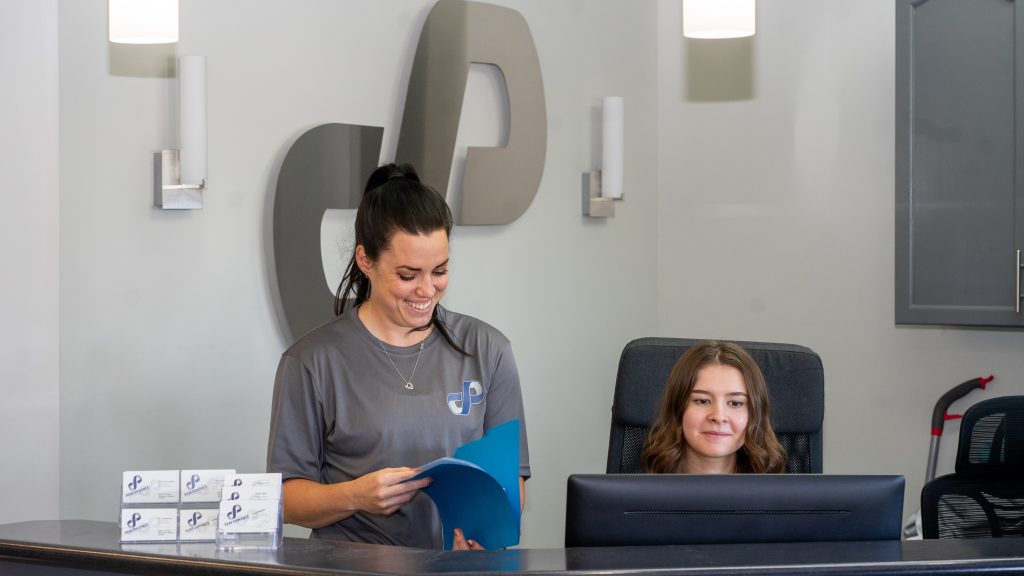
At Performance Chiropractor + Physiotherapy, care begins with a detailed assessment of injury history, training load, skate setup, and movement patterns. We evaluate joint mobility, muscle strength, balance, and functional skating mechanics, often using video analysis to identify asymmetries. Treatment may include hands-on therapy to restore joint and soft tissue mobility, progressive strength and tendon loading programs, neuromuscular retraining, and guidance on boot fit or orthotics when indicated. Rehab progresses from pain control and capacity building to plyometrics, lateral power drills, and return-to-sport testing so athletes in Edmonton can resume skating with reduced re-injury risk.
Inline skating places high repetitive loads through the hips, knees, ankles, and lower back while demanding balance and edge control. The combination of forward flexed posture, powerful lateral push-offs, and rigid boot support can create predictable stress patterns in the lower body. When training volume increases quickly, technique breaks down, or previous injuries are not fully rehabilitated, tissue overload occurs. Understanding these mechanisms is essential to resolving pain rather than masking it.
Inline skating relies heavily on hip abductors, adductors, and deep rotators to generate lateral propulsion and maintain pelvic stability. Weakness or poor neuromuscular control in these muscles increases strain on the groin and hip flexors, especially during sprint intervals or hill work. Over time, this can lead to adductor tendinopathy, hip impingement symptoms, or persistent groin strains that worsen with push-off and crossovers.
The repetitive knee flexion angle used in skating increases compressive forces behind the kneecap and tensile load through the patellar tendon. If ankle mobility is restricted by stiff boots or the hips lack strength, the knee absorbs more stress than it should. This often presents as patellofemoral pain, patellar tendinopathy, or irritation along the outer knee due to iliotibial band overload.
Although the boot provides external support, it can also restrict natural ankle motion and alter load distribution across the foot. Poorly fitted skates create pressure points and instability, contributing to peroneal tendon irritation, Achilles tendinopathy, or recurrent ankle sprains when balance is challenged. Limited dorsiflexion may shift forces upward, compounding knee and hip strain.
High speeds and hard surfaces make falls a significant risk, often resulting in wrist fractures, shoulder injuries, or tailbone contusions. More commonly, athletes push through early warning signs of overuse pain, leading to chronic tendon changes and prolonged recovery. Without targeted rehab that restores strength, mobility, and skating-specific mechanics, symptoms tend to recur when training intensity increases.
Working with a qualified chiropractor and physiotherapist provides an accurate diagnosis, load management strategy, and sport-specific rehabilitation plan. The goal is not only pain reduction but restoration of force production, edge control, and endurance. Athletes can expect clearer timelines, objective strength and mobility benchmarks, improved stride efficiency, and greater confidence returning to intervals, races, or recreational skating sessions.
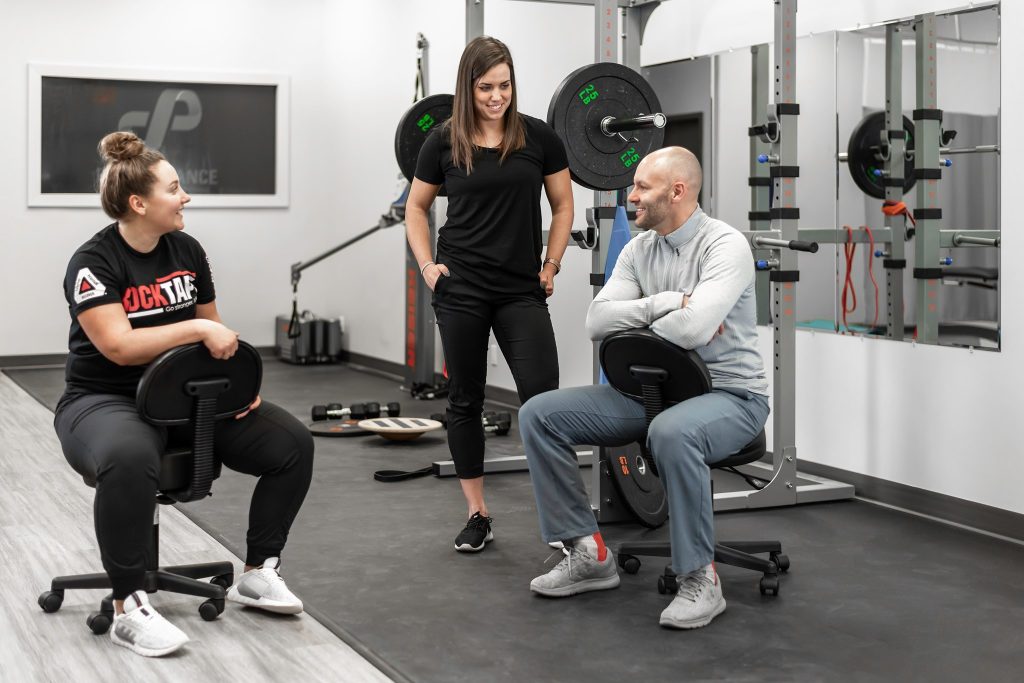
Recovery timelines depend on the specific tissue involved, severity, and how long symptoms have been present. Mild overuse injuries may improve within a few weeks with proper load management, while tendon or ligament injuries can require several months of progressive rehabilitation. A clear plan with staged goals helps set realistic expectations.
In many cases, modified skating is possible. We adjust frequency, intensity, and duration to protect healing tissue while maintaining conditioning. Complete rest is rarely required unless there is an acute fracture or significant structural injury.
Imaging is not always necessary. A thorough clinical assessment often identifies the source of pain. If red flags or suspected structural damage are present, we coordinate with your physician for appropriate imaging in Edmonton.
If pain is affecting your stride, power, or race preparation, early assessment can prevent a minor issue from becoming a season-ending problem. Our team works with athletes across Edmonton to deliver individualized, evidence-informed care that supports both recovery and performance. Book an assessment to determine whether this focused approach is the right fit for your training goals.