

High-intensity self-defence training demands explosive power, rapid directional changes, and full-contact drills that can strain even well-conditioned athletes. At Performance Chiropractor + Physiotherapy in Edmonton, we provide focused assessment and rehab for Krav Maga practitioners dealing with acute injuries, recurring pain, and performance plateaus. Our approach targets the specific mechanics of striking, grappling, and defensive movements to relieve pain, restore stability, and help you return to training with confidence. If your sessions are being limited by pain or repeated setbacks, our team is ready to guide your recovery.
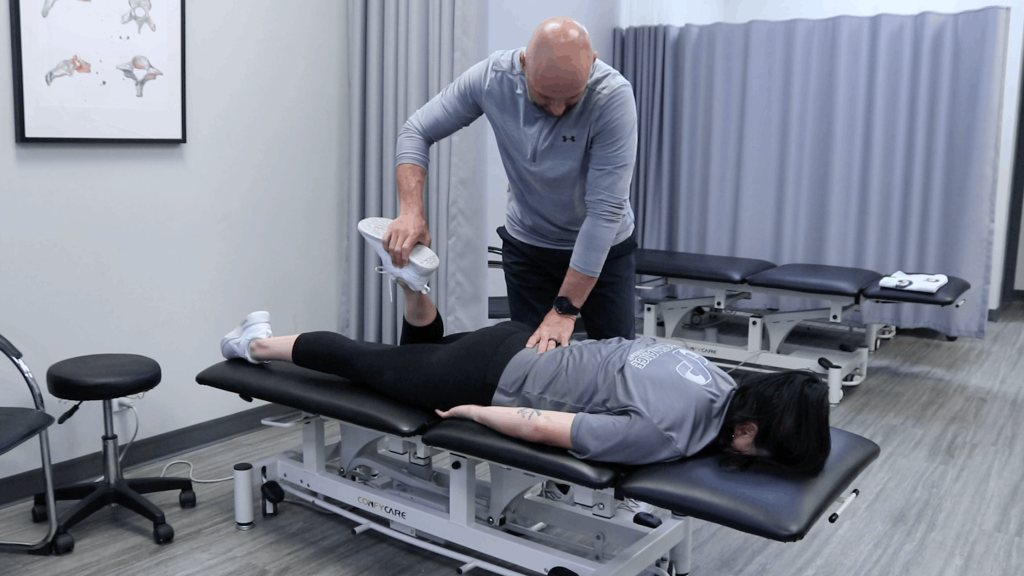
Your care begins with a detailed history and physical examination, including joint mobility testing, strength assessment, neurological screening when indicated, and movement analysis of relevant patterns such as punching mechanics, hip rotation, and single-leg stability. We use a combination of evidence-informed chiropractic adjustments, soft tissue therapy, and progressive exercise rehabilitation to address joint restrictions, reduce protective muscle guarding, and rebuild capacity. Treatment plans are individualized and progressed using objective markers such as pain levels, range of motion, strength symmetry, and functional drills that mirror training demands, aligning with contemporary musculoskeletal best practices.
Krav Maga combines striking, clinch work, takedowns, and ground defence under fatigue, which places complex loads on the spine and extremities. Injuries often occur when speed and force exceed tissue capacity, when technique breaks down under stress, or when recovery between sessions is insufficient. Understanding the mechanisms behind these injuries is key to resolving pain and preventing recurrence.
Repeated punching, blocking, and defending against chokes create high rotational forces through the shoulder girdle and cervical spine. If the rotator cuff and scapular stabilizers are not adequately conditioned, the humeral head can translate excessively, leading to impingement, labral irritation, or tendinopathy. Sudden neck traction during choke defences can also strain cervical joints and surrounding muscles, resulting in stiffness, headaches, or radiating arm symptoms.
Power generation in strikes and sprawls relies on coordinated hip rotation and core bracing. Limited hip mobility or poor lumbopelvic control shifts load into the lumbar spine, increasing compressive and shear forces on discs and facet joints. Over time, this can contribute to disc irritation, facet joint sprain, or chronic muscular guarding that restricts movement and power output.
Explosive pivots, sudden direction changes, and resisting takedowns challenge the ligaments and menisci of the knee, as well as the lateral ankle complex. Inadequate neuromuscular control or previous sprains can reduce joint stability, making athletes more susceptible to ligament sprains, patellofemoral pain, or recurrent ankle instability that affects balance and striking accuracy.
Many athletes train through discomfort, masking symptoms with taping or bracing without correcting underlying mobility restrictions or strength deficits. Persistent inflammation and altered movement patterns can lead to compensations in adjacent joints, spreading the problem. Without targeted rehabilitation, small strains can evolve into chronic tendinopathy or recurring joint dysfunction that limits long-term progress.
Performance-Focused Recovery and Return to Training
Working with a clinician who understands combat sport biomechanics means your rehab is built around the demands of striking, clinching, and ground transitions. Care is directed at reducing pain, restoring joint mobility, improving load tolerance of tendons and ligaments, and retraining sport-specific movement patterns. The result is not only symptom relief but measurable improvements in stability, force transfer, reaction capacity, and resilience under fatigue so you can return to class with reduced reinjury risk.
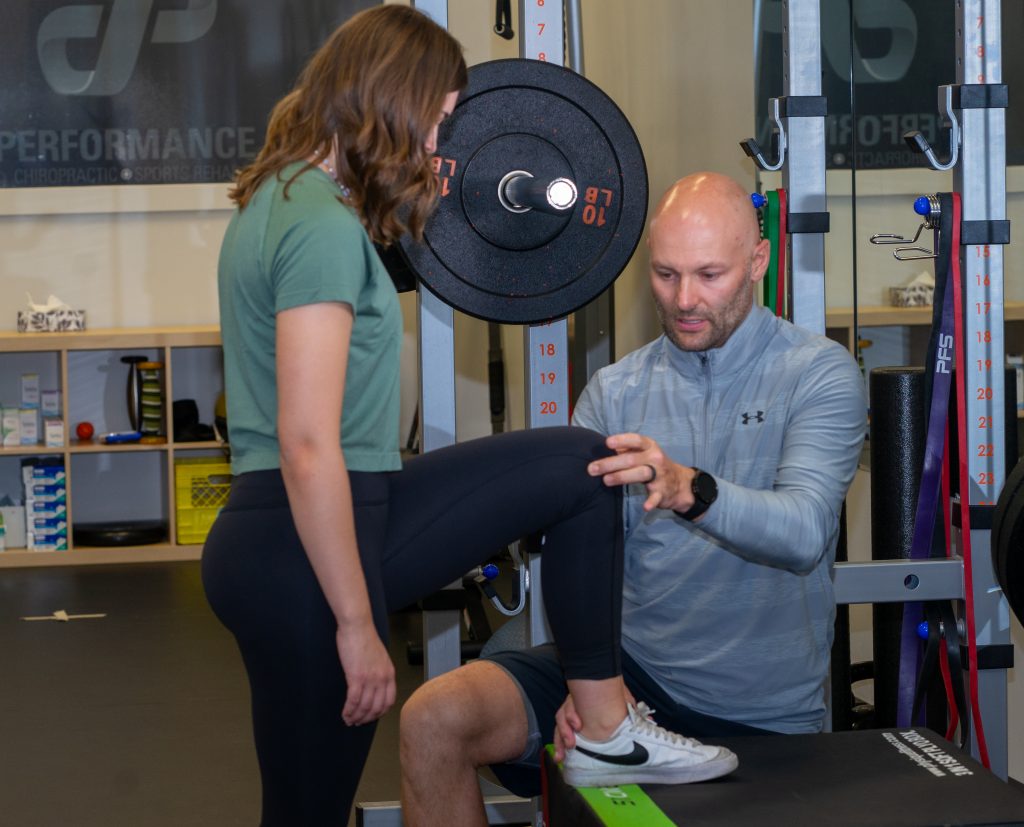
Timelines depend on the severity and type of injury, your training load, and how consistently you follow the rehab plan. Mild strains may improve within a few weeks, while ligament sprains or disc-related pain can require a more gradual progression over several weeks to months. We provide clear phase-based guidance so you know when to modify, partially return, and fully resume training.
In many cases, yes, with modifications. We outline which movements to limit, how to scale intensity, and what protective strategies to use so you maintain conditioning without aggravating the injury. If rest is necessary, we explain why and provide alternative exercises to preserve strength and cardiovascular fitness.
Most soft tissue and joint injuries can be assessed clinically without immediate imaging. If red flags or suspected structural damage are present, we will recommend appropriate imaging or referral. Our priority is ensuring your condition is managed safely and efficiently based on current clinical guidelines.
If pain is interfering with your striking power, mobility, or confidence on the mat, a focused, sport-specific approach can make the difference between repeated setbacks and lasting progress. At Performance Chiropractor + Physiotherapy in Edmonton, we help Krav Maga athletes move better, recover smarter, and train harder with a clear, structured rehabilitation plan tailored to their goals.