

Mountain Biking Injury Rehab in Edmonton is designed for athletes who want more than rest and generic exercises. At Performance Chiropractor + Physiotherapy, we help riders in Edmonton recover from crashes, overuse pain, and stubborn performance plateaus by identifying the mechanical causes of injury and rebuilding strength, control, and confidence on the bike. Whether you are dealing with shoulder instability after a fall, low back pain on long climbs, or knee pain on descents, our goal is to get you riding hard again with a clear, sport-specific plan. Book an assessment and start moving forward.
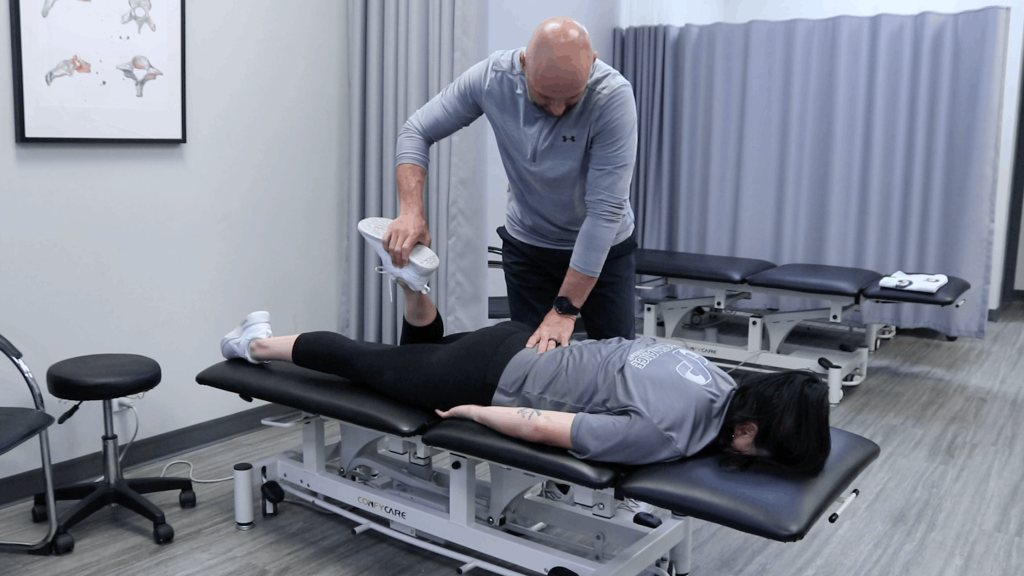
Your care begins with a detailed assessment of injury history, riding style, training load, and bike setup. We evaluate joint mobility, strength asymmetries, trunk endurance, balance, and, when relevant, vestibular and concussion-related function. Treatment may include manual therapy to restore mobility, targeted soft tissue work, progressive strength and power training, motor control retraining, and graded return-to-ride programming. We align our approach with current sports medicine and rehabilitation principles, adjusting load and intensity based on tissue healing timelines and objective performance markers to ensure a safe, efficient return to riding.
Mountain biking places unique demands on the body: sustained hip flexion, repetitive gripping and braking, high-speed descents, and unpredictable terrain. Injuries often result from a combination of crash trauma, repetitive load, and subtle mobility or strength deficits that build over time. Without targeted rehabilitation, these issues can become chronic, limiting performance and increasing the risk of re-injury.
Falls over the handlebars and hard landings commonly lead to shoulder sprains, AC joint irritation, rotator cuff strains, and wrist injuries. Even when fractures are ruled out, joint instability and poor scapular control can persist. If these are not addressed with progressive loading and neuromuscular retraining, riders may experience ongoing pain with braking, cornering, and absorbing impact.
Prolonged forward flexion combined with vibration and repetitive pedalling can overload the lumbar spine and hip flexors. Limited hip extension, weak glutes, and poor trunk endurance increase shear forces through the lower back. Over time, this can lead to facet irritation, disc-related symptoms, or persistent muscular guarding that reduces power output and comfort on longer rides.
Knee pain in riders is often linked to patellofemoral irritation, IT band overload, or tendon strain. Contributing factors include saddle height errors, cleat position, limited ankle mobility, and quadriceps dominance. Without correcting these mechanical drivers and restoring balanced strength, symptoms frequently return as soon as training volume increases.
Crashes can result in concussions, whiplash, and cervical spine strain. Symptoms such as headaches, dizziness, visual disturbance, and reduced reaction time are not only uncomfortable but also unsafe on technical trails. A graded, evidence-informed rehabilitation approach is essential to restore vestibular function, neck strength, and confidence before returning to high-speed riding.
Working with a qualified provider means your rehabilitation is built around the actual demands of mountain biking, not just generic recovery. You can expect clearer pain reduction timelines, improved joint stability, better pedalling efficiency, and measurable gains in strength and endurance that transfer to the trail. By addressing root mechanical causes, refining movement patterns, and progressing load safely, riders often return with improved body awareness and resilience, reducing the likelihood of repeat crashes and overuse flare-ups.
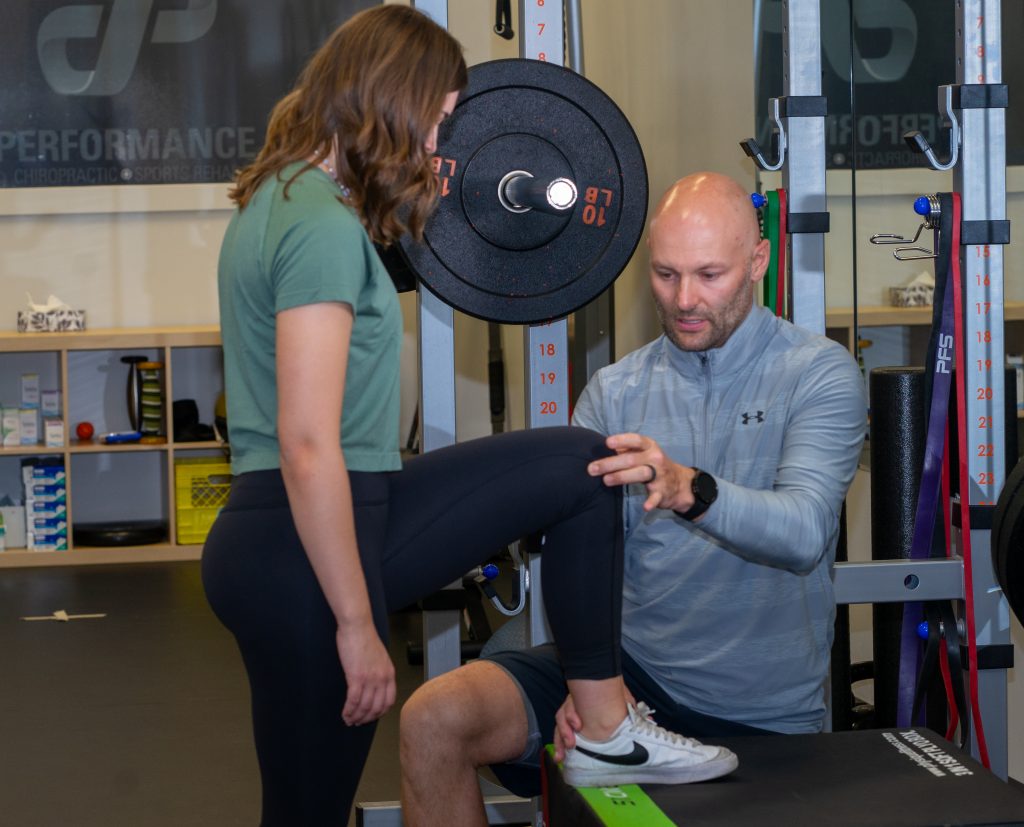
Timelines depend on the type and severity of injury, your training history, and how consistently you follow the plan. Mild overuse injuries may improve within a few weeks, while post-crash shoulder instability or concussion recovery can require several months of structured progression. We provide realistic timelines after your assessment and adjust them based on your response to treatment.
In many cases, yes, but with modifications. We often adjust intensity, terrain, or duration to protect healing tissues while maintaining fitness. For acute injuries or concussion, temporary rest from riding may be necessary. Return-to-ride decisions are based on symptom behaviour, strength benchmarks, and your ability to control the bike safely.
Imaging is not always required. A thorough clinical assessment can identify most musculoskeletal drivers of pain. If we suspect a fracture, significant ligament tear, or other condition requiring medical referral, we will coordinate appropriately. Our priority is ensuring that rehabilitation is both safe and appropriately targeted.
If pain, instability, or reduced performance is holding you back on Edmonton’s trails, a focused, sport-specific plan can make the difference between recurring setbacks and long-term progress. At Performance Chiropractor + Physiotherapy, we combine clinical expertise with an understanding of mountain biking demands to help you return with strength and confidence. Contact us to schedule your assessment and take the next step toward a stronger ride.