

Mounted archery places unique rotational, balance, and high-speed demands on the body, and when pain develops it can quickly affect accuracy, control, and confidence in the saddle. At Performance Chiropractor + Physiotherapy in Edmonton, we provide focused care for mounted archers who need precise diagnosis, effective pain relief, and structured rehabilitation that supports both riding and shooting performance. If shoulder, back, hip, or wrist pain is limiting your draw, stability, or endurance, our evidence-based approach is designed to help you recover safely and return to training stronger—book an assessment to get started.
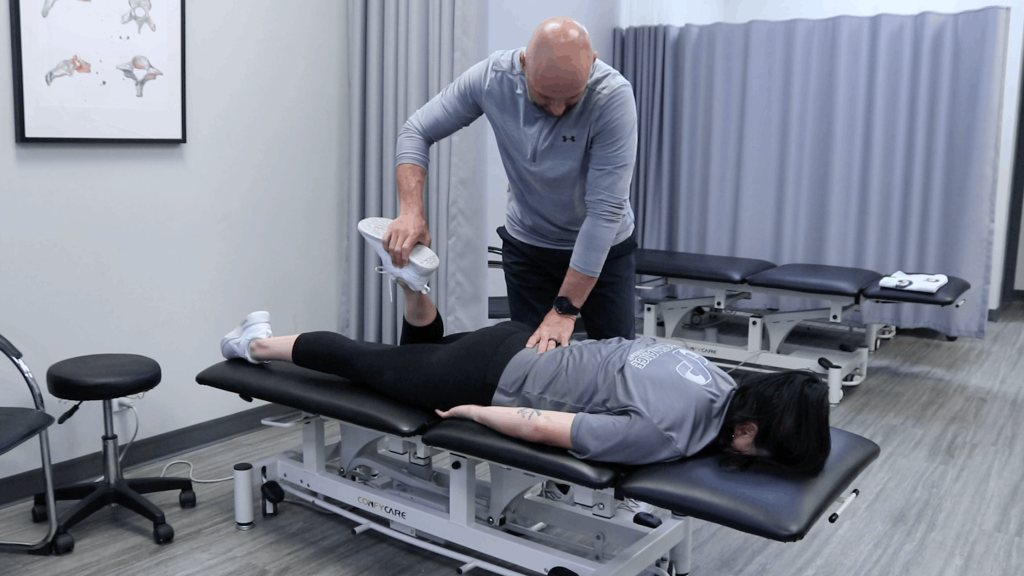
Care begins with a detailed history and physical examination focused on riding volume, shooting style, equipment setup, and symptom behaviour. We assess joint mobility, scapular mechanics, core endurance, hip control, and dynamic balance, often incorporating functional movement testing that mimics mounted archery demands. Treatment may include manual therapy to restore joint and soft tissue mobility, evidence-informed modalities for pain modulation, and a structured exercise program emphasizing progressive loading, motor control, and sport-specific integration. We coordinate return-to-ride and return-to-shoot timelines based on tissue healing principles and performance benchmarks rather than arbitrary dates.
Mounted archery combines the asymmetric loading of archery with the dynamic instability of horseback riding, creating layered stress on joints, muscles, and connective tissues. Repeated high-velocity trunk rotation, one-sided draw mechanics, and the need to stabilize through the hips while absorbing movement from the horse can overload specific structures. Without targeted rehab, minor irritation can progress to persistent pain, compensatory movement patterns, and reduced performance.
The draw arm and bow arm experience repetitive tensile and compressive forces, especially through the rotator cuff, biceps tendon, and common extensor tendon at the elbow. When scapular control or thoracic mobility is limited, these forces concentrate at the shoulder and elbow, increasing the risk of tendinopathy or impingement. In mounted settings, subtle balance corrections amplify these loads, making precise assessment and progressive loading essential for recovery.
Maintaining alignment while rotating to shoot from different angles requires coordinated motion between the hips, thoracic spine, and rib cage. If hip mobility is restricted or core endurance is insufficient, the lumbar spine absorbs excess rotational stress. Over time, this can irritate facet joints, strain paraspinal muscles, or contribute to rib dysfunction, leading to pain during transitions, canter, or repeated shots.
Mounted archers often favour one side when drawing and releasing, which can reinforce asymmetry through the pelvis and hips. Combined with the constant need to stabilize in the saddle, this may contribute to hip flexor tightness, gluteal weakness, or sacroiliac joint irritation. These imbalances reduce shock absorption and make both riding and shooting mechanics less efficient.
Grip pressure, rein control, and bow handling demand fine motor control under dynamic conditions. Repetitive strain of the wrist flexors and extensors, especially with poor load distribution or equipment mismatch, can lead to persistent wrist pain or reduced grip endurance. Addressing mobility, strength, and technique together is key to restoring precision.
Working with a qualified chiropractor and physiotherapist ensures that pain is not only reduced but that the underlying biomechanical drivers are addressed. Through individualized mobility work, progressive strengthening, neuromuscular retraining, and sport-specific drills, athletes can expect improved draw stability, better trunk rotation control, and more efficient force transfer from the saddle to the shot. The result is measurable gains in endurance, accuracy under fatigue, and confidence returning to competition, with a lower risk of recurrence.
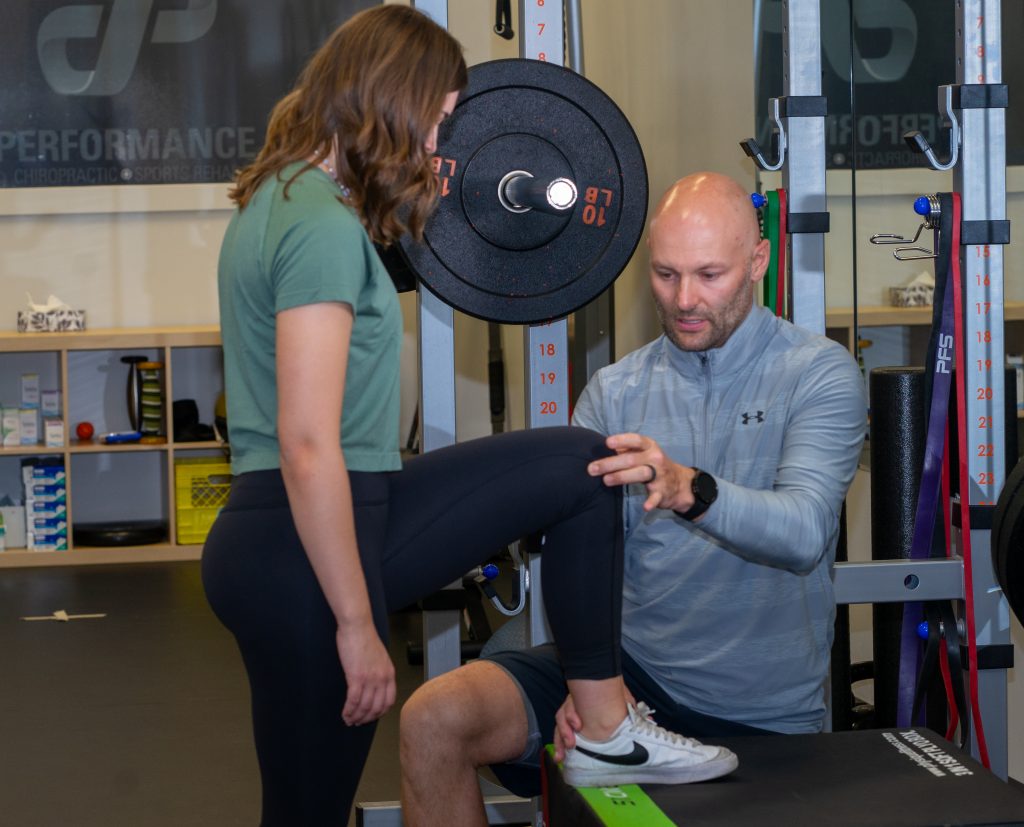
Timelines depend on the tissue involved, symptom duration, and training load, but many athletes notice meaningful improvement within several weeks when adhering to a structured program. Longer-standing tendon or joint issues may require a more gradual progression to rebuild load tolerance safely.
Not always. In many cases, we modify intensity, frequency, or specific movements to reduce aggravating load while maintaining conditioning. Complete rest is rarely the only solution; controlled, progressive exposure is often more effective for long-term resilience.
Your initial visit includes a thorough assessment, discussion of goals, and a clear plan outlining treatment options, expected milestones, and home exercises. You will leave with practical strategies to manage symptoms and a roadmap for returning to full mounted archery performance.
Athletes often ask about cost, imaging, and insurance coverage; fees vary based on assessment and treatment length, and many extended health plans in Alberta cover chiropractic and physiotherapy services. Imaging is only recommended when clinical findings suggest it will change management. Most importantly, successful outcomes depend on active participation in rehabilitation, honest communication about training demands, and working with clinicians who understand the combined physical stresses of riding and archery.