

High-level paddleboarding demands explosive power, balance, and endurance, and when pain disrupts your stroke, speed and confidence suffer. At Performance Chiropractor + Physiotherapy in Edmonton, we help competitive and recreational SUP racers recover from overuse and acute injuries, restore efficient biomechanics, and return to racing stronger. If shoulder pain, low back stiffness, rib irritation, or hip tightness is limiting your training, our focused assessment and rehab approach is designed to get you back on the water safely and efficiently—book an assessment and start your recovery plan today.
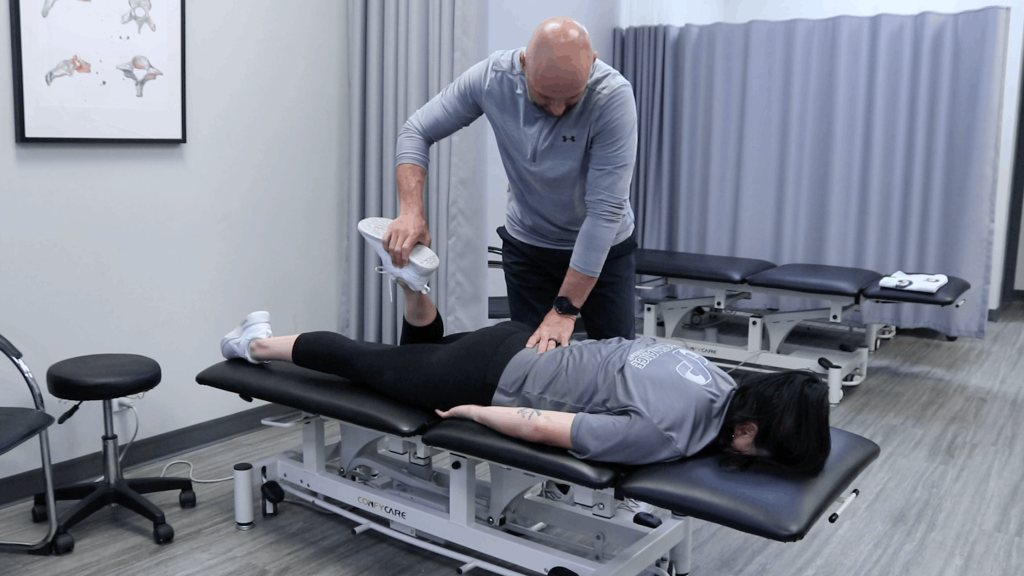
Your care begins with a detailed history of training volume, race goals, and symptom behaviour, followed by a movement assessment examining shoulder mechanics, spinal mobility, hip strength, balance, and core endurance. We use evidence-informed chiropractic adjustments when joint restriction is contributing to pain, combined with soft tissue therapy, myofascial release, and progressive rehab exercises tailored to paddling demands. Load management strategies, technique cues, and return-to-race planning are integrated so that treatment aligns with your competition calendar and follows accepted rehabilitation principles focused on gradual tissue loading and functional progression.
Paddleboard racing places repetitive rotational loads through the shoulders, spine, hips, and lower limbs while demanding prolonged balance on an unstable surface. Small technique errors, rapid increases in mileage, or inadequate strength in key stabilizers can accumulate into tissue overload. Understanding the mechanical drivers of pain helps target treatment precisely rather than simply managing symptoms.
Each paddle stroke combines shoulder flexion, internal rotation, and scapular control under load. When the rotator cuff and scapular stabilizers fatigue, the humeral head can migrate slightly within the joint, increasing stress on the supraspinatus tendon or biceps tendon. Over time, this leads to tendinopathy, impingement-type symptoms, or pain with overhead reach and power strokes.
SUP racing relies on repeated trunk rotation and extension. Limited thoracic mobility or poor core endurance shifts excess motion to the lumbar spine and costovertebral joints. This can result in facet irritation, rib joint dysfunction, or muscular guarding that presents as sharp pain with paddling, deep breathing, or transitions from prone to standing.
Efficient paddling requires strong hip extension and lateral stability to control sway on the board. Weak gluteus medius or restricted hip flexors increase reliance on the lower back and hamstrings, contributing to sacroiliac irritation, proximal hamstring strain, or groin tightness during longer training sessions.
Preparing for race season often means higher mileage, interval work, and cross-training. Sudden spikes in training load without proportional recovery reduce tissue capacity and impair neuromuscular control. This mismatch between load and capacity is a primary driver of tendon pain, muscle strains, and recurring flare-ups.
Working with a clinician who understands the biomechanics of paddle sports means your care goes beyond passive treatment. You receive a structured plan that reduces inflammation and joint irritation, restores mobility where it is restricted, builds strength in key paddling muscles, and corrects stroke-related imbalances. The result is not only decreased pain but improved power transfer, better endurance on the water, and reduced risk of reinjury during race season.
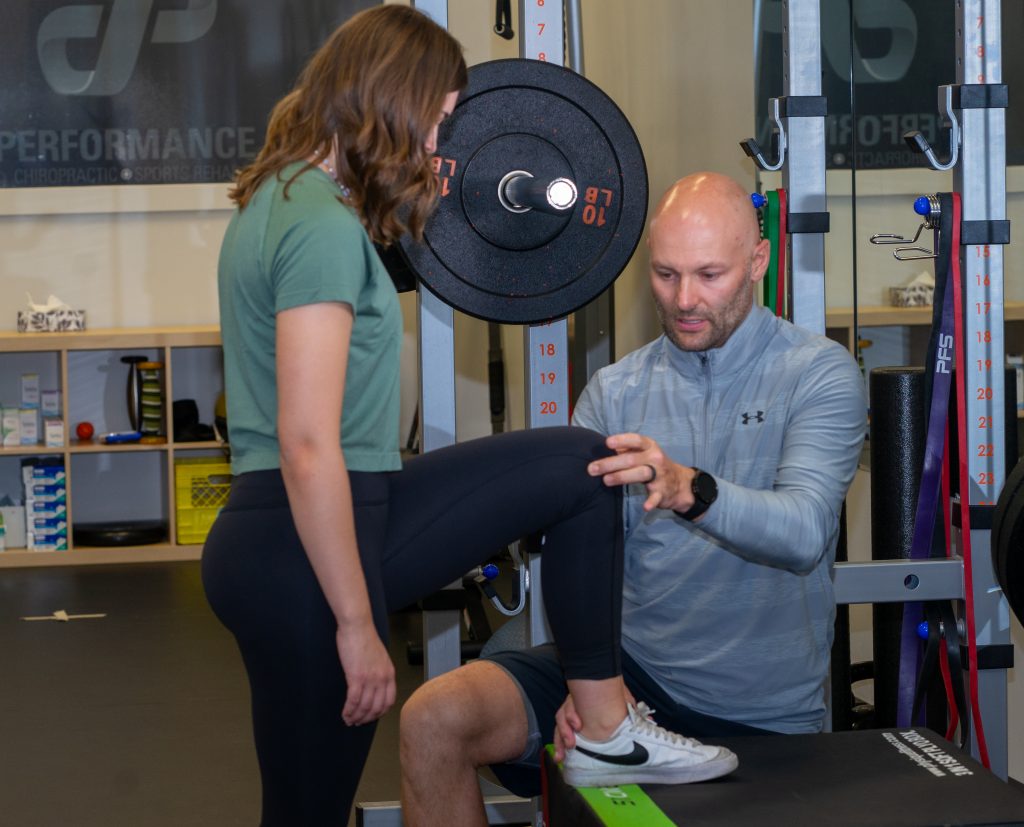
Timelines depend on the severity and duration of the injury, your current training load, and how consistently you follow the rehab plan. Mild tendon irritation may settle within a few weeks with modified training, while more persistent conditions can require several months of progressive loading. We provide realistic milestones so you know when to reintroduce intervals and race-pace efforts.
In many cases, yes. Rather than complete rest, we adjust volume, intensity, or stroke mechanics to keep you active without aggravating tissues. Strategic load modification maintains cardiovascular fitness and paddling skill while protecting healing structures.
Manual therapy can reduce pain and restore joint motion, but long-term results depend on strengthening and motor control. That is why your plan combines hands-on care with progressive exercise, ensuring improvements translate to stronger, more efficient paddling.
If pain is limiting your speed, endurance, or confidence on the board, early intervention can prevent a minor issue from becoming a season-ending problem. Our Edmonton team works with driven athletes who want clear answers, structured rehab, and a performance-focused plan. Contact Performance Chiropractor + Physiotherapy to schedule an assessment and take the next step toward racing at your best.