

Ringette Injury Treatment in Edmonton is designed for competitive and recreational athletes who need expert care for pain, reduced mobility, and sport-related injuries. At Performance Chiropractor + Physiotherapy, we understand the speed, tight turns, and repetitive skating demands of ringette and how they stress hips, knees, shoulders, and the lower back. Our integrated approach combines hands-on therapy, sport-specific rehabilitation, and clear return-to-play planning to help you recover safely and perform with confidence. If pain is limiting your stride, shot, or ability to compete, our Edmonton team is ready to help you take the next step toward recovery.
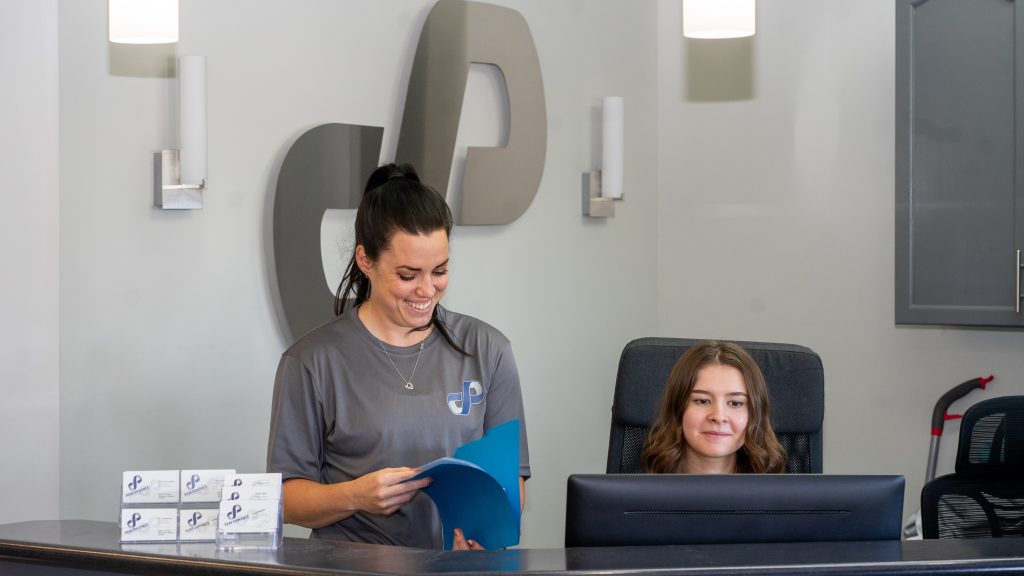
Care begins with a detailed assessment of your injury history, skating demands, strength, mobility, and movement patterns. We use orthopaedic testing, functional movement analysis, and, when appropriate, collaboration with your physician or imaging reports to clarify the diagnosis. Treatment may include manual therapy such as joint mobilizations and soft tissue techniques, progressive strength and conditioning, neuromuscular retraining, and sport-specific drills that simulate skating mechanics. We follow evidence-informed rehabilitation principles, gradually increasing load and complexity to match healing timelines and performance goals. Clear communication around return-to-play criteria ensures you understand each phase of recovery.
Ringette is a high-speed ice sport that requires explosive acceleration, rapid lateral cuts, stick handling, and frequent deceleration. These movements place significant load on the hip flexors, groin, quadriceps, hamstrings, knees, shoulders, and spine. When mobility restrictions, muscle imbalances, or poor load management are present, tissues are exposed to repetitive stress that exceeds their capacity. Without proper assessment and progressive rehabilitation, minor strains can evolve into chronic pain, recurrent injury, or prolonged time away from competition.
The skating stride demands powerful hip abduction and extension, especially during crossovers and quick directional changes. Repetitive loading of the adductors and hip flexors can create micro-tearing if strength and flexibility are not balanced. Limited hip internal rotation or pelvic control further increases strain on the groin. Early treatment that restores range of motion, improves neuromuscular control, and gradually reloads the tissues reduces the risk of chronic adductor tendinopathy.
Frequent acceleration and abrupt stops increase compressive and shear forces through the knee joint. Weakness in the glutes or poor single-leg stability can shift load toward the patellofemoral joint or medial structures, contributing to patellar tendon irritation or ligament sprains. Addressing biomechanics, strengthening the posterior chain, and retraining proper alignment during skating-specific drills helps protect the knee from ongoing overload.
Although ringette has less body contact than hockey, collisions and repetitive stick movements can stress the shoulder complex and wrists. Overhead reaching, shooting, and battling for the ring may irritate the rotator cuff or lead to wrist sprains. Targeted rehabilitation focuses on scapular stability, rotator cuff endurance, and grip strength to restore control and reduce reinjury risk.
A sustained forward skating posture increases lumbar spine load, especially when combined with tight hip flexors and reduced core endurance. Over time, this may contribute to facet irritation or muscular strain. Correcting hip mobility deficits, improving trunk stability, and modifying training volume are key components in resolving back pain linked to ringette.
Working with a qualified chiropractor and physiotherapist provides a clear diagnosis, structured rehab plan, and objective progression criteria. Treatment can reduce pain, restore joint mobility, rebuild strength and power, and improve skating mechanics. Athletes often notice better stride efficiency, more stable turns, stronger shots, and increased confidence on the ice. Most importantly, guided rehabilitation lowers the likelihood of recurring injuries by addressing root causes rather than masking symptoms.
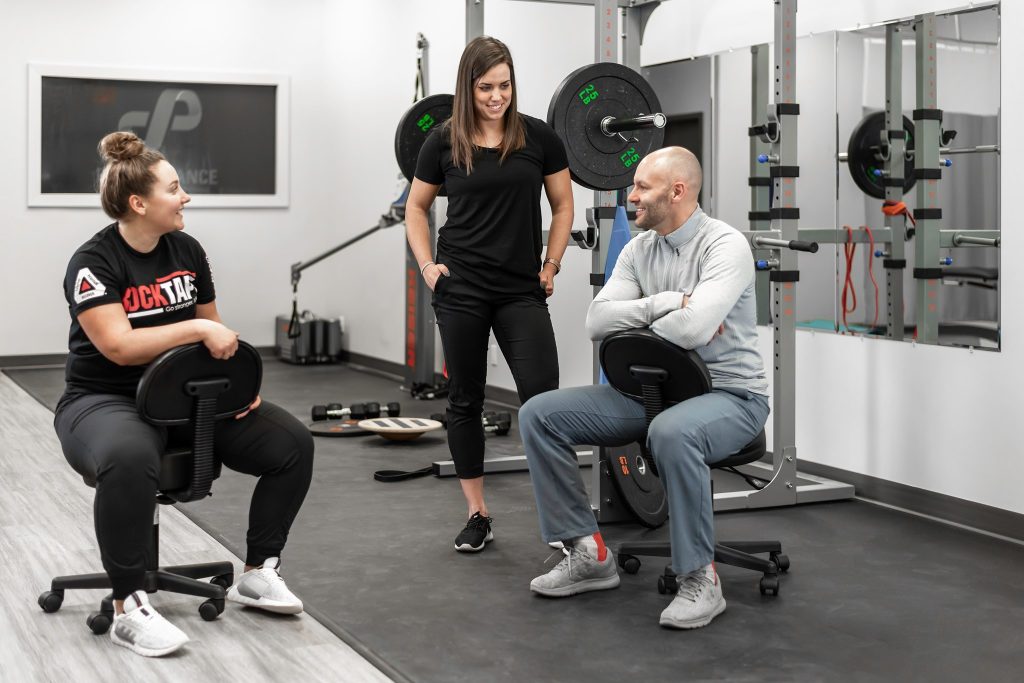
Timelines depend on the type and severity of the injury, your training load, and how early treatment begins. Mild muscle strains may improve within a few weeks, while ligament injuries or persistent tendinopathy can require several months of progressive rehabilitation. Your plan will include phased goals so you know what to expect at each stage.
Not always. In many cases, we modify activity rather than eliminate it. This may involve reducing ice time, limiting certain drills, or focusing on off-ice conditioning while tissues heal. The goal is to maintain fitness without aggravating the injury.
Our approach is tailored to the biomechanics and demands of ringette. We integrate skating-specific movement retraining, single-leg power development, and return-to-play testing relevant to your position and level of competition, rather than using a generic exercise template.
If you are an Edmonton athlete dealing with groin pain, knee instability, shoulder strain, or persistent back discomfort, early assessment can make a significant difference in your recovery. Performance Chiropractor + Physiotherapy provides coordinated, sport-focused care that prioritizes both healing and performance. Booking an evaluation is the first step toward returning to the ice stronger, more resilient, and ready to compete.