

Snow Biking Injury Treatment in Edmonton is designed for athletes who push hard through winter trails and now find themselves limited by pain, stiffness, or loss of power. At Performance Chiropractor + Physiotherapy, we combine sports-focused chiropractic care and physiotherapy to accurately diagnose trail-related injuries, reduce pain, and rebuild strength and control so you can ride with confidence again. If snow biking has left you sidelined or riding at half capacity, our Edmonton team can help you return to performance safely and efficiently.

Your care begins with a detailed assessment of injury history, riding mechanics, strength, mobility, and neurological function. We use orthopaedic testing, functional movement analysis, and, when appropriate, evidence-informed clinical guidelines to clarify the diagnosis. Treatment may include joint mobilizations or manipulations to restore mechanics, soft tissue therapy to reduce tone and improve tissue glide, and individualized exercise programming focused on progressive loading, proprioception, and sport-specific drills. As pain settles, we advance to strength and conditioning strategies that mimic snow biking demands, such as anti-rotation core work and dynamic balance training, ensuring a structured, criteria-based return to full performance.
Snow biking places unique demands on the body due to unstable terrain, cold temperatures, and prolonged standing or semi-squat positions. Fatigue, vibration, and sudden changes in traction increase the load on joints and soft tissues, often leading to overuse injuries or acute trauma. Without targeted rehab, minor irritation can progress into chronic pain, reduced mobility, or recurring setbacks that limit your season.
Riding over packed snow and uneven trails transmits repetitive vibration through the handlebars and foot pegs into the wrists, elbows, shoulders, hips, and spine. Over time, this mechanical stress can irritate joint surfaces and surrounding tissues, contributing to wrist tendinopathy, shoulder impingement, or low back pain. When joint mechanics are not restored, inflammation and protective muscle guarding can persist long after the initial ride.
Loss of traction on ice or deep snow increases the likelihood of falls, which can result in sprains, strains, contusions, or more complex ligament injuries. Common patterns include AC joint sprains in the shoulder, knee ligament strain from awkward landings, and whiplash-type neck injuries. Early assessment is critical because untreated instability or altered movement patterns raise the risk of reinjury.
Cold environments reduce tissue elasticity and can impair circulation, making muscles and tendons more prone to strain. Riders often start intense efforts before tissues are fully warmed, leading to calf, hamstring, or forearm tightness that alters biomechanics. Restricted mobility forces compensations elsewhere in the kinetic chain, amplifying stress on adjacent joints.
Maintaining control on snow requires sustained core engagement and dynamic hip stability. As fatigue sets in, athletes may collapse into lumbar flexion or knee valgus, increasing compressive and shear forces on the spine and knees. Over time, this can drive disc irritation, patellofemoral pain, or hip flexor overuse if strength deficits are not corrected.
Working with a qualified sports chiropractor and physiotherapist means your care targets the true driver of symptoms rather than just masking pain. Through precise manual therapy, progressive loading, and movement retraining, most athletes experience measurable reductions in pain, improved joint range of motion, and restored strength symmetry. The goal is not only symptom relief but a resilient return to riding, with better shock absorption, control on unstable terrain, and reduced likelihood of recurring flare-ups.
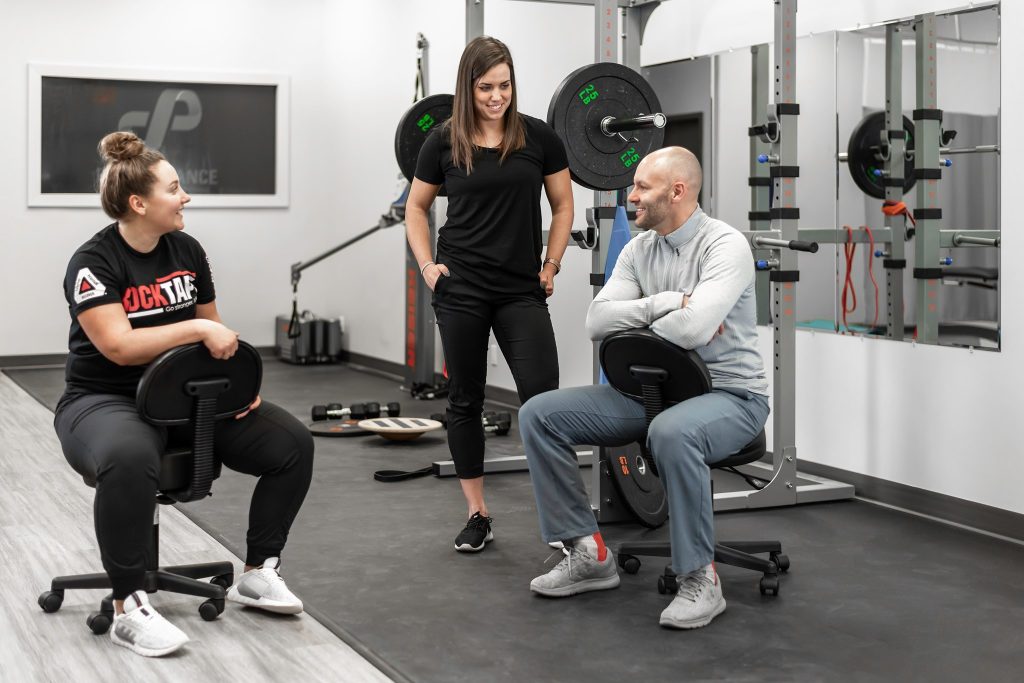
Timelines depend on the severity and type of injury, your training history, and how early treatment begins. Mild soft tissue strains may improve within a few weeks of consistent care, while ligament injuries or persistent back pain can require a longer, staged rehabilitation plan. We outline expected milestones early so you understand what progress should look like.
In many cases, modified riding is possible if it does not aggravate the injury or delay healing. We provide clear guidelines on intensity, duration, and terrain, along with specific exercises to support tissue recovery between sessions. When riding is not advisable, we focus on cross-training options to maintain conditioning safely.
Most snow biking injuries can be assessed clinically without immediate imaging. If we identify red flags or suspect significant structural damage, we will coordinate appropriate referrals. Our priority is ensuring your care plan is both safe and evidence-based from the outset.
If winter riding has left you dealing with persistent pain, weakness, or instability, a focused, sport-specific approach can make the difference between recurring setbacks and a strong return. At Performance Chiropractor + Physiotherapy in Edmonton, we help athletes move from reactive pain management to structured rehabilitation and long-term resilience, so you can get back on your snow bike prepared for the demands of the season.