

Stone Skimming Competition Injury Recovery in Edmonton is designed for competitive and recreational stone skimmers who are dealing with shoulder, elbow, wrist, or back pain that limits performance. At Performance Chiropractor + Physiotherapy, we understand the explosive rotational demands and repetitive arm speed required to generate spin and distance, and how quickly poor mechanics or overuse can lead to injury. Our evidence-based approach focuses on accurate diagnosis, targeted rehab, and sport-specific return-to-throw planning so you can compete with confidence. If pain is interfering with your training or upcoming events in Edmonton, our team is ready to help you recover strategically and safely.
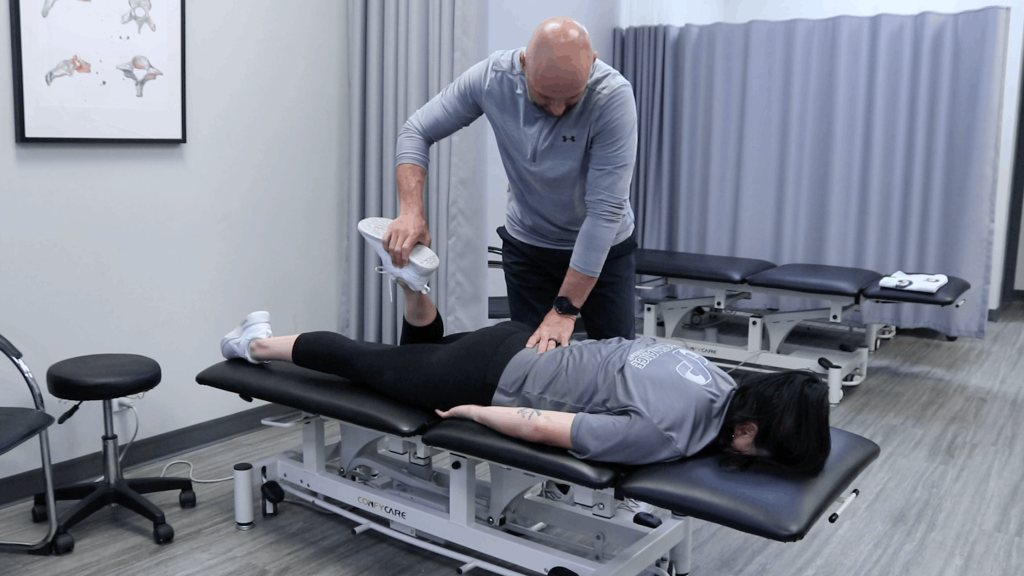
Your care begins with a detailed assessment of shoulder, elbow, wrist, spine, and hip mobility, strength, and throwing mechanics. We evaluate movement patterns, tissue tolerance, and load history to identify the primary pain drivers. Treatment may include manual therapy to improve joint and soft tissue mobility, progressive resistance training for rotator cuff and core stability, neuromuscular retraining for sequencing and timing, and graded return-to-throw programming. When appropriate, we integrate taping, mobility drills, and recovery strategies aligned with current rehabilitation standards to ensure a safe, performance-focused return.
Stone skimming competitions demand rapid trunk rotation, forceful shoulder internal rotation, and precise wrist snap, often repeated dozens or hundreds of times in practice. When mobility, strength, or timing are off even slightly, stress shifts to vulnerable tissues such as the rotator cuff, elbow tendons, or lumbar spine. Without proper recovery and progressive conditioning, microtrauma accumulates and performance declines. Understanding the specific mechanical and load-related causes of pain is the first step toward effective recovery.
The throwing motion in stone skimming combines high-velocity shoulder internal rotation with scapular control and forearm pronation. If the rotator cuff and scapular stabilizers cannot adequately centre the humeral head in the socket, excessive shear forces irritate tendons and the joint capsule. This commonly presents as rotator cuff tendinopathy, biceps tendon irritation, or impingement-type pain during the acceleration phase of the throw.
Generating optimal spin requires rapid forearm rotation and wrist flexion at release. Repeated loading without sufficient strength in the forearm flexor and extensor groups can lead to medial or lateral elbow pain similar to golfer’s or tennis elbow. Inadequate grip endurance or poor stone selection can further increase strain, leading to persistent tendon irritation and reduced throwing accuracy.
Power in stone skimming originates from the ground up. Limited hip mobility or poor trunk stability forces the lower back to compensate during rotation. This can overload lumbar facet joints and paraspinal muscles, resulting in stiffness, sharp pain with twisting, or lingering ache after competition. Without addressing hip and core mechanics, symptoms often recur.
Cold tissues and abrupt high-intensity throwing increase the risk of strain. Skipping dynamic warm-ups, underestimating cumulative throwing volume, or returning too quickly after a previous injury prevents proper tissue adaptation. Over time, this cycle of overload and insufficient recovery heightens the risk of chronic pain and prolonged time away from competition.
Working with a qualified chiropractor and physiotherapy team provides more than symptom relief. You receive a clear diagnosis, a structured strengthening plan targeting rotator cuff, scapular, core, and forearm endurance, and mobility work that restores efficient rotational mechanics. Objective testing guides progression so you regain throwing speed and control safely. The result is reduced pain during practice, improved spin consistency, better force transfer from hips to hand, and greater confidence returning to competition in Edmonton.
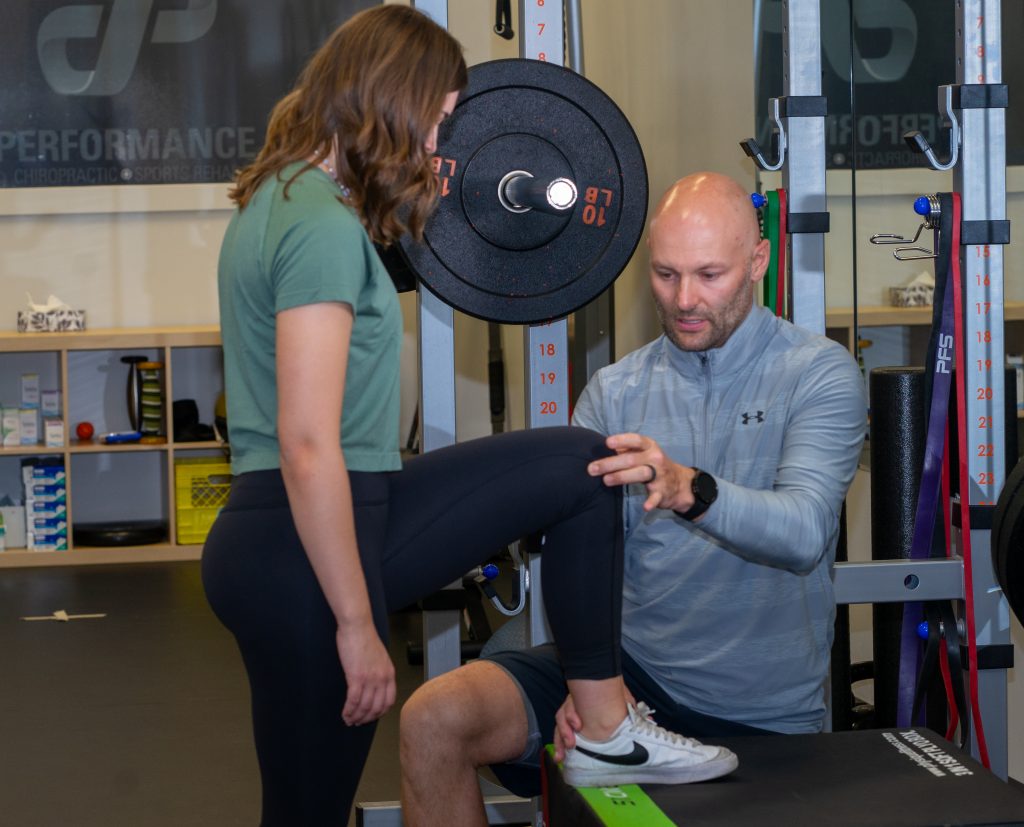
Timelines depend on the tissue involved and how long symptoms have been present. Mild tendon irritation may improve within a few weeks of structured rehab, while more persistent issues can require several months of progressive loading. Early assessment generally shortens recovery time and reduces the risk of recurrence.
In many cases, yes, but training volume and intensity must be modified. We guide you on which drills to continue, which to pause, and how to maintain conditioning without aggravating the injury. A graded return-to-throw plan helps you stay active while protecting healing tissues.
Most stone skimming injuries can be assessed clinically without immediate imaging. If your presentation suggests a significant tear, fracture, or other serious pathology, we will recommend appropriate medical referral. Otherwise, functional assessment and response to treatment typically guide care effectively.
Athletes often ask about cost, number of sessions, and whether prior experience with rehab is required. Treatment frequency depends on severity, goals, and competition timelines, and we outline a clear plan after your initial assessment. You do not need previous rehab knowledge; we coach each exercise and progression. Our focus is measurable improvement in pain, strength, and throwing capacity so you can return to the water prepared, not just pain-free.