

For military members, police, firefighters and high-performance athletes in Edmonton, pain is not just uncomfortable, it can threaten your role, readiness and career. This service is designed for tactical athletes who need more than basic rehab: you need a plan that understands load carriage, sprint demands, grappling, obstacle work and unpredictable operational stress. At Performance Chiropractor + Physiotherapy, we combine evidence-informed rehabilitation, sport-specific strength progressions and hands-on care to help you reduce pain, rebuild capacity and return to duty or competition with confidence. If your training has stalled or you are pushing through pain that is not resolving, this is your path back to durable performance.
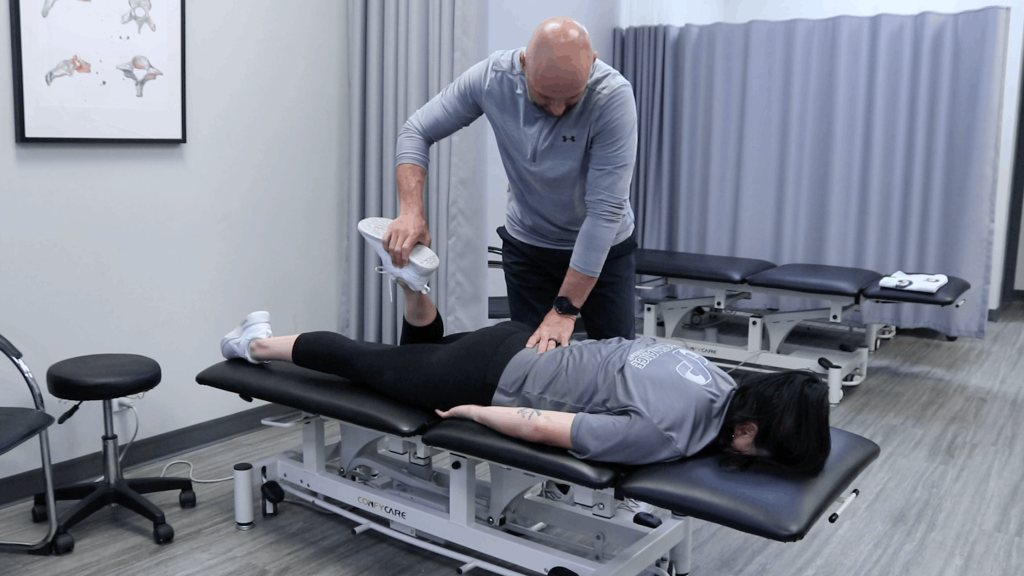
Care begins with a detailed assessment of injury history, training volume, occupational demands and current performance metrics. We evaluate joint mobility, strength ratios, movement patterns and load tolerance using functional testing relevant to your role. Treatment may include manual therapy to modulate pain and restore mobility, targeted strength and conditioning to build tissue capacity, and progressive energy system training tailored to operational demands. Programs are periodized, meaning load and intensity are adjusted systematically to avoid flare-ups while driving adaptation. We align our approach with current sports medicine and rehabilitation principles, emphasizing graded exposure, objective re-testing and clear return-to-duty criteria so progress is structured and accountable.
Tactical athletes face unique physical demands: high loads, repeated impact, awkward positions and limited recovery windows. When pain is ignored or managed with generic programs, small impairments can evolve into chronic injuries that reduce force production, mobility and decision-making under stress. Understanding the mechanisms behind common breakdowns is the first step in restoring resilient performance.
Rucking, body armour, tool belts and ballistic gear increase compressive and shear forces through the spine, hips and knees. When training volume or load progresses faster than the body adapts, tendons and joint surfaces become sensitized. Without graded exposure and strength work to increase tissue tolerance, conditions such as patellar tendinopathy, low back pain or hip impingement can persist and limit sprinting, lifting and prolonged standing.
Obstacle courses, grappling, defensive tactics and rapid changes of direction require coordinated mobility and trunk control. Restrictions in ankle dorsiflexion, thoracic rotation or hip internal rotation shift stress to other structures. Over time, this compensation pattern increases the risk of muscle strains, labral irritation or shoulder instability, particularly when fatigue sets in.
Standard rehabilitation often stops when pain decreases, not when performance markers are restored. Tactical roles require repeated sprint ability, heavy lifting and decision-making under load. If strength asymmetries, poor landing mechanics or reduced aerobic capacity are not addressed, the athlete returns to duty below baseline capacity and the same injury frequently recurs.
Persistent pain changes motor control patterns and increases protective muscle guarding. This can reduce stride length, lifting speed and reaction time. Psychologically, hesitation during cutting, jumping or contact reduces effectiveness in the field. A comprehensive recovery plan must address both physical impairments and graded exposure to feared movements.
Working with a qualified provider in Tactical Athlete Training Injury Recovery in Edmonton means progressing from symptom control to measurable performance outcomes. Athletes typically experience improved load tolerance, increased maximal and repeat strength, better joint range where needed and restored power in sprinting and jumping tasks. Objective testing, such as dynamometry, hop testing or movement analysis, guides progression so you can see tangible improvements. The end result is not only reduced pain but greater resilience to the demands of rucking, grappling, lifting and high-intensity intervals, allowing you to return to training or duty with fewer setbacks.
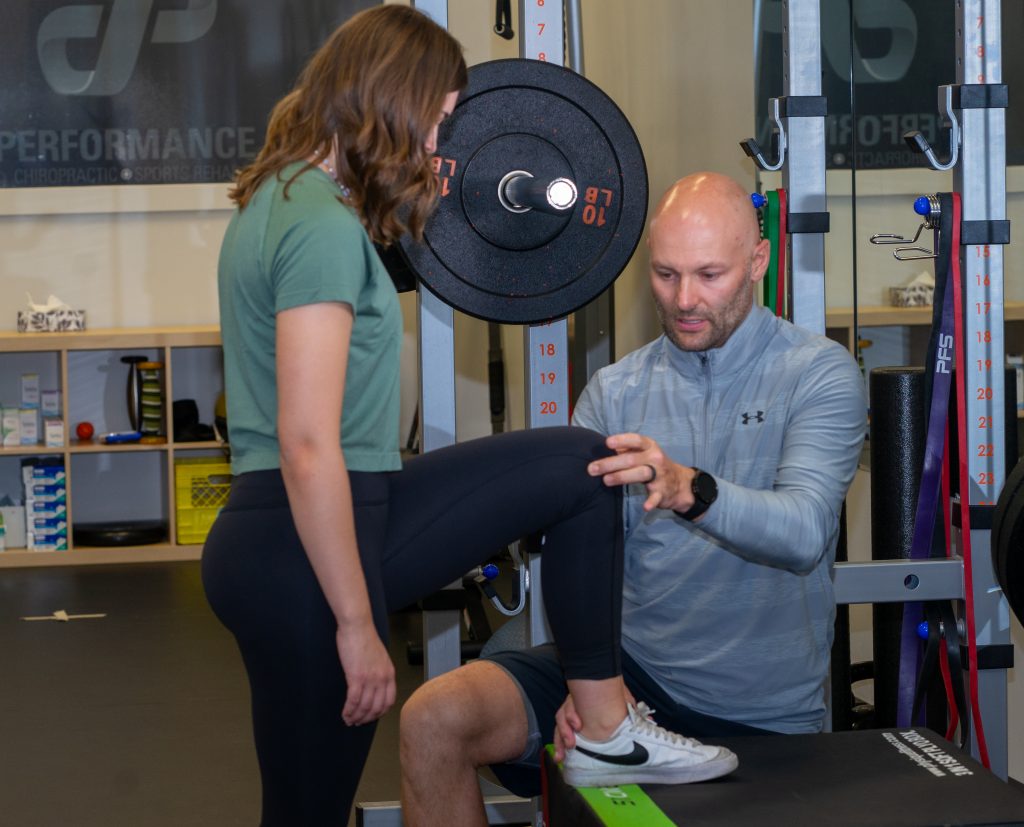
Timelines depend on the severity and duration of the injury, your training history and how consistently you follow the plan. Minor strains may improve within several weeks, while chronic tendon or joint issues can require a few months of progressive loading. We outline expected phases early on and re-assess regularly to adjust the plan.
In most cases, yes. Rather than complete rest, we modify volume, intensity or movement selection to maintain conditioning without aggravating the injury. This approach preserves fitness and supports a smoother return to full operational demands.
A referral is not typically required to begin care. Imaging is considered if your presentation suggests structural concerns that would change management. Many musculoskeletal injuries can be assessed and treated effectively through a thorough clinical evaluation.
Most athletes begin with a comprehensive assessment followed by a structured plan that includes in-clinic sessions and individualized home or gym programming. Costs reflect the time, expertise and ongoing reassessment required to restore high-level performance, and we are transparent about frequency and duration from the outset. You can expect clear communication, objective progress markers and collaboration around your training schedule. If you are ready to move beyond temporary pain relief and build durable capacity for your role in Edmonton, booking an initial assessment is the first practical step.