

Trail Orienteering Injury Recovery in Edmonton is designed for athletes who train and compete on uneven terrain and are dealing with pain, recurring setbacks, or stalled rehab. At Performance Chiropractor + Physiotherapy, we combine sport-specific assessment with evidence-based chiropractic and physiotherapy care to address the true mechanical causes of your injury, not just the symptoms. Whether you are managing an ankle sprain, knee pain on descents, or persistent hip and low back tightness, our goal is to restore strength, control, and confidence so you can return to competition safely. Book an assessment and start moving forward with a clear recovery plan.

Your care begins with a detailed assessment of injury history, training load, footwear, and terrain exposure, followed by movement analysis including single-leg balance, squat and step-down mechanics, and gait or running assessment when appropriate. We evaluate joint mobility, muscle strength, tendon capacity, and neuromuscular control to identify the primary drivers of pain. Treatment may include manual therapy to restore mobility, targeted exercise progression to build strength and tendon resilience, proprioceptive and balance drills on unstable surfaces, and graded return-to-run programming. We align our approach with current sports medicine and rehabilitation principles, emphasizing progressive overload, tissue healing timelines, and objective re-testing to guide safe return to sport.
Trail orienteering places unique demands on the body: rapid changes in direction, uneven ground, off-camber slopes, and prolonged time on your feet while navigating. These variables create complex loading patterns through the feet, ankles, knees, hips, and spine. Without targeted conditioning and recovery, small mechanical faults can evolve into persistent pain or performance-limiting injuries.
Uneven trails require constant micro-adjustments at the ankle and foot. When fatigue sets in, proprioception and peroneal muscle reaction time decrease, increasing the risk of inversion sprains. Inadequate rehabilitation after a previous sprain often leaves residual ligament laxity and poor neuromuscular control, which can lead to chronic ankle instability, plantar fasciopathy, or stress reactions in the foot if not properly addressed.
Downhill running and traversing side slopes increase eccentric load on the quadriceps and compressive forces at the patellofemoral joint. If hip abductors and external rotators are weak or poorly coordinated, the knee may collapse inward under load, contributing to patellofemoral pain syndrome or iliotibial band irritation. Over time, repetitive strain without corrective strengthening can turn intermittent discomfort into persistent inflammation and reduced performance.
Navigating technical terrain demands trunk rotation, lateral flexion, and rapid acceleration. Limited hip mobility or poor lumbopelvic control shifts stress into the low back. Athletes often compensate with excessive lumbar extension or rotation, leading to facet joint irritation, muscle guarding, or recurrent strains. Without correcting these movement patterns, symptoms frequently return as training volume increases.
Training blocks leading up to events often involve increased mileage and intensity. Sudden changes in load, footwear, or terrain can exceed tissue capacity, contributing to tendinopathy in the Achilles or patellar tendon, medial tibial stress syndrome, or stress fractures. Early pain is sometimes ignored, allowing minor tissue irritation to progress into more serious injury requiring prolonged time away from sport.
With Trail Orienteering Injury Recovery in Edmonton, you receive a plan tailored to the biomechanics and energy demands of your sport. By combining hands-on care to reduce pain with progressive strength, balance, and plyometric training, we help restore joint mobility, improve force absorption, and retrain proprioception. The result is not just symptom relief, but measurable improvements in stability on uneven terrain, stronger downhill control, more efficient stride mechanics, and greater confidence returning to full training and competition.
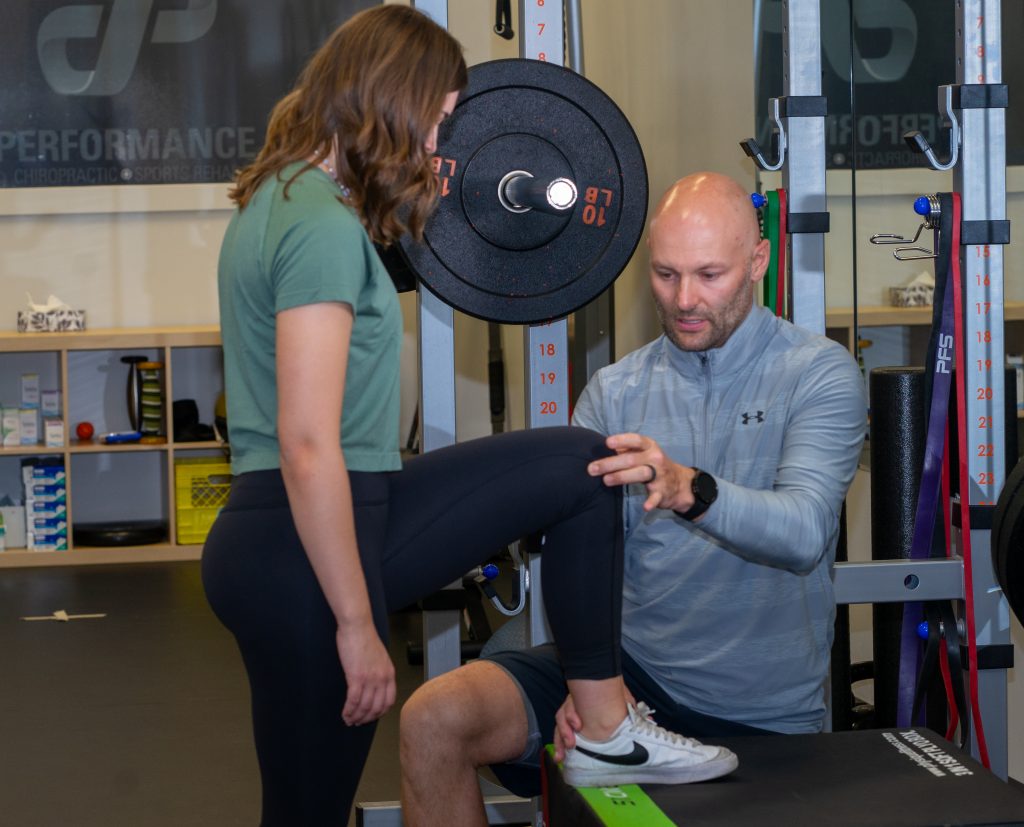
Timelines depend on the specific tissue involved, the severity of injury, and how early care begins. Mild sprains or overuse irritation may improve within a few weeks with consistent rehab, while more significant tendon injuries or stress reactions can require several months of structured progression. We provide a realistic timeline after assessment and adjust based on objective progress.
In many cases, yes. Rather than complete rest, we modify load to protect healing tissue while maintaining fitness. This may include cross-training, reduced mileage, or controlled terrain exposure. The goal is to maintain conditioning without aggravating the injury.
Not always. A thorough clinical assessment often identifies the source of pain and guides initial treatment. If red flags or suspected fractures are present, we will recommend appropriate imaging through your physician. We prioritize evidence-based decision-making to avoid unnecessary tests while ensuring safety.
If pain is limiting your training or competition, early intervention can prevent long-term setbacks. At Performance Chiropractor + Physiotherapy in Edmonton, we focus on identifying root mechanical issues, restoring strength and mobility, and guiding a structured return to trail performance. Reach out to discuss your goals and take the next step toward resilient, confident movement on any terrain.