

Trap Shooting Injury Treatment in Edmonton is designed for competitive and recreational shooters who are dealing with shoulder, neck, back, or elbow pain that interferes with performance. At Performance Chiropractor + Physiotherapy in Edmonton, we understand the unique physical demands of repetitive mounting, recoil absorption, and rotational loading. Our evidence-informed approach targets the mechanical causes of pain, restores efficient movement patterns, and helps athletes return to consistent, confident shooting. If pain is affecting your training or scores, our team is ready to help you recover and perform at your best.
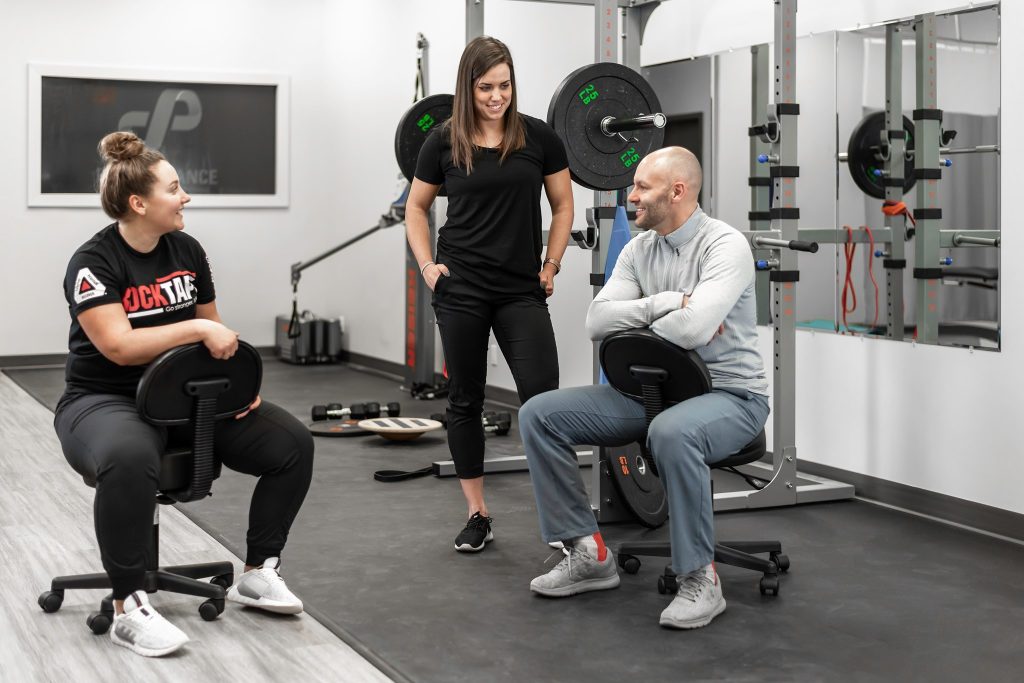
At Performance Chiropractor + Physiotherapy, care begins with a detailed assessment of posture, range of motion, strength, and shooting-specific mechanics. We analyze joint mobility, scapular control, core stability, and hip rotation to identify contributing factors. Treatment may include manual therapy such as joint mobilizations and soft tissue techniques, progressive strength and conditioning for the rotator cuff and trunk, motor control retraining, and load management strategies. We integrate sport-specific drills that simulate mounting and recoil patterns, ensuring rehabilitation translates directly to performance. Throughout care, progress is measured and programs are adjusted based on objective findings and your competition schedule.
Trap shooting places asymmetric, repetitive loads on the body. Over time, small mechanical faults in technique, mobility restrictions, or strength imbalances can accumulate into persistent pain or reduced control. Understanding the specific drivers of these injuries is the first step toward effective rehabilitation and prevention.
Each shot generates recoil forces that travel through the shotgun into the shoulder girdle. When the rotator cuff and scapular stabilizers are fatigued or weak, force is absorbed by passive structures such as the labrum, joint capsule, and acromioclavicular joint. This can contribute to rotator cuff tendinopathy, bursitis, or joint irritation, especially during high-volume training.
Maintaining a fixed head position while tracking targets creates sustained contraction in the cervical extensors and upper trapezius. Limited thoracic spine mobility forces the neck to compensate for rotation, increasing joint compression and muscle tension. Over weeks or months, this can lead to cervicogenic headaches, facet joint irritation, and persistent stiffness.
Trap shooting requires controlled trunk rotation and weight transfer. If hip rotation is restricted, rotational demand shifts to the lumbar spine, which is not designed for repeated high-velocity rotation. This compensation pattern can irritate lumbar joints, strain paraspinal muscles, and create recurring low back pain during or after events.
Firm grip and repeated trigger use load the forearm flexors and extensors. Poor wrist alignment or excessive gripping force can contribute to medial or lateral elbow tendinopathy. Without targeted treatment, these conditions may progress from mild soreness to persistent pain that reduces accuracy and endurance.
Working with a qualified provider helps identify the true mechanical source of pain rather than masking symptoms. By restoring shoulder stability, improving thoracic and hip mobility, and optimizing neuromuscular control, athletes often experience smoother gun mounting, better recoil management, and less post-training soreness. The outcome is not only pain reduction but also improved consistency, endurance during competitions, and confidence in movement under pressure.
Timelines depend on the severity and duration of symptoms. Mild overuse irritation may improve within a few weeks with guided rehab and load modification, while chronic tendon or joint issues can require a structured program over several months. Consistency with exercises and appropriate training adjustments significantly influence recovery speed.
Not always. In many cases, we modify volume, frequency, or technique rather than eliminating training. Strategic load management allows tissues to recover while maintaining skill. If symptoms are severe, a short period of relative rest may be recommended before gradually returning to full participation.
Yes. Treatment is tailored to the biomechanics of trap shooting, including stance, mount mechanics, and recoil absorption. Addressing sport-specific movement patterns helps prevent recurrence and supports long-term performance rather than providing only temporary symptom relief.
Athletes often ask about cost, preparation, and what to expect. Fees vary depending on assessment and treatment length, and we outline a clear plan after your initial evaluation. Wear comfortable clothing that allows shoulder and hip movement for testing. Most sessions combine hands-on care with guided exercise, and you will receive a customized home program to reinforce progress. Our goal in Edmonton is to help you return to shooting with less pain, better mechanics, and a sustainable strategy to stay healthy throughout the season.