

Underwater rugby demands explosive power, breath control, full-contact grappling and constant shoulder and hip loading beneath the surface. If you are an Edmonton athlete dealing with shoulder pain, ear pressure issues, rib strain, neck stiffness or hip impingement after training or competition, this focused rehabilitation service is built around the unique biomechanics and risks of your sport. At Performance Chiropractor + Physiotherapy, we combine sport-specific assessment, evidence-based rehab and performance-driven progression to get you back in the pool safely and confidently. Book an assessment and start a clear, structured path back to play.
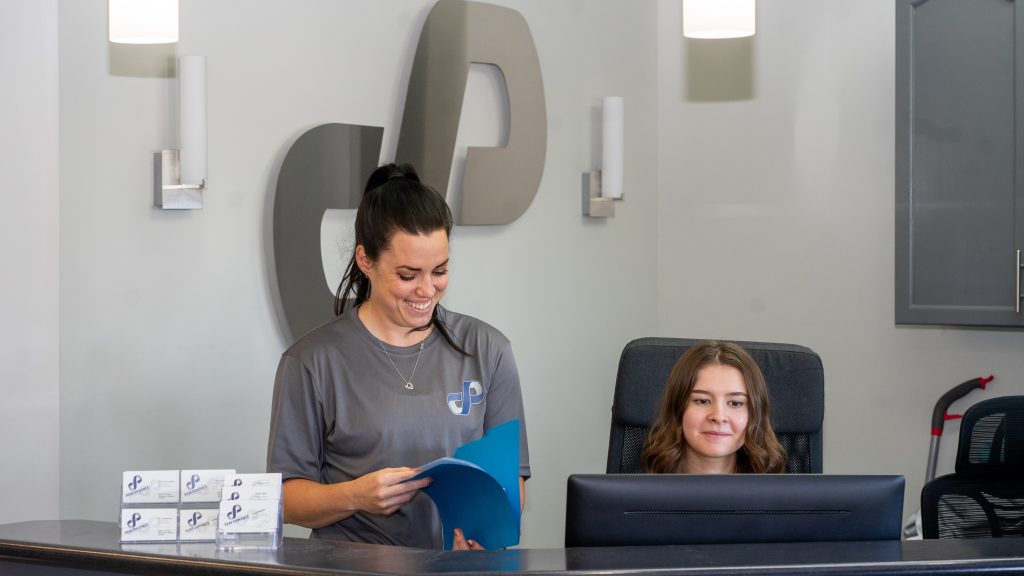
Your care begins with a detailed assessment of injury history, current symptoms and sport demands, including analysis of shoulder mechanics, hip mobility, cervical stability and breathing patterns. We use orthopaedic testing, functional strength assessment and movement analysis to identify the primary pain generators and contributing factors. Treatment may include hands-on therapy to restore joint mobility, targeted exercise to strengthen rotator cuff and scapular stabilizers, progressive hip and core loading, and neuromuscular training for neck control. As pain decreases, we integrate conditioning that mirrors underwater rugby demands, including resisted patterns, breath-control intervals and return-to-play criteria based on strength symmetry and symptom response, ensuring progression aligns with best-practice sports rehab principles.
Underwater rugby places the body in a rare combination of environments: horizontal immersion, breath-hold diving and full-contact resistance in three dimensions. The water reduces impact but increases drag, while players fight for position and control of the ball at depth. This creates specific stress patterns that, if not addressed properly, can lead to recurrent pain, prolonged time out of sport and compensations that affect performance.
Frequent overhead reaching, forceful internal rotation during ball handling and prolonged isometric gripping against opponents place high demand on the rotator cuff and scapular stabilizers. Over time, this can contribute to subacromial irritation, labral strain or biceps tendon overload. Inadequate scapular control or thoracic mobility often amplifies joint stress, making symptoms persist without targeted rehabilitation.
Breath-hold diving and forceful exhalation under pressure load the intercostal muscles and diaphragm in ways not common in land-based sports. Combined with twisting during tackles, athletes may develop rib dysfunction, intercostal strain or anterior chest wall pain. If untreated, altered breathing mechanics can reduce endurance and increase neck and shoulder tension.
Collisions and grappling below the surface can transmit force through the head and neck, particularly when vision is limited. Even without a diagnosed concussion, athletes may experience neck stiffness, headaches or dizziness related to cervical joint and soft tissue irritation. Poor neck strength and motor control increase vulnerability to recurrent symptoms.
Explosive hip flexion and adduction during finning, combined with sudden direction changes and resisted kicking, load the adductors and hip flexors heavily. Repetitive strain can contribute to groin pain, hip impingement symptoms or reduced kick power. Weak lateral hip stabilizers or limited hip rotation often underlie ongoing issues.
With a qualified provider, rehabilitation is not just about pain relief; it is about correcting the mechanical and load-management factors that caused the problem. Athletes typically gain improved shoulder stability, stronger and more coordinated hip drive, better breath control under exertion and enhanced neck resilience in contact. By progressing from pain control to sport-specific strength and pool-transfer drills, you return to play with measurable improvements in control, power and confidence, reducing the likelihood of repeat injury.
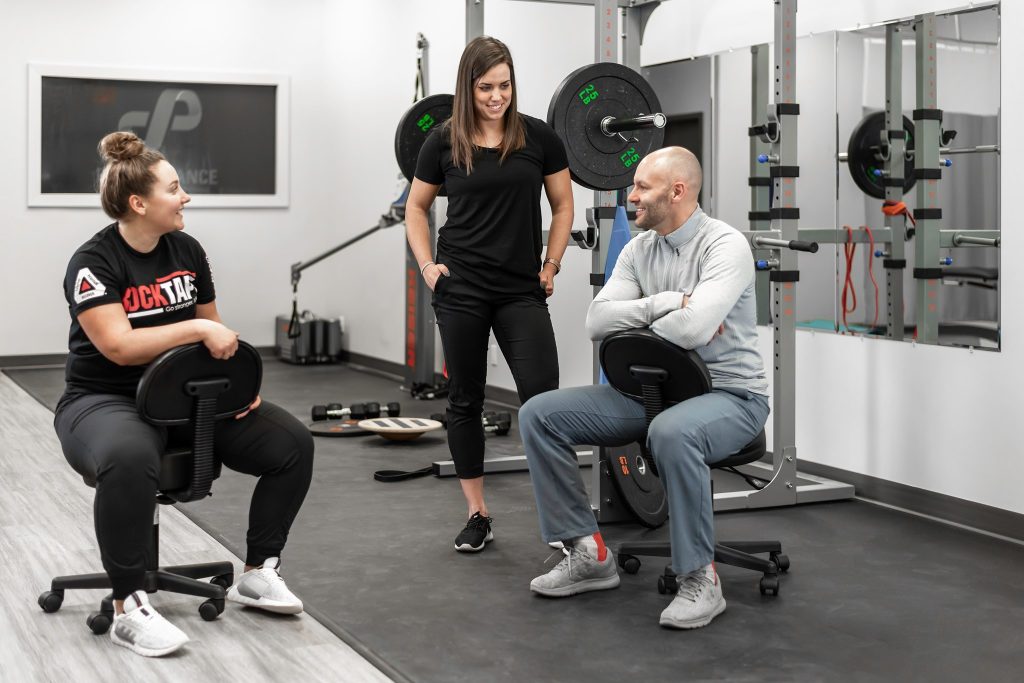
Timelines depend on the specific tissue involved, severity and how consistently you complete your program. Mild muscle strains may improve within a few weeks, while tendon or labral-related issues can require a longer, progressive loading plan. We outline clear phases and criteria so you understand what milestones must be met before full contact.
In many cases, a thorough clinical assessment provides enough information to begin treatment safely and effectively. If red flags or signs of more complex injury are present, we coordinate with your physician for appropriate imaging. Starting guided rehab early often prevents deconditioning and chronic pain patterns.
Often, yes, with modifications. We help you adjust intensity, contact exposure and specific movements to protect healing tissue while maintaining conditioning. This balanced approach supports recovery without unnecessary time completely out of the water.
Athletes often ask about cost, frequency and what to expect at sessions. Treatment plans are individualized based on injury complexity and performance goals, and we discuss visit frequency and home programming clearly from the start. Sessions combine assessment, hands-on care where appropriate and guided exercise, with regular re-evaluation to track progress. If you are serious about returning to underwater rugby in Edmonton stronger and more resilient, a structured, sport-specific plan with Performance Chiropractor + Physiotherapy provides the clarity and direction you need.