

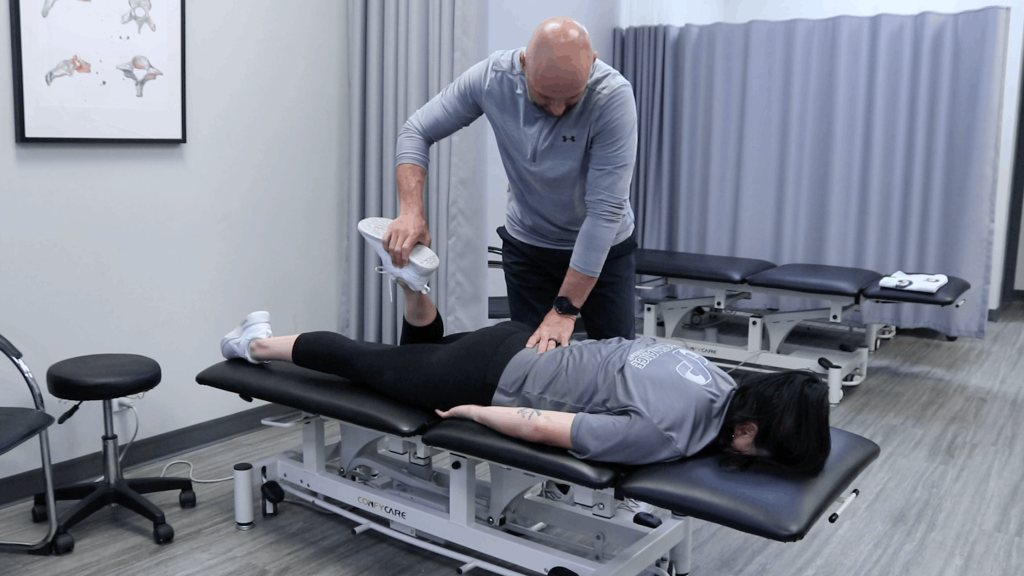
Care begins with a detailed assessment of injury history, arm wrestling technique, joint mobility, strength balance, and neural function. Treatment may include manual therapy to improve tissue mobility, targeted exercise therapy to progressively load tendons and muscles, and neuromuscular training to refine joint control under rotational stress. Rehabilitation plans are adjusted based on response to loading, using pain and performance markers to guide progression in line with current sports rehab principles.
Arm wrestling places extreme torsional and compressive forces through the elbow, forearm, shoulder, and cervical spine that exceed those seen in most field or gym sports. Injuries often arise when connective tissues are exposed to high loads without adequate conditioning, recovery, or technical control, leading to cumulative microtrauma or acute overload during a match.
The common flexor and extensor tendons at the elbow are frequently strained by repeated maximal pulling and gripping. Without proper load management, these tissues can develop tendinopathy, where the tendon structure weakens and becomes painful, reducing force transfer and making further injury more likely.
Arm wrestling requires sustained internal rotation and side pressure at the shoulder and elbow. This can stress the ulnar collateral ligament, radiocapitellar joint, and shoulder capsule, particularly when technique breaks down or fatigue sets in, increasing the risk of instability or cartilage irritation.
The ulnar and radial nerves can become irritated by swelling, muscle tightness, or prolonged compression during training. Athletes may notice tingling, weakness, or pain radiating into the forearm or hand, which can impair grip strength and coordination.
Continuing to train through pain or returning too soon after injury can delay healing and create compensatory patterns. Over time, this increases the likelihood of chronic pain, performance plateaus, or more severe tissue damage that requires longer rehabilitation.
Working with a qualified provider allows athletes to calm irritated tissues while progressively rebuilding strength, endurance, and joint control specific to arm wrestling positions. The goal is not just symptom relief, but measurable improvements in pulling power, grip tolerance, and confidence during matches and training.
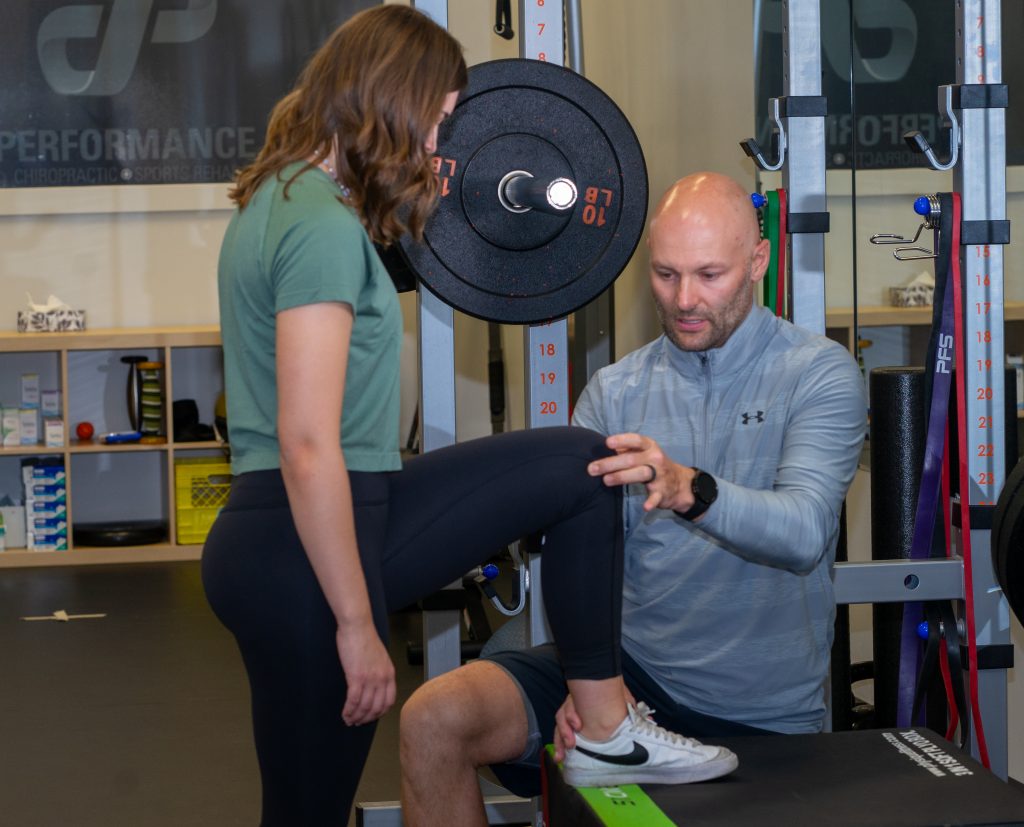
Many athletes wonder about cost, commitment, and whether professional care is necessary. Fees generally reflect assessment time and ongoing sessions, and no referral is typically required. If pain is limiting training, grip strength, or daily activities, or if symptoms persist despite rest, guided rehabilitation offers a structured and safer path back to performance than trial-and-error self-management.