

This specialized rehabilitation service supports Edmonton artistic cycling athletes dealing with pain, overuse injuries, or setbacks after crashes or failed landings. It focuses on restoring precise control, balance, and power needed for high-skill routines while protecting joints and reducing reinjury risk. Care is designed for riders who need more than generic rehab and want a structured path back to confident training and competition. Book an assessment to understand what is holding you back and how targeted care can help.
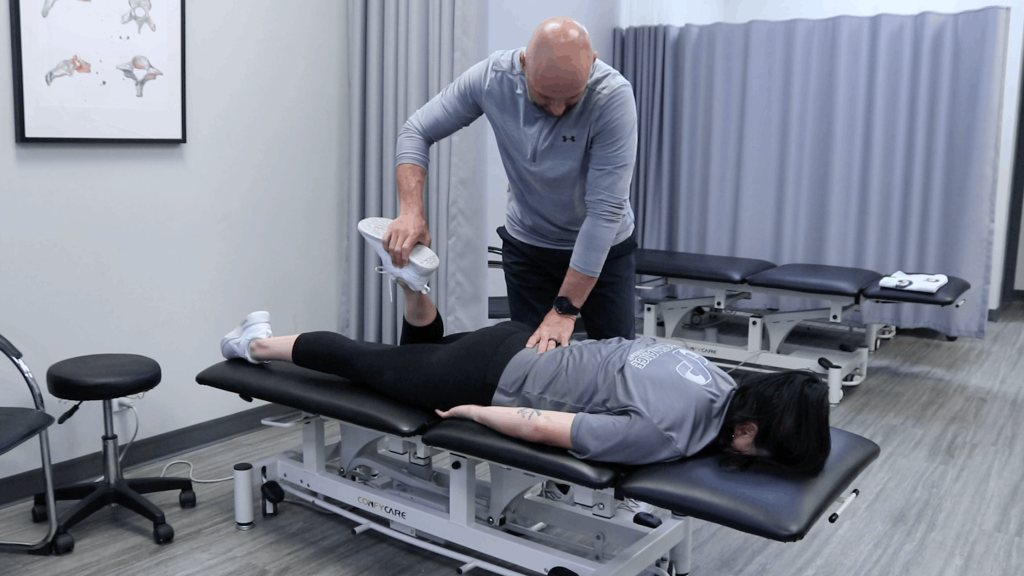
Care typically begins with a detailed assessment of injury history, riding style, and specific skills that provoke symptoms. Physical examination focuses on joint mobility, muscle activation, balance, and load tolerance relevant to artistic cycling. Treatment may combine manual therapy to address joint and soft tissue restrictions, targeted therapeutic exercise to rebuild strength and control, and movement retraining that links off-bike rehab to on-bike demands. Progressions are guided by symptom response and functional testing rather than timelines alone, aligning with evidence-based physiotherapy and chiropractic standards used in Canada.
Artistic cycling places unique physical demands on the body, combining repetitive pedalling with static holds, spins, jumps, and inverted positions. These stresses often accumulate silently until pain or performance loss forces time off. Understanding the mechanisms behind common issues helps athletes appreciate why structured recovery is critical.
Many skills require prolonged spinal flexion, extension, and rotation while balancing on a narrow base of support. Over time, this can irritate facet joints, discs, and deep stabilizing muscles, leading to low back pain that worsens during mounts, spins, or backward riding.
Handstands, shoulder-supported elements, and sudden grip corrections place high loads through the wrists, elbows, and shoulders. Without adequate strength and tissue tolerance, tendons and joint capsules can become inflamed, limiting control and increasing the risk of falls.
Artistic cycling routines often favour one direction of rotation or one lead leg. This creates imbalances in hip strength, core control, and mobility, which can alter mechanics and shift stress to vulnerable areas such as the knees or sacroiliac joints.
Minor crashes are common and may seem harmless, but even low-speed impacts can cause joint sprains or subtle movement changes. Training through unresolved pain can delay healing and turn a manageable injury into a chronic problem.
Working with a qualified provider helps athletes reduce pain while rebuilding the precise strength, mobility, and neuromuscular control their sport demands. Effective recovery supports cleaner execution of skills, improved balance on the bike, and confidence during complex routines, all while lowering the likelihood of recurring injuries.
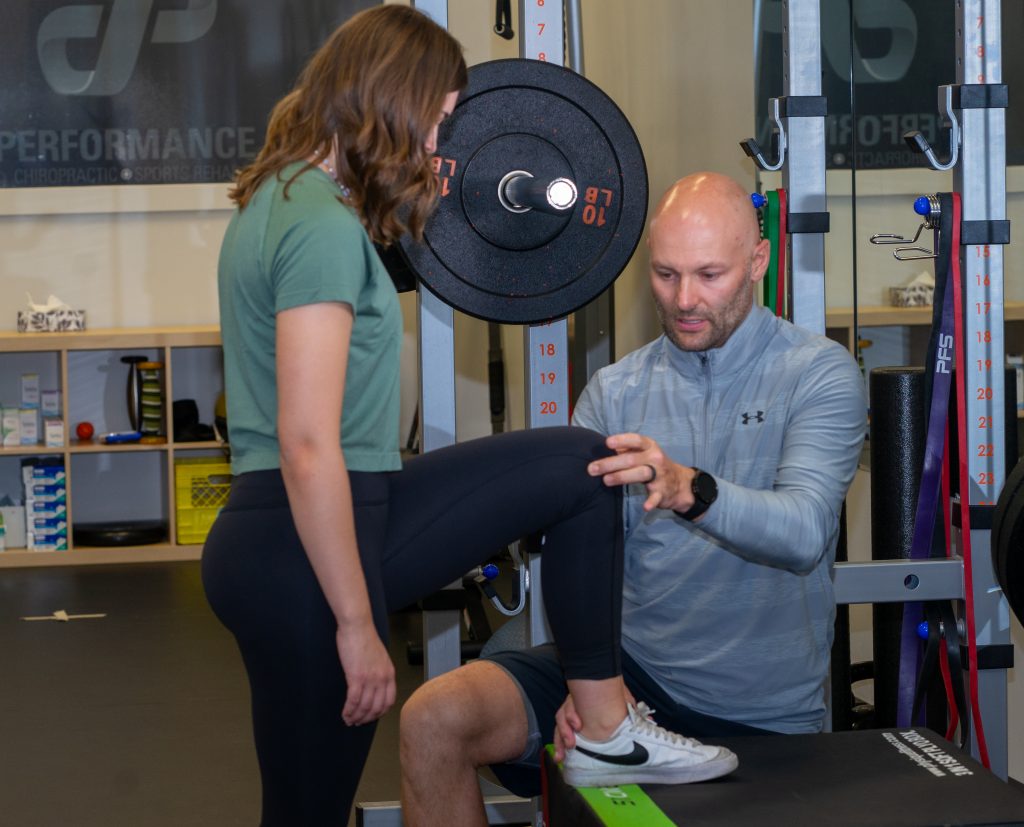
Yes. While it uses the same clinical foundations, it places greater emphasis on balance, fine motor control, and sport-specific loading patterns unique to artistic cycling. This helps ensure gains transfer directly to riding performance.
Timelines vary depending on the injury, how long symptoms have been present, and training demands. Some athletes notice improvement within a few sessions, while more complex or long-standing issues may require several weeks of progressive care.
In many cases, modified training is encouraged. Your provider will help identify which skills or volumes are safe to continue and which should be temporarily adjusted to allow healing without unnecessary deconditioning.
Athletes often wonder about cost, commitment, and readiness to start. Fees generally reflect the length and complexity of sessions rather than fixed packages, and no referral is usually required to begin care. Expect an active approach that includes home exercises and clear guidance on load management. Choosing experienced professional support in Edmonton can make the difference between repeated setbacks and a confident return to artistic cycling.