

Targeted assessment, pain relief, and performance-focused rehab for artistic swimmers in Edmonton who are training through demanding routines, water-based strength work, and competition schedules. This service addresses overuse pain, acute injuries, and technique-related strain with coordinated chiropractic and physiotherapy care designed to help athletes return to the pool stronger and more confident. Book an assessment to get a clear plan that fits your season.

Care begins with a detailed assessment of movement, strength, joint mechanics, and training history. Treatment may include manual therapy for joints and soft tissues, progressive exercise rehabilitation, and load-management strategies aligned with practice schedules. Video or movement analysis can be used to identify contributing patterns, while return-to-sport planning focuses on gradually restoring endurance, power, and control using evidence-informed physiotherapy and chiropractic methods.
Artistic swimming places unique demands on the body due to prolonged breath-holds, repetitive overhead movements, eggbeater kicking, and high spinal extension under load. When pain or dysfunction develops, it often reflects a combination of technique stress, training volume, and insufficient recovery rather than a single incident, making targeted injury care essential.
Sculling, lifts, and arm propulsion place continuous stress on the shoulder complex, particularly the rotator cuff and scapular stabilizers. Without adequate strength balance and control, swimmers may develop tendinopathy, impingement-like symptoms, or loss of power that worsens with training intensity.
Vertical body positions and choreography often require prolonged lumbar extension while stabilizing against water resistance. Over time, this can irritate facet joints, strain paraspinal muscles, or contribute to disc-related pain, especially during growth spurts or heavy training blocks.
The repetitive circular kicking motion demands high hip mobility and strength. Poor load tolerance or asymmetry can lead to adductor strains, hip flexor irritation, or deep hip pain that limits height, stability, and endurance in the water.
Training through pain can alter movement patterns and increase compensatory stress on other joints. Without proper injury management, minor issues can progress into persistent pain, reduced performance, and longer time away from competition.
Working with a qualified provider helps athletes reduce pain, restore joint and muscle function, and rebuild sport-specific strength. Care is tailored to the technical demands of artistic swimming, supporting safer training progression, improved body control in the water, and greater confidence during routines.
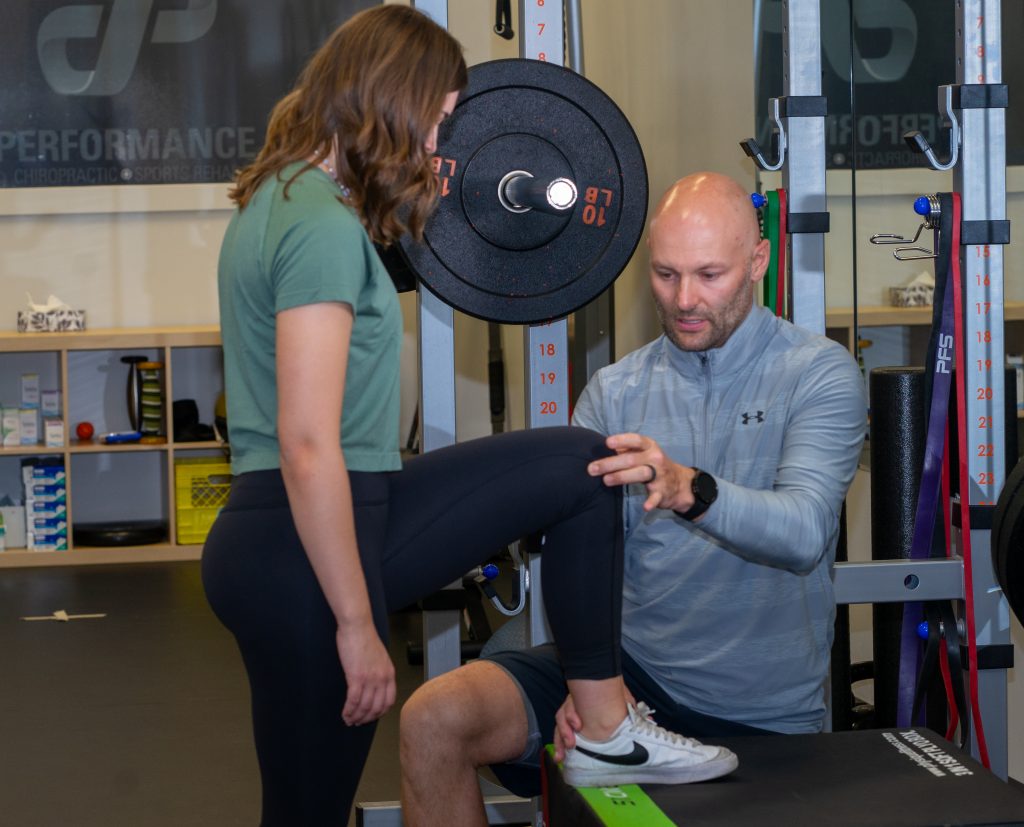
Timelines vary based on the type and severity of injury, training volume, and how early care begins. Mild overuse issues may improve within weeks, while more complex conditions require a longer, staged rehabilitation plan coordinated with coaching demands.
Not always. Many athletes can continue modified training while addressing the underlying issue. The goal is to reduce aggravating loads while maintaining fitness and skills whenever it is safe to do so.
Yes. Injury care can be adapted for developing athletes as well as high-level competitors, with attention to growth-related factors, recovery capacity, and competition schedules.
Athletes often ask about cost, session frequency, and what to expect at the first visit. Treatment plans are individualized, with fees based on time and services provided rather than fixed packages. An initial assessment focuses on understanding your injury, goals, and season timeline so care can be planned realistically and transparently.