

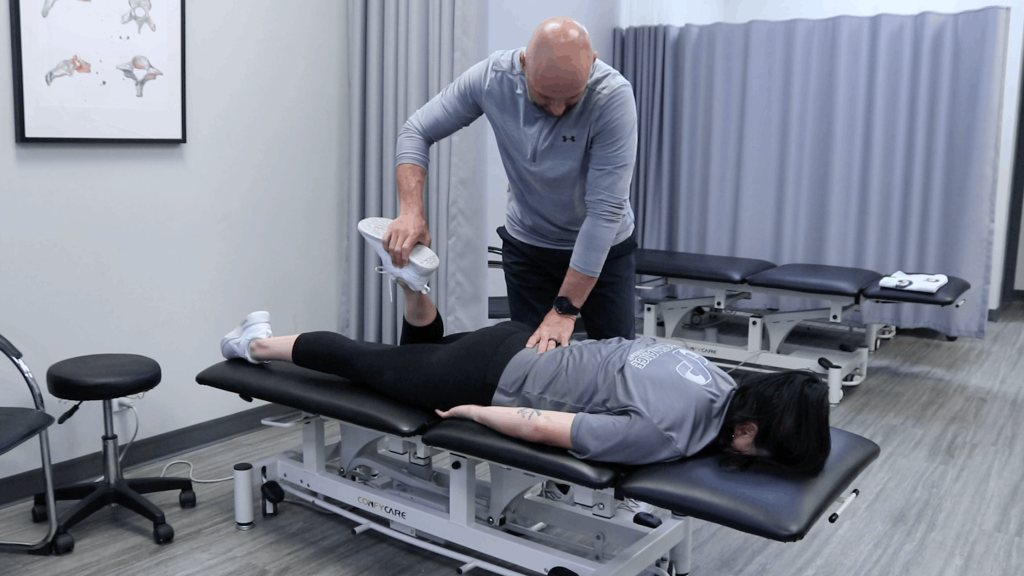
The process begins with a detailed assessment of running history, race demands, and current symptoms, followed by movement analysis and physical testing. Treatment may include manual therapy, progressive strength and loading programs, mobility work, and return-to-run planning based on tissue healing principles. Tools such as gait assessment, functional testing, and evidence-informed rehab protocols guide progression while respecting individual recovery rates.
Backyard Ultra events place unique stress on the body because athletes repeat the same loop until failure, often accumulating far more time on feet than in standard ultras. The combination of sleep deprivation, repetitive terrain, and limited recovery between laps increases tissue fatigue and reduces neuromuscular control, making small inefficiencies turn into significant injuries. Understanding these mechanisms is key to effective recovery.
Unlike single-effort races, the repeated laps of a Backyard Ultra load the same muscles, tendons, and joints in identical patterns for hours or days. As tissues fatigue, their ability to absorb force drops, increasing strain on structures like the Achilles tendon, plantar fascia, knees, hips, and lower back.
As fatigue and sleep loss set in, running form often changes without the athlete realizing it. Reduced stride control, trunk stability, or hip engagement can overload specific areas, contributing to issues such as knee pain, hip flexor strain, or lumbar irritation that persist after the event.
Short rest windows limit refuelling, mobility work, and tissue recovery. Over time, this leads to reduced circulation and delayed healing, increasing the risk of muscle strains, joint irritation, or stress-related injuries that do not resolve on their own.
Backyard Ultra culture rewards pushing through discomfort, but early pain signals often indicate excessive load or poor tolerance. Continuing without assessment can turn manageable soreness into chronic tendinopathy or longer-term setbacks.
Working with a qualified provider helps athletes identify the specific tissues and movement patterns affected by extreme endurance racing. The outcome is not just pain reduction, but restored load tolerance, improved efficiency, and a clearer timeline back to running, reducing the chance of repeat injury during future ultra events.
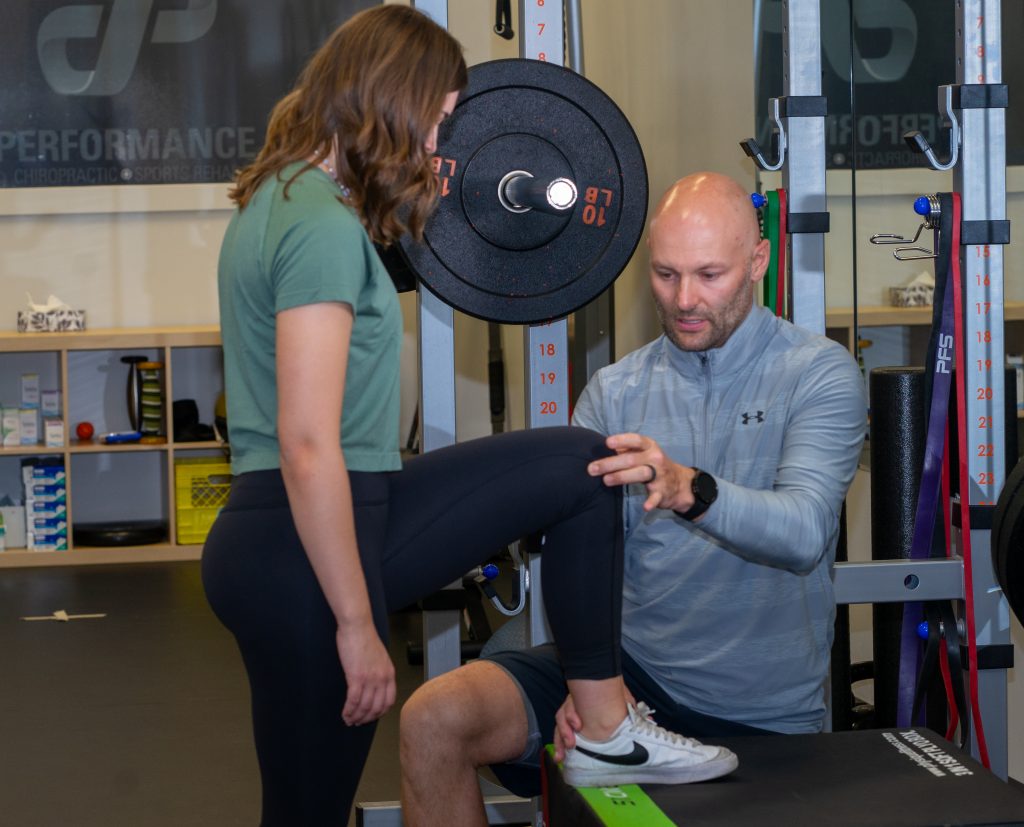
Athletes often worry about cost, time commitment, or being told to stop training entirely. This service focuses on efficient, goal-oriented care that fits around training demands, prioritizes education and self-management, and supports informed decisions about recovery so you can return to endurance sport with confidence.