

Targeted physiotherapy for barrel racers in Edmonton who need relief from pain, faster recovery, and a safe return to competition, addressing the physical demands of high-speed turns, sudden deceleration, and repetitive riding stress with sport-specific care designed to keep you performing confidently; book an assessment to start rebuilding strength and control.
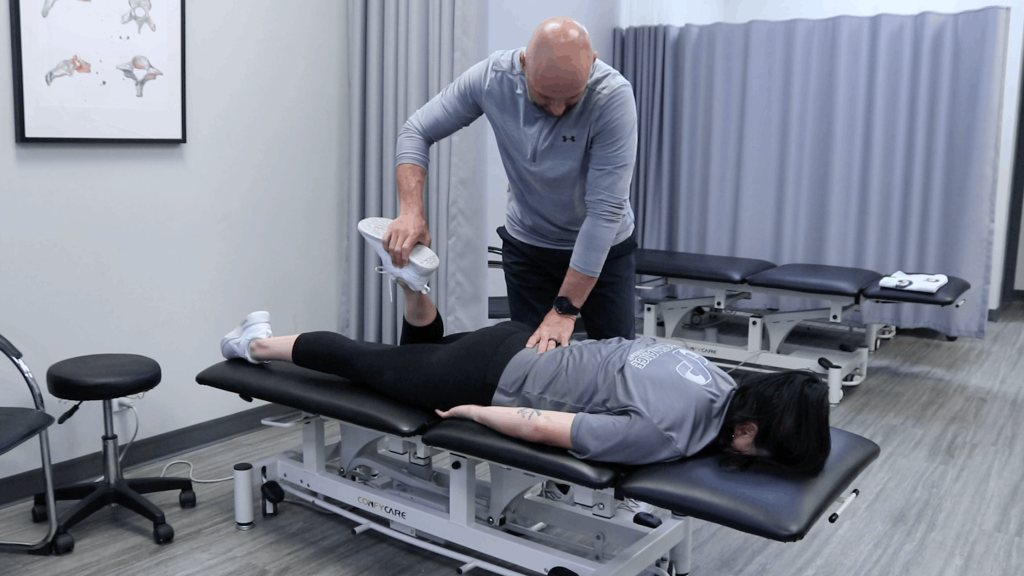
Care begins with a detailed assessment of riding history, injury background, movement patterns, and functional strength. Treatment may include manual therapy to restore joint and soft tissue mobility, progressive exercise therapy to rebuild strength and endurance, and neuromuscular training to improve balance and reaction under load. Education on warm-up strategies, recovery, and riding posture is integrated, using evidence-based physiotherapy standards to guide safe progression back to training and competition.
Barrel racing places unique forces on the body due to explosive acceleration, tight turns around barrels, and rapid transitions between flexion, rotation, and extension. Riders absorb impact through the hips, spine, knees, and shoulders while maintaining balance on a moving horse, which can overload joints and soft tissues when training volume increases or recovery is insufficient.
The combination of speed and sharp turns creates rotational torque through the lumbar spine, pelvis, and hips. Over time this can contribute to facet joint irritation, disc-related pain, hip labral strain, or muscular imbalances that reduce control and increase pain during riding and daily activities.
Posting, bracing in the stirrups, and absorbing ground reaction forces can strain the knees and ankles. Tendon irritation, patellofemoral pain, and ankle instability may develop, especially if alignment or strength deficits are present.
Maintaining rein tension and stabilizing the upper body at speed demands sustained shoulder and core engagement. This can lead to rotator cuff overload, neck tension, or mid-back stiffness that affects posture and reaction time.
Unexpected horse movement or missed timing around a barrel can result in falls or abrupt stops. These incidents increase the risk of sprains, strains, and impact injuries that require structured rehabilitation rather than rest alone.
Working with a qualified provider helps identify the exact movement faults and tissue limitations contributing to pain, allowing treatment to reduce symptoms while improving strength, mobility, and coordination specific to riding. The outcome is better control in the saddle, quicker recovery between runs, and lower risk of recurring injury.
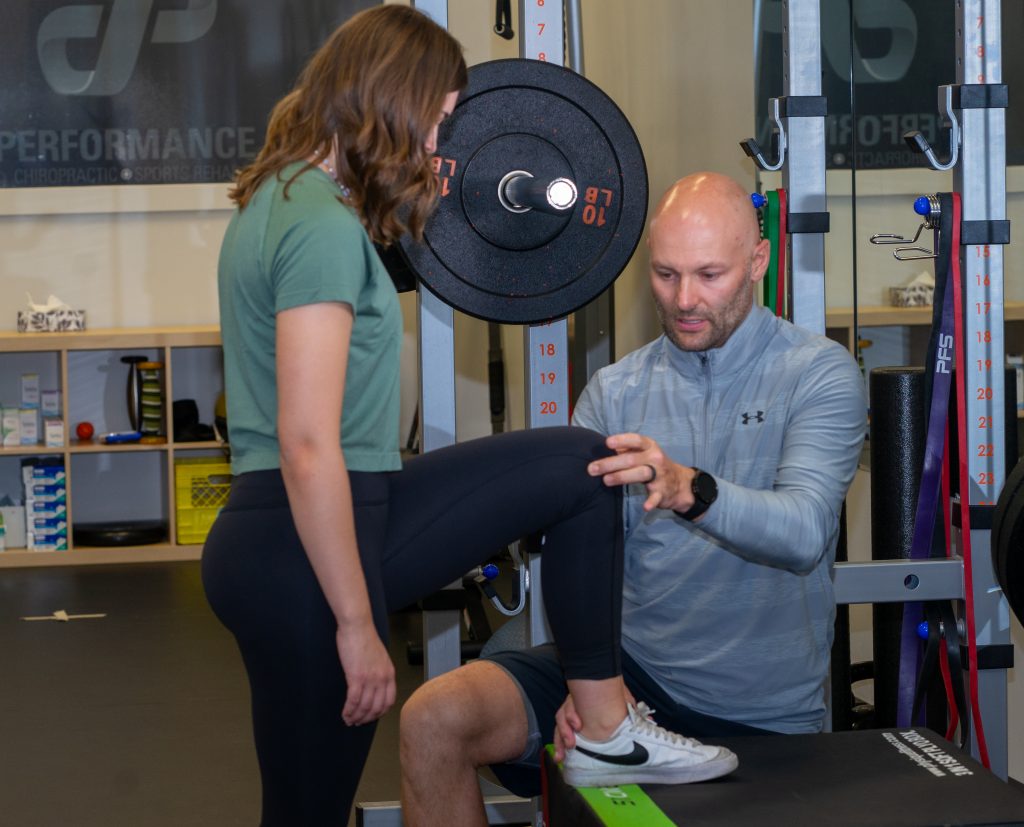
Timelines vary depending on the type and severity of injury, how long symptoms have been present, and training demands. Some riders notice improvement within a few sessions, while more complex or long-standing issues require a structured plan over several weeks.
Not always. Many athletes continue modified riding while undergoing care, with adjustments to intensity or volume. Decisions are based on symptoms, tissue healing, and safety, aiming to keep you active without worsening the injury.
Yes, the approach considers the biomechanics of riding, the demands of barrel patterns, and competition schedules. Exercises and progressions are chosen to transfer directly to performance in the arena rather than only daily activities.
Athletes often ask about costs, what to wear, and whether prior imaging is needed. Fees typically reflect assessment time and treatment complexity, comfortable athletic clothing is recommended for movement analysis, and imaging is only required when clinically indicated, as most plans are guided by physical assessment and response to treatment.