

Specialized care for Edmonton athletes dealing with pain, setbacks, or recurring issues from beach soccer, this service focuses on restoring movement, strength, and confidence on sand and turf while reducing the risk of re-injury, helping you return to play with a structured, sport-specific rehab plan guided by experienced professionals.
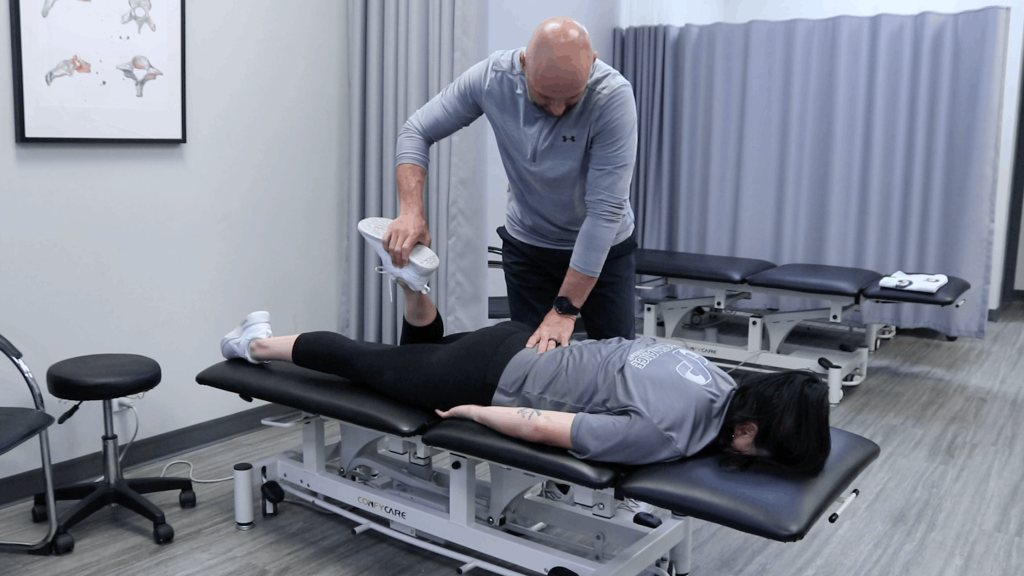
Care typically begins with a detailed assessment of movement, joint mobility, strength, and injury history, followed by a personalized plan that may include manual therapy, progressive strengthening, neuromuscular control exercises, and sport-specific drills, using evidence-informed physiotherapy and chiropractic methods to safely progress athletes from pain management to full return to play.
Playing soccer on sand places very different demands on the body compared to grass or turf, and these demands often lead to unique injury patterns that require focused rehabilitation rather than generic treatment.
Sand shifts under every step, forcing the ankles, knees, hips, and core to work harder for stability, which commonly contributes to ligament sprains, Achilles irritation, and muscle overload when tissues are not conditioned for this surface.
Frequent kicking, sudden accelerations, and jumping in a soft surface can overload the hip flexors, hamstrings, calves, and plantar fascia, increasing the risk of strains or chronic tendon pain if recovery is incomplete.
Continuing to play through pain or returning too quickly after an injury often results in compensatory movement patterns, turning an acute issue into persistent ankle, knee, or low-back pain.
Rehab that does not address balance, proprioception, and strength specific to sand-based movement may leave underlying weaknesses uncorrected, making repeat injuries more likely when athletes return to competition.
Working with a qualified provider helps athletes rebuild strength, mobility, and control in a way that matches the demands of beach soccer, improving performance while lowering the likelihood of setbacks during training or tournaments.
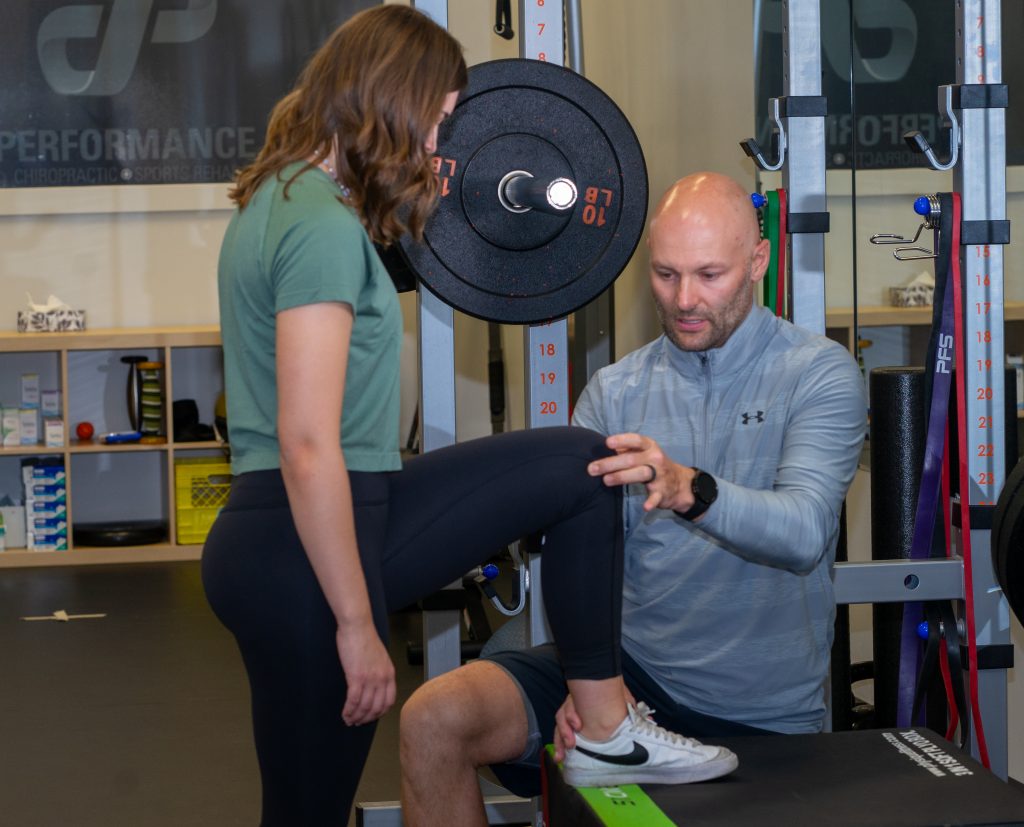
Timelines vary depending on the type and severity of the injury, training schedule, and individual healing response, but many athletes see meaningful improvement within weeks when they follow a structured and consistent program.
In many cases, treatment can begin with a clinical assessment alone, and imaging is only recommended if findings suggest more serious tissue damage or if progress does not follow expected patterns.
Yes, chronic or recurring issues often respond well when rehab focuses on correcting underlying movement faults, strength deficits, and load management rather than just treating symptoms.
Athletes often ask about cost, session frequency, and whether they can keep training during rehab; these factors depend on injury complexity and goals, but care plans are typically phased to balance recovery with activity, prioritize safety, and adapt as progress is made.