

Targeted care for biathletes in Edmonton who are dealing with pain, overuse injuries, or setbacks that disrupt training and competition. This service focuses on restoring movement, strength, and confidence through sport-specific assessment and rehabilitation that respects the unique demands of skiing and precision shooting, helping you return to training with a clear plan and professional support.
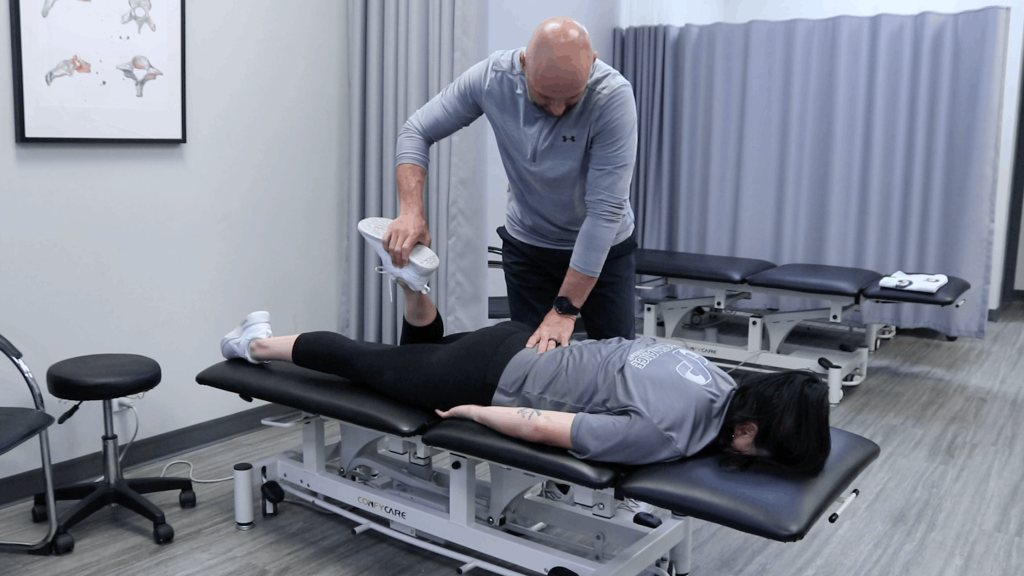
The process begins with a detailed history and physical assessment focused on skiing mechanics, shooting posture, and load tolerance. Treatment plans may combine manual therapy, therapeutic exercise, and neuromuscular retraining, guided by evidence-based physiotherapy and chiropractic principles. Tools such as video movement analysis, progressive loading protocols, and recovery monitoring are used to ensure tissues adapt safely. Care progresses from pain management to strength, endurance, and finally sport-specific drills that mirror on-snow demands.
Biathlon combines high-intensity skate skiing with repeated shooting under fatigue, creating a distinctive injury profile. Recovery requires understanding how endurance load, technique, and recovery habits interact so that pain does not become a recurring barrier to performance.
Rapid increases in volume or intensity, especially during pre-season or altitude camps, can exceed tissue capacity and lead to tendinopathies, stress reactions, and chronic muscle strain. Without guided recovery, these issues often linger and flare with each training block.
As fatigue sets in, subtle changes in ski technique or shooting posture can overload the low back, hips, shoulders, and wrists. These compensations may not be obvious to the athlete but can perpetuate pain and limit efficiency.
Training and racing in cold conditions reduces tissue elasticity and neuromuscular control, increasing the risk of strains and joint irritation. Inadequate warm-up or recovery in winter environments compounds this risk.
Returning to skiing or shooting before strength, mobility, and endurance are fully restored can create a cycle of reinjury. Short-term symptom relief without functional rehab often delays true recovery.
Working with a qualified provider helps reduce pain at its source, rebuild sport-specific strength and control, and improve tolerance to training loads. Athletes can expect clearer return-to-ski timelines, improved movement efficiency, and strategies to manage fatigue so that performance progresses without repeated setbacks.
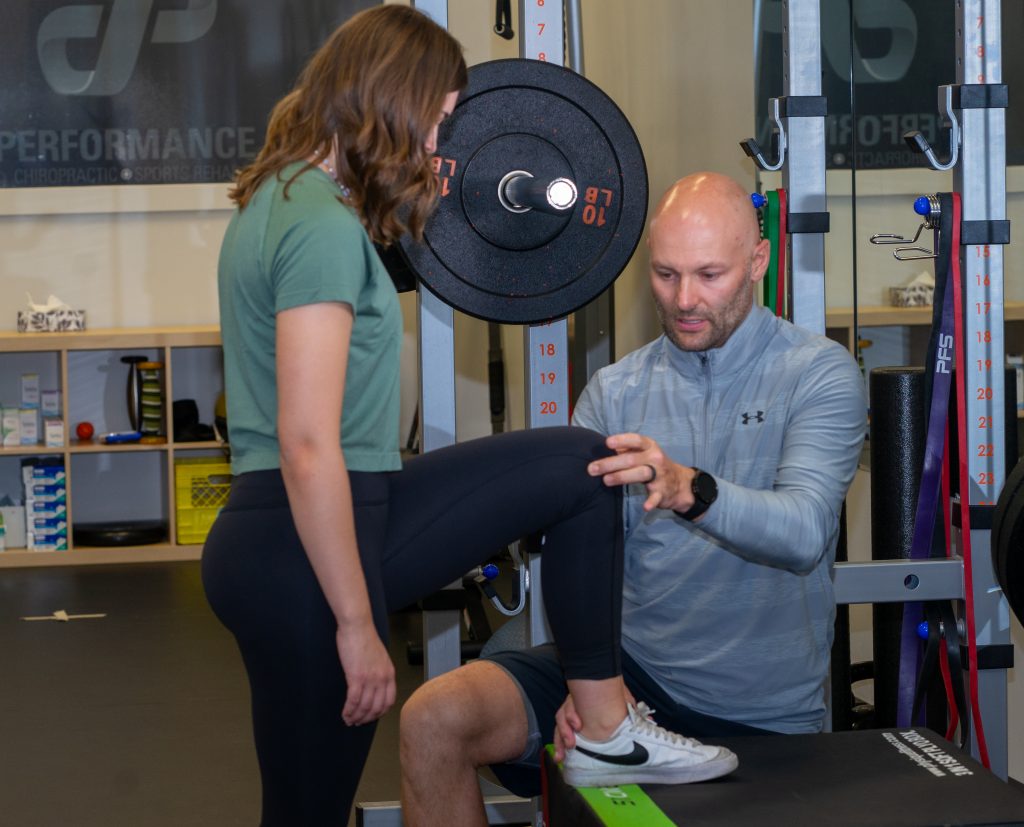
Timelines vary based on injury type, severity, and training demands. Minor overuse issues may improve within weeks, while more complex injuries require a phased approach over several months, with progress measured by function rather than just pain levels.
Not always. Many athletes can continue modified training while injured, provided load and technique are adjusted. The goal is to maintain fitness where safe while protecting healing tissues.
No. Recreational and developing biathletes benefit just as much from structured assessment and rehab, particularly to prevent small issues from becoming season-ending problems.
Most athletes wonder about cost, scheduling, and whether this approach fits their goals. Fees reflect assessment time and individualized care rather than one-size-fits-all sessions, and appointments are structured around training cycles. If you are unsure whether professional care is needed, an initial assessment can clarify the cause of pain and outline realistic options for recovery.