

This service is designed for blind and visually impaired soccer athletes in Edmonton who are dealing with pain, reduced confidence in movement, or delayed return to play after injury. It addresses the unique physical demands of blind soccer, including collisions, rapid directional changes, and reliance on proprioception and sound, using coordinated chiropractic and physiotherapy care. The goal is to restore safe movement, reduce pain, and rebuild sport-specific control so athletes can train and compete with confidence again, supported by clinicians who understand adaptive sport demands.
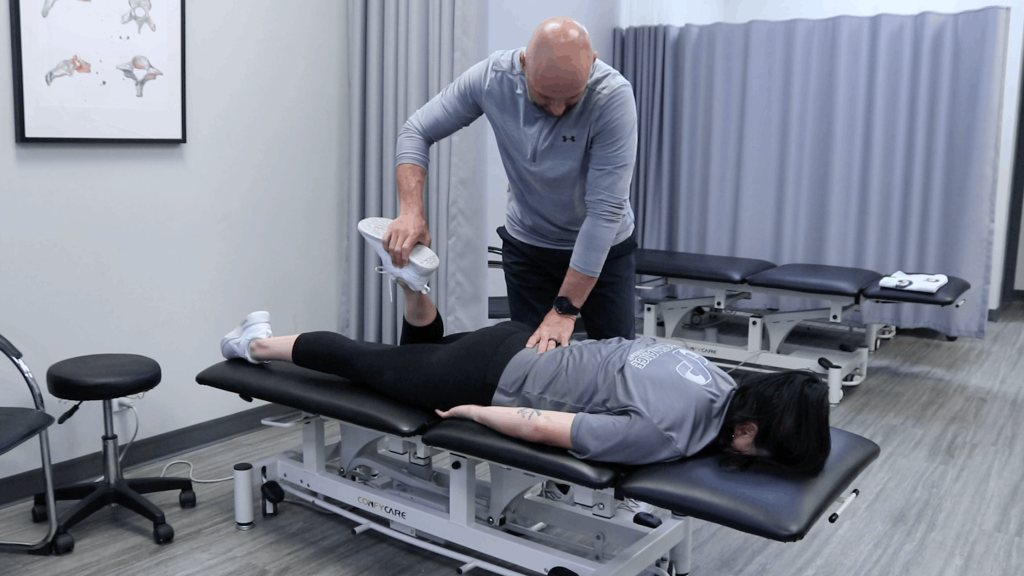
Care typically begins with a detailed assessment of pain, movement patterns, and sport-specific demands, including how the athlete navigates space and contact. Treatment may combine manual therapy for joint and soft tissue restrictions, progressive strengthening, balance and proprioceptive training, and guided return-to-play planning. Evidence-informed physiotherapy and chiropractic methods are used together to address both symptom relief and underlying movement contributors.
Blind soccer places distinct stresses on the body due to constant body contact, high-speed transitions, and limited visual feedback. These factors increase the likelihood of acute injuries and lingering movement problems if recovery is incomplete or poorly guided.
Because players rely on auditory cues and close physical marking, collisions are more frequent than in sighted soccer. These impacts commonly lead to shoulder contusions, rib irritation, spinal joint strain, and hip injuries that require structured recovery to prevent chronic pain.
Frequent pivoting, shielding, and short sprints place repetitive load on the ankles, knees, and lower back. Without proper load management and rehabilitation, tendinopathies and joint irritation can persist and limit performance.
Injury can disrupt proprioceptive input that blind athletes rely on heavily for orientation and movement control. If balance and joint position sense are not specifically retrained, the risk of re-injury and hesitation during play increases.
Athletes are often eager to resume training, but unresolved pain, stiffness, or weakness can compromise movement efficiency. This increases the chance of secondary injuries, especially in the spine and lower extremities.
Working with a qualified provider helps reduce pain, restore joint mobility, and rebuild strength and balance in a way that matches the realities of blind soccer. Athletes can expect improved confidence in contact situations, better movement efficiency, and a safer, more sustainable return to training and competition.
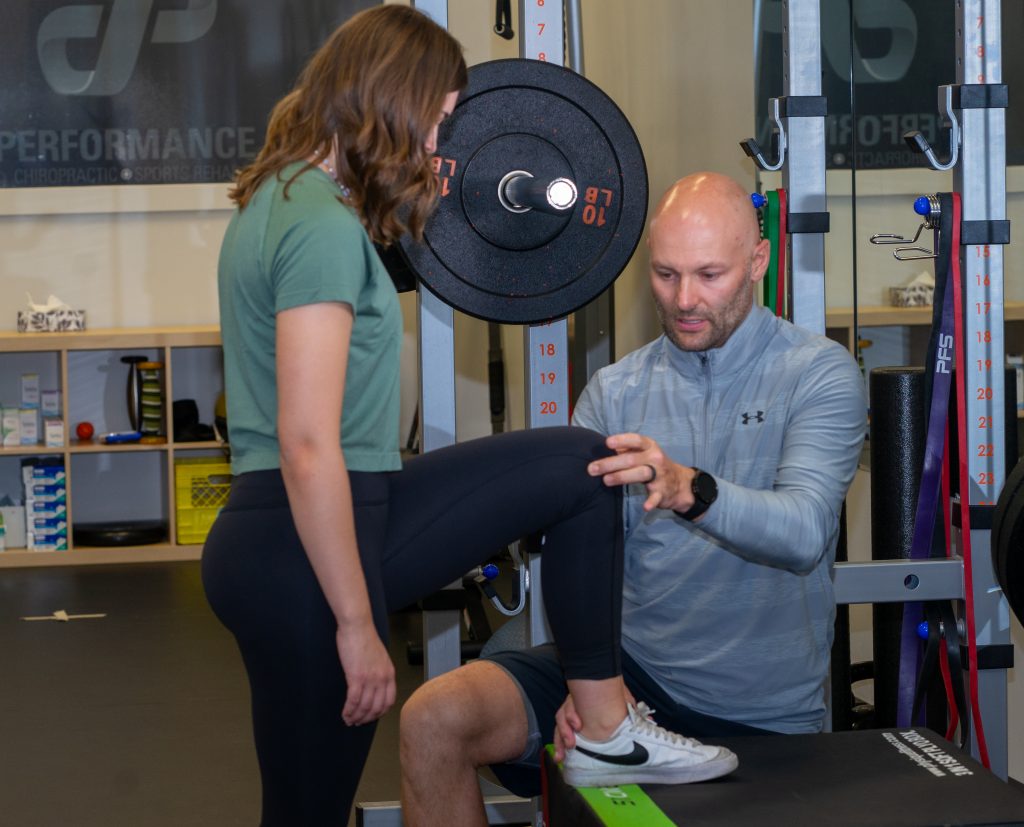
Timelines vary depending on injury type, severity, and training load, but most athletes see meaningful improvement within weeks when care is consistent. Full return to play is guided by functional milestones rather than fixed dates.
No referral is typically required to begin chiropractic or physiotherapy care. An initial assessment determines whether this service is appropriate or if additional medical input is recommended.
Yes, many athletes seek care for lingering pain or repeated strains. Addressing movement habits, strength deficits, and balance issues can reduce recurrence even when the original injury is not recent.
Athletes often ask about cost, session frequency, and training modifications during recovery. Care plans are usually tailored to the individual, with visits adjusted as progress improves and exercises integrated into regular training. Choosing a professional service helps ensure adaptations are made safely and effectively, supporting long-term performance rather than short-term fixes.