

High-speed starts, heavy sled loads, and intense cornering forces can leave bobsleigh athletes dealing with pain, stiffness, or lingering injuries that limit performance. This Edmonton-based recovery service is designed for athletes who need targeted assessment, hands-on care, and structured rehab to return to training with confidence. By addressing the true source of pain and restoring strength, control, and resilience, care is tailored to the realities of bobsleigh so you can move forward safely—book an assessment when you’re ready to take the next step.

Care begins with a detailed history and physical assessment to identify tissue involvement, movement restrictions, and load tolerance. Treatment may include manual therapy for joint and soft tissue mobility, targeted physiotherapy exercises to restore strength and control, and chiropractic care where appropriate to support spinal function. Progress is guided by measurable criteria such as pain response, range of motion, and power output, aligning with recognized rehab principles and return-to-sport frameworks.
Bobsleigh places unique mechanical demands on the body, combining explosive sprinting, extreme spinal loading, and high G-forces. These stresses can lead to specific injury patterns that require informed clinical management rather than generic treatment.
The push start requires maximal hip, knee, and ankle power in a forward-flexed position, often under fatigue. This combination increases risk to the lumbar spine, hamstrings, calves, and Achilles tendons, particularly when strength or mobility deficits alter sprint mechanics.
Lifting and manoeuvring a heavy sled places repetitive stress on the shoulders, elbows, and wrists. Over time, this can contribute to rotator cuff irritation, tendinopathy, or joint strain if load management and scapular control are inadequate.
During a run, athletes experience sustained vibration and rapid directional changes that transmit force through the cervical and thoracic spine. Without proper conditioning and recovery, this can result in neck pain, headaches, or reduced spinal mobility that affects driving or braking control.
Training through pain or returning too quickly can lead to compensation patterns, reduced power output, and a higher chance of re-injury. Chronic issues may develop, limiting selection opportunities and long-term athletic development.
Working with a qualified provider allows injuries to be addressed at their source, not just managed symptomatically. Athletes can expect clearer timelines, improved movement efficiency, and a safer return to high-intensity training through progressive loading and sport-specific conditioning.
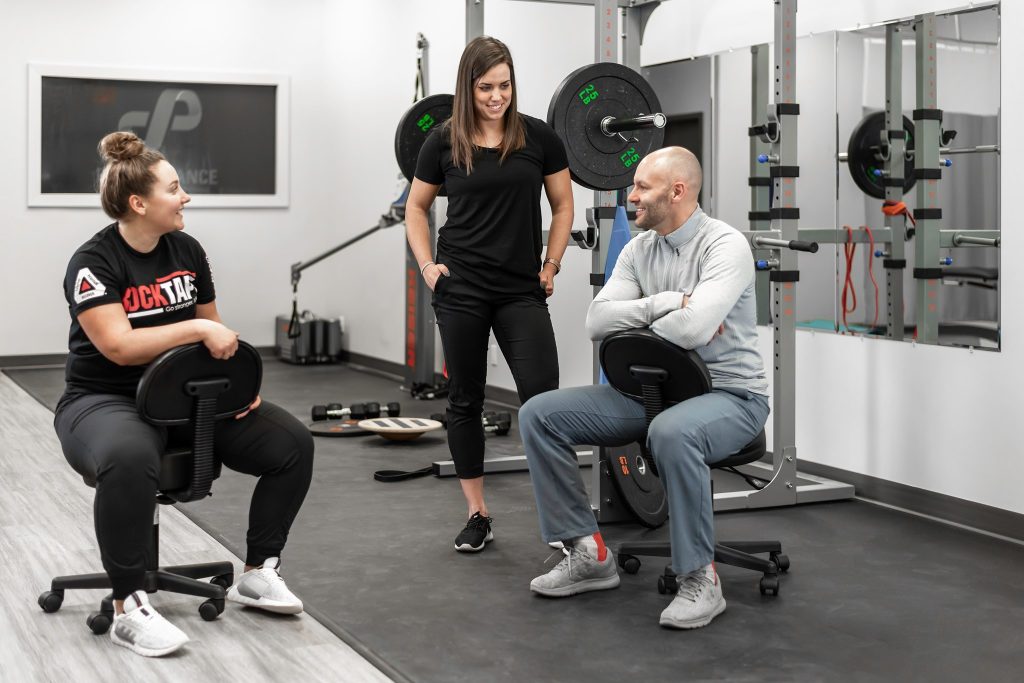
Timelines vary based on injury type, severity, and training demands. Acute strains may improve within weeks, while overuse or spinal conditions often require a phased plan over several months, with progress reassessed regularly.
In many cases, modified training is encouraged. Loads, volumes, or specific movements may be adjusted to protect healing tissue while maintaining conditioning, which helps athletes return more smoothly to full participation.
Yes, care is appropriate for both developing and competitive athletes. Early intervention can correct movement issues and prevent minor problems from becoming season-limiting injuries.
Athletes often ask about costs, prerequisites, and what to expect at the first visit. Fees typically reflect assessment time and treatment complexity rather than a one-size-fits-all package. No referral is usually required, and initial sessions focus on understanding your sport demands, current pain, and goals. Choosing professional care over DIY rehab helps ensure that recovery decisions are based on objective findings, not guesswork, supporting a safer and more effective return to bobsleigh performance.