

Targeted injury care for Edmonton-based Brazilian Jiu-Jitsu athletes who need relief from pain, faster recovery, and a safe return to the mats, delivered by clinicians who understand the demands of grappling and competitive training; book an assessment to get a clear plan built around how you actually train.

Care begins with a detailed assessment of injury history, training volume, and movement patterns used in Brazilian Jiu-Jitsu, followed by hands-on treatment such as manual therapy and soft tissue techniques combined with active rehab, progressive loading, and mobility work; plans are adjusted based on response to training and guided by evidence-informed physiotherapy and chiropractic principles rather than one-size-fits-all protocols.
Brazilian Jiu-Jitsu places unique stresses on the body through sustained gripping, rotational force, compression, and repeated end-range positions, which means injuries often develop differently than in field or court sports and require care that respects both the art and the athlete.
Arm bars, kimuras, heel hooks, and collar grips load joints at their end ranges under resistance, commonly irritating elbows, shoulders, knees, and fingers, and without proper rehab these tissues may lose tolerance and become vulnerable to chronic pain.
Guard retention, inversions, and pressure passing repeatedly stress the cervical and thoracic spine, and when mobility, strength, or control is lacking this can lead to stiffness, nerve irritation, or headaches that interfere with training consistency.
Explosive scrambles and unexpected transitions can overload muscles and ligaments before they are ready, resulting in strains or sprains that feel minor at first but often worsen when athletes continue rolling without guidance.
Training through pain without structured care can alter movement patterns, reduce performance, and increase the risk of more serious injury, potentially forcing extended time off the mats or limiting competitive goals.
Working with a qualified provider helps reduce pain, restore joint function, and rebuild strength and control specific to grappling so athletes can return to training with confidence, improved resilience, and a clearer understanding of how to protect their bodies.
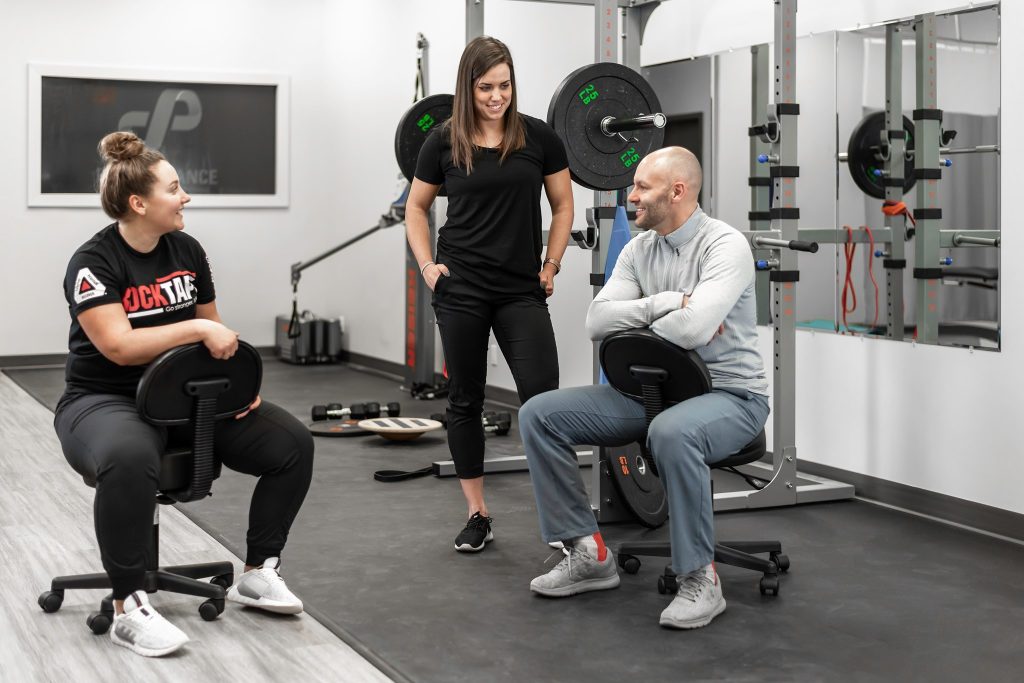
Timelines depend on the type of injury, how long it has been present, and current training demands, but many athletes notice meaningful improvement within a few sessions when care is paired with appropriate load management.
Not always; many cases benefit from modified training rather than full rest, with clear guidance on which positions, intensities, or techniques to avoid while tissues heal.
No, recreational and hobbyist practitioners often benefit just as much, especially when the goal is to train pain-free for the long term.
Athletes often ask about cost, visit frequency, and whether this care fits alongside existing coaching, and while fees and timelines vary, most plans are designed to be efficient, transparent, and coordinated with your training schedule so rehab supports your progress rather than interrupting it.