Targeted care for handball athletes in Edmonton who are dealing with pain, reduced performance, or time away from the court, this service focuses on accurate diagnosis, effective rehab, and safe return to play through coordinated chiropractic and physiotherapy care, so you can train and compete with confidence again.
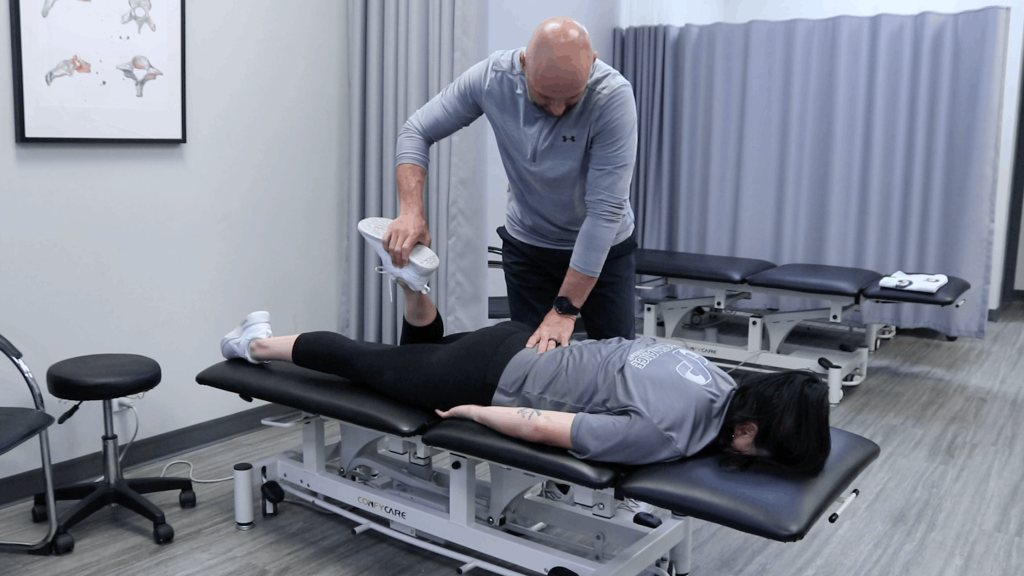
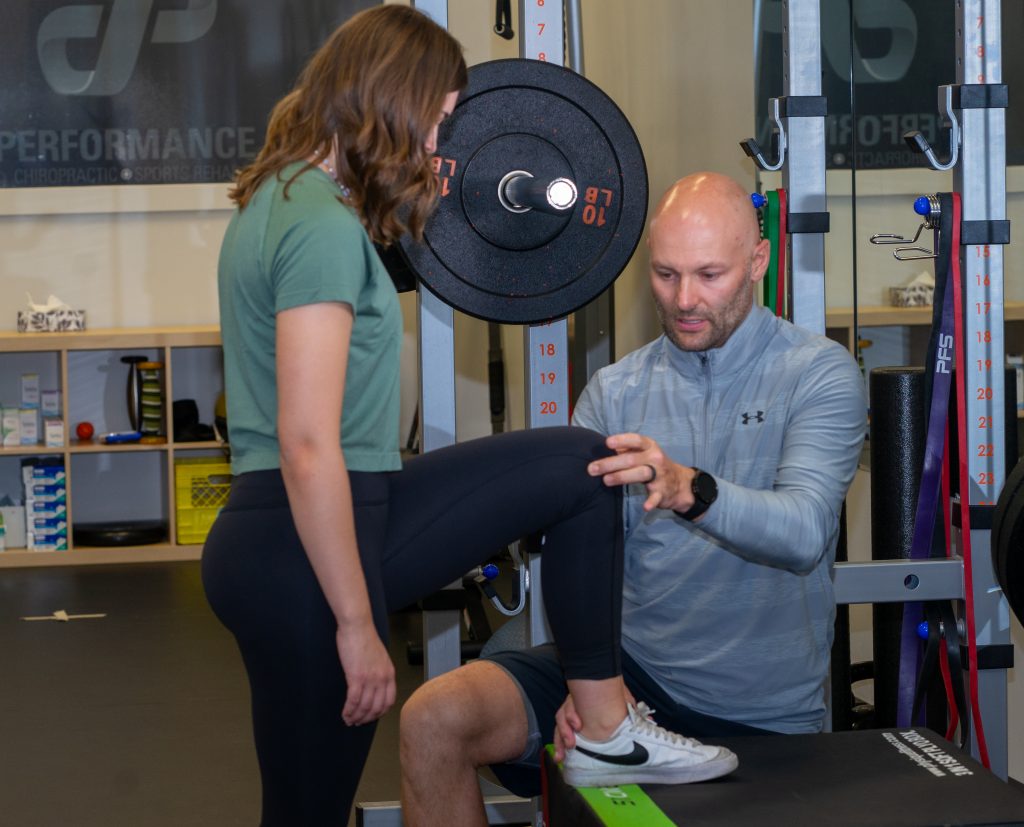
Care begins with a detailed assessment of your injury, training load, and handball-specific demands, followed by evidence-informed treatment such as manual therapy, therapeutic exercise, and movement retraining; progress is guided by functional testing, pain response, and gradual return-to-play criteria rather than timelines alone.
Handball places unique demands on the body, combining explosive sprinting, rapid changes of direction, overhead throwing, and frequent contact with hard court surfaces, which means injuries often involve multiple tissues and require sport-specific assessment rather than generic treatment.
High-volume throwing and repeated jumping loads stress the shoulder, elbow, wrist, knee, and ankle, and without adequate recovery or strength balance, microtrauma can accumulate into tendinopathy, joint irritation, or stress reactions that worsen if play continues.
Player collisions, sudden stops, or awkward landings can lead to sprains, muscle strains, joint subluxations, or impact injuries to the hip, shoulder, or spine, and these injuries often involve both soft tissue and joint mechanics that need coordinated care.
Limited mobility, strength asymmetries, or inefficient throwing and cutting mechanics increase tissue strain during training and matches, raising the risk of recurring pain even after an initial injury seems to have healed.
Without proper rehabilitation and return-to-play planning, handball injuries can become persistent, reduce throwing velocity or agility, and lead to repeated flare-ups that interfere with consistent training and long-term performance.
Working with a qualified provider helps reduce pain, restore joint mobility and strength, and retrain sport-specific movement so athletes can return to handball with better control, confidence, and lower risk of reinjury compared to rest alone or self-directed rehab.
Recovery time depends on the type and severity of the injury, your training history, and how early treatment begins, but many athletes see measurable improvements within a few weeks, with full return to competition guided by functional milestones rather than fixed dates.
Imaging is not always necessary, as many handball injuries can be assessed clinically, but if red flags or lack of progress suggest a more serious issue, referral for imaging may be recommended to guide care.
In many cases modified training is possible, with adjustments to volume, intensity, or specific movements, allowing you to stay active while protecting injured tissues and supporting recovery.
Athletes often ask about cost, session frequency, and expectations, and while care plans are individualized, the focus is always on efficient, goal-driven treatment that fits your season, explains each step clearly, and prioritizes safe return to handball over quick but temporary fixes.