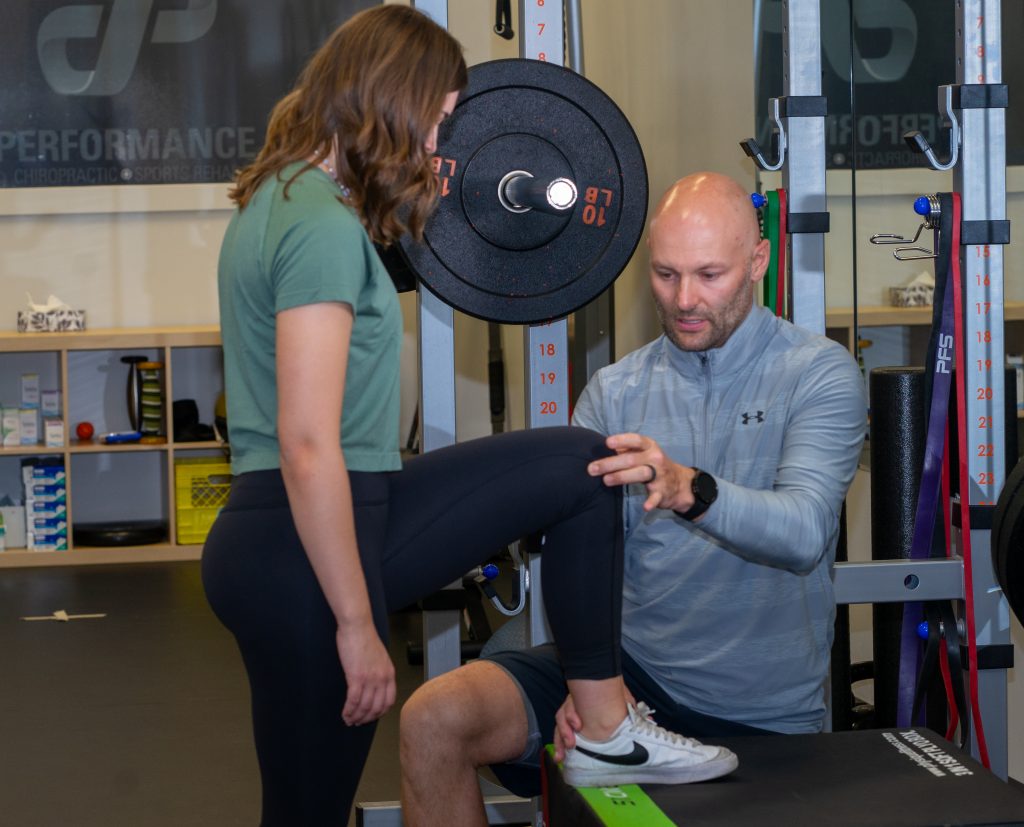
Targeted physiotherapy care for croquet athletes in Edmonton who are dealing with pain, overuse strain, or recovery after an on‑lawn injury, focusing on restoring smooth movement, precise control, and confidence through evidence‑based rehabilitation, with care designed to help you return to play safely and sustainably.
Care typically begins with a detailed assessment of posture, swing mechanics, joint range, and load tolerance, followed by a progressive plan that may include hands-on treatment, sport-specific strengthening, balance training, and education on pacing and recovery, guided by current physiotherapy standards and functional outcome measures.
Croquet places unique demands on the body that can quietly accumulate into pain or performance limitations, particularly when technique, equipment, or recovery habits are not well matched to the athlete’s physical capacity.
Croquet requires prolonged forward-flexed posture, asymmetric weight bearing, and repetitive mallet swings, which can overload the lower back, hips, shoulders, and wrists over time, especially during long matches or tournaments without adequate movement variation.
Continuous low-impact repetition can irritate tendons, joint capsules, and fascia, commonly contributing to conditions such as wrist tendinopathy, shoulder impingement, or knee pain that may initially feel mild but worsen if training volume is not adjusted.
Uneven grass, subtle slopes, and prolonged standing increase demands on ankle and hip stability, raising the risk of strains or falls, particularly for athletes with reduced proprioception or previous lower-limb injuries.
Ignoring early symptoms or relying on rest alone can lead to compensatory movement patterns, delayed healing, and a higher chance of chronic pain that interferes with both sport performance and everyday activities.
Working with a qualified physiotherapist helps address the root causes of croquet-related pain through tailored exercise, manual therapy, and movement retraining, supporting improved joint mobility, strength, and endurance so athletes can return to play with better control and reduced injury risk.
Timelines vary depending on the nature and duration of the injury, but many athletes notice meaningful improvements within a few sessions when exercises are followed consistently and playing loads are modified appropriately.
In most cases, imaging is not required initially, as a thorough physical assessment can identify functional causes of pain, with referrals for imaging considered if symptoms do not progress as expected.
Yes, by improving strength, mobility, and movement efficiency while addressing individual risk factors, physiotherapy can reduce the likelihood of recurring issues during training and competition.
Athletes often ask about cost, session frequency, and whether they must stop playing entirely; treatment plans are typically structured to balance rehab with modified participation when safe, costs depend on session length and complexity, and clear guidance is provided so expectations are realistic from the start.