

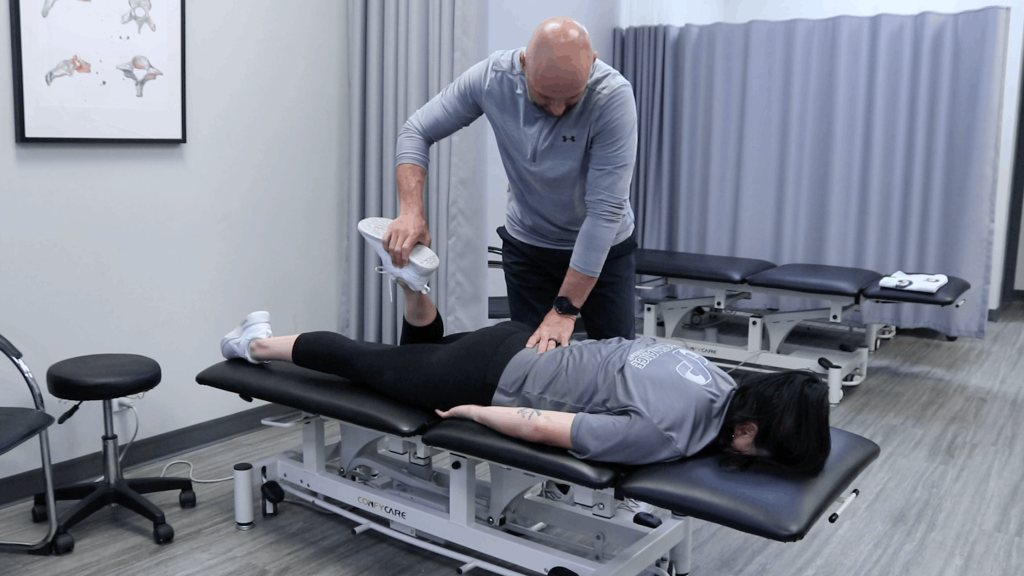
Care begins with a detailed assessment of symptoms, controller use, posture, and training habits. Treatment may include manual therapy to reduce tissue sensitivity, progressive loading exercises for the hands, forearms, and postural muscles, and movement retraining to optimize controller grip and sitting mechanics. Education on pacing, warm-ups, and recovery strategies is integrated, using evidence-informed physiotherapy methods aligned with Canadian practice standards.
Drone racing places unique demands on the body that are easy to underestimate because the movements are small but constant. High-repetition thumb and finger inputs, prolonged gripping of controllers, and sustained seated or forward-head postures can overload tissues faster than they adapt. When recovery time is limited and practice volume increases, the nervous system and connective tissues begin to signal distress through pain, stiffness, or loss of fine motor control.
Continuous micro-movements at the thumbs and wrists stress tendons and their sheaths, particularly when combined with forceful gripping. Over time this can contribute to tendinopathy-like symptoms, reduced dexterity, and aching that lingers after sessions, making precise inputs harder to maintain during races.
Racers often hold a fixed head and shoulder position while visually tracking screens or goggles. This sustained posture can fatigue deep neck stabilizers and upper back muscles, leading to neck pain, headaches, or a heavy feeling that reduces focus and reaction speed.
Static gripping combined with rapid finger movements can overload forearm flexors and extensors. Without adequate conditioning and rest, this may result in elbow discomfort or diffuse forearm pain that worsens with longer practice blocks.
High cognitive demand and sympathetic nervous system activation during racing can impair recovery if not managed well. Poor sleep, inadequate breaks, or sudden increases in training volume raise the risk of persistent symptoms that no longer settle on their own.
Working with a qualified provider helps reduce pain while addressing the specific physical demands of drone racing. Expected outcomes include improved thumb and wrist endurance, better neck and shoulder comfort during long sessions, and more consistent fine motor control, allowing athletes to train with fewer setbacks and greater confidence.
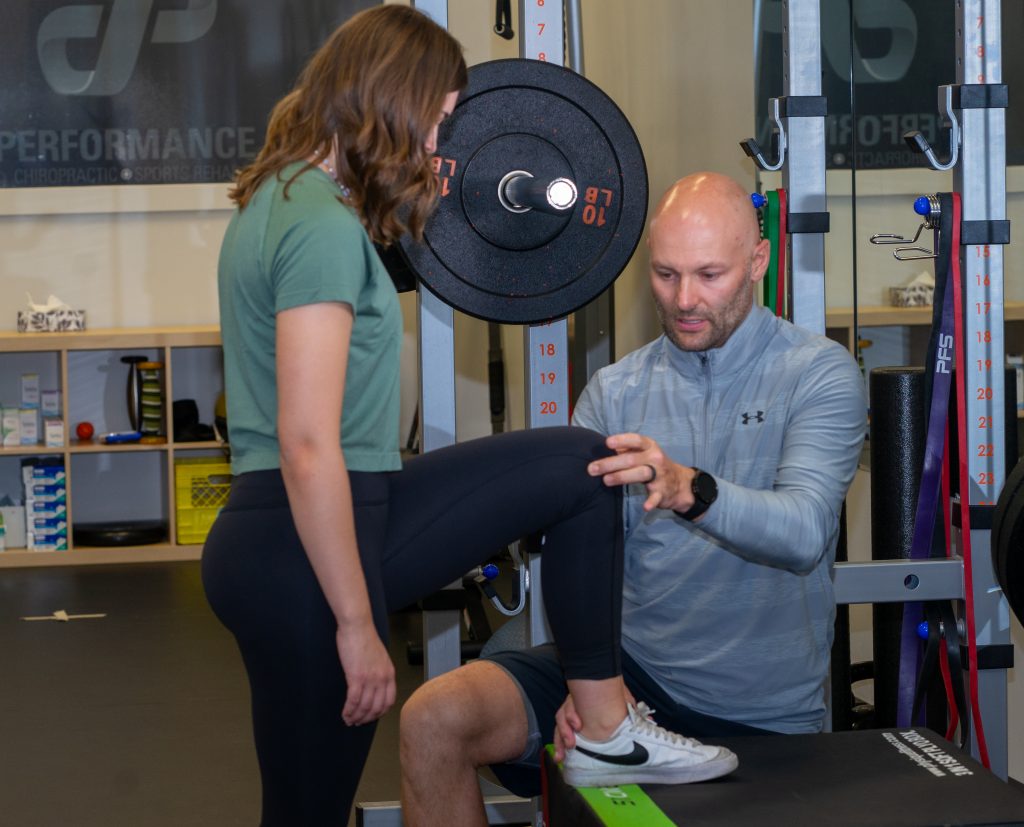
Athletes often ask about cost, prerequisites, and what to bring to the first visit. Fees typically reflect assessment time and treatment complexity, no referral is usually needed, and bringing your controller or describing your setup can help personalize care. The goal is transparent, collaborative treatment that fits your training schedule and competitive goals.