

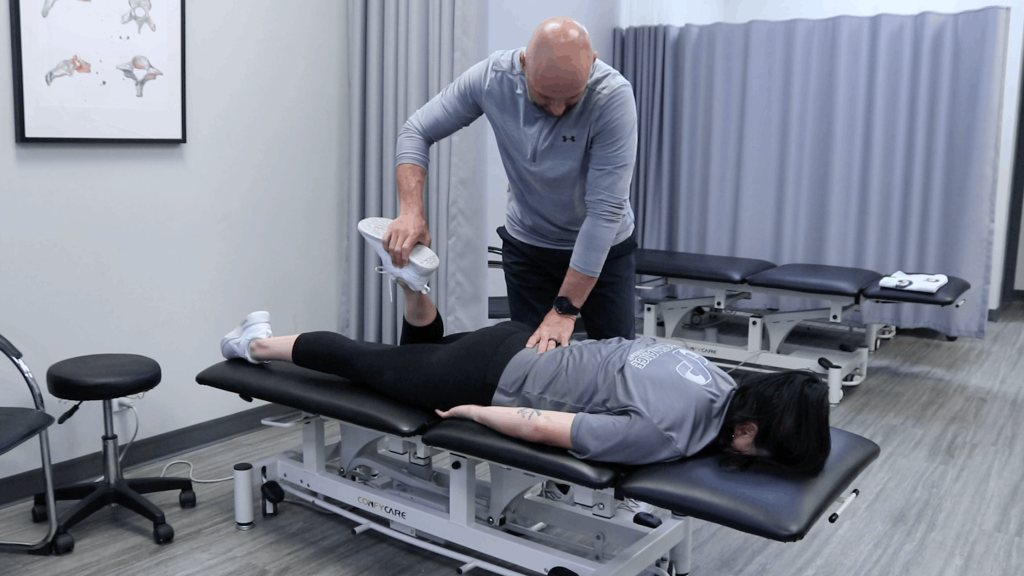
Care typically begins with a detailed assessment of casting mechanics, posture, joint mobility, and strength, followed by hands‑on treatment to address joint and soft‑tissue restrictions, targeted exercise therapy to rebuild capacity, and education on pacing, recovery, and technique adjustments; methods may include manual therapy, progressive loading, neuromuscular control exercises, and return‑to‑sport progressions aligned with current physiotherapy and chiropractic standards.
Fly fishing places unique and repetitive demands on the body that differ from general gym or field sports, particularly through asymmetric loading, high-repetition casting cycles, and prolonged postures during wading or standing, which means strains often persist unless the underlying movement and tissue issues are addressed directly.
The fly casting motion relies on rapid shoulder rotation, elbow extension, and wrist control, often repeated hundreds of times in a session; when load exceeds tissue capacity or technique breaks down due to fatigue, micro‑stress accumulates in tendons and muscles, commonly affecting the rotator cuff, forearm extensors, and upper back.
Effective casting and stable wading depend on trunk and hip control, and when these areas fatigue, force is transferred upward into the shoulder and arm; this compensation increases strain on smaller joints and soft tissues, raising the likelihood of back pain, hip irritation, or secondary shoulder overload.
Restricted thoracic spine mobility, tight hips, or old injuries that never fully rehabilitated can alter casting mechanics; even subtle restrictions change load distribution, making certain tissues work harder and predisposing anglers to recurring flare‑ups during longer or more intense outings.
Untreated strain can progress from mild soreness to chronic tendon pain, reduced grip strength, or loss of shoulder endurance, potentially limiting both fishing and cross‑training; ongoing inflammation may also slow recovery times and increase the risk of compensatory injuries elsewhere.
Working with a qualified provider helps reduce pain while restoring strength, control, and endurance specific to fly fishing demands, allowing athletes to return to casting with improved efficiency, reduced flare‑ups, and a clearer understanding of how to manage load during the season.
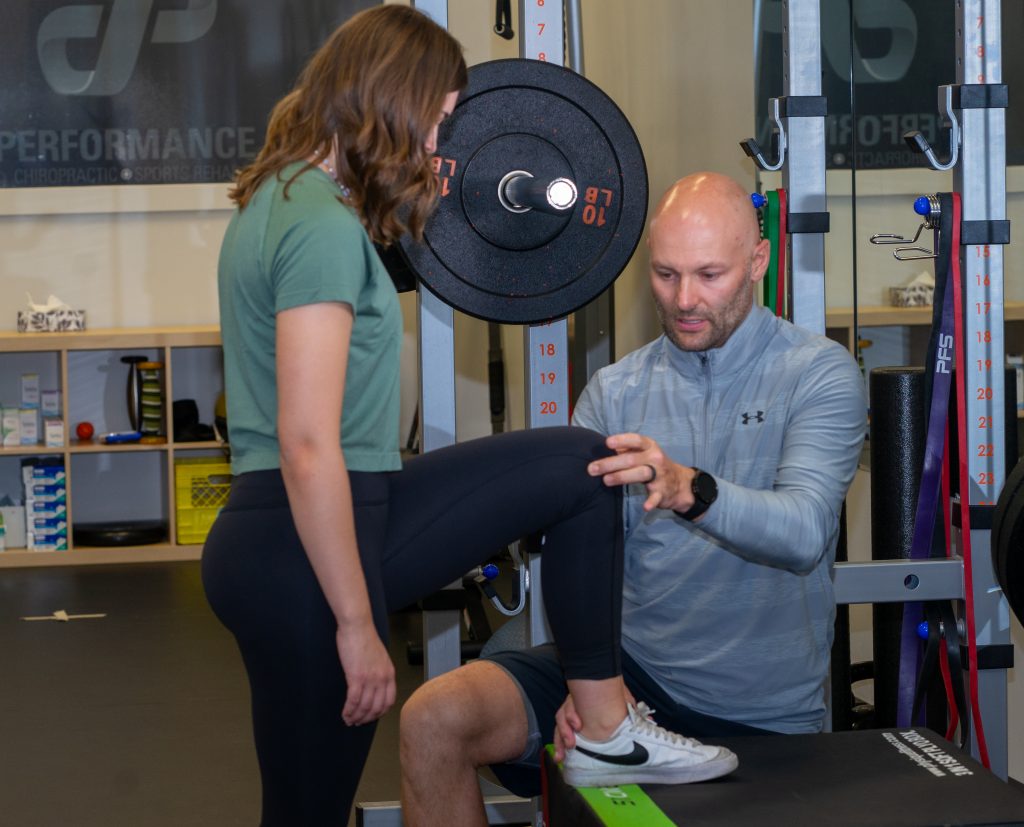
People often ask about cost, prerequisites, and what to expect on the first visit; fees generally reflect assessment time and treatment complexity rather than a one‑size approach, no referral is typically required, and initial sessions focus on understanding your goals, pain triggers, and movement patterns so care can be tailored to your fishing and training demands.