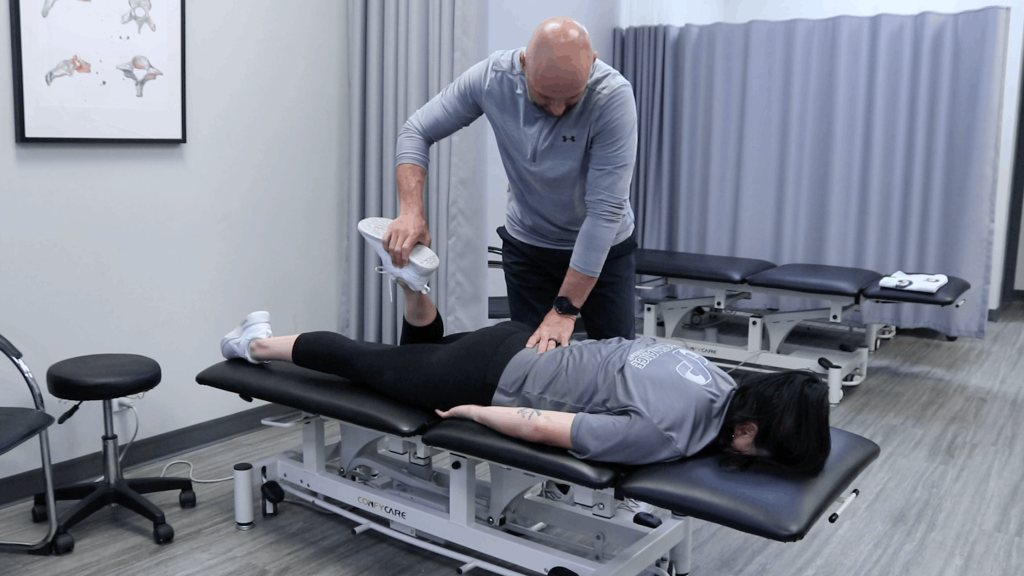
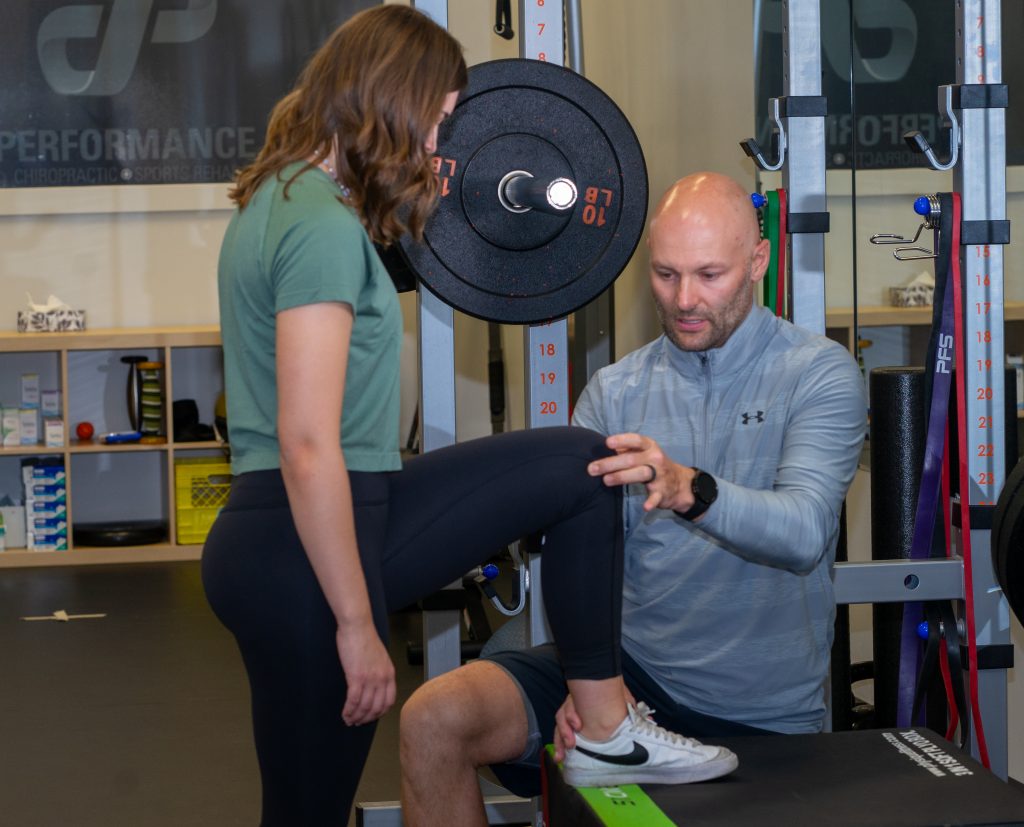
Care begins with a detailed assessment of your injury history, swing demands, mobility, strength, and movement control, followed by targeted hands-on therapy where appropriate, progressive exercise rehabilitation, and load management strategies aligned with your playing schedule; treatment may include joint mobilization, soft tissue techniques, motor control training, and sport-specific strength work, with progress measured through functional outcomes relevant to golf rather than isolated pain scores.
Golf places high rotational and compressive loads on the body, especially through the spine, hips, shoulders, elbows, and wrists, and injuries often develop when tissue capacity cannot keep up with training volume, swing mechanics, or recovery demands.
The golf swing generates rapid trunk rotation and side-bending, which can overload lumbar discs, facet joints, and thoracic mobility if sequencing or strength is limited, leading to back pain that worsens with play and practice.
Limited internal hip rotation or reduced shoulder range forces compensatory movement elsewhere, commonly shifting stress to the lower back, lead knee, or trail shoulder, increasing the risk of tendinopathy and joint irritation.
High practice volumes, poor load management, or grip changes can irritate the flexor and extensor tendons, contributing to golfer’s elbow, wrist pain, and reduced club control that may persist without structured rehab.
Playing through pain or returning before strength and control are restored can turn minor tissue irritation into a chronic injury, prolonging recovery time and affecting long-term performance.
Working with a clinician who understands golf biomechanics helps restore movement quality, rebuild tissue capacity, and reduce re-injury risk so athletes can return to consistent practice and competition with improved efficiency.
Many golfers wonder about cost, frequency, and whether physiotherapy is necessary versus self-management; care is typically delivered over multiple sessions with decreasing frequency as independence improves, costs reflect assessment time and clinical expertise, and professional guidance is often the most efficient way to resolve pain, address underlying movement issues, and avoid repeated flare-ups that DIY approaches may miss.