

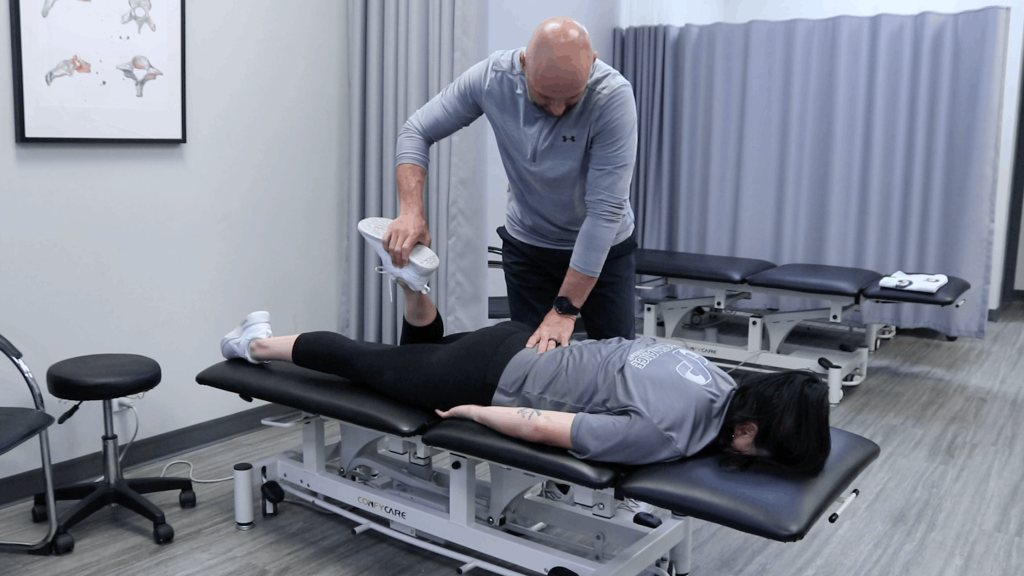
Care begins with a detailed assessment of movement, strength, and injury history, alongside an understanding of your fencing style and training volume. Treatment may include manual therapy to address joint and soft tissue restrictions, progressive strength and conditioning to correct asymmetries, and sport-specific drills to rebuild tolerance. Evidence-informed tools such as load management principles, therapeutic exercise, and movement retraining are used to align rehab with real fencing demands while respecting tissue healing timelines.
Historical fencing places distinctive stresses on the body due to weighted weapons, armour, footwork patterns, and prolonged bouts. Understanding the underlying causes of pain and dysfunction is essential for effective rehabilitation and for preventing minor issues from becoming chronic limitations.
Most historical fencing styles favour one dominant side, leading to strength and mobility imbalances through the shoulders, spine, hips, and knees. Over time, these asymmetries can contribute to overuse injuries, joint irritation, and altered movement patterns that increase strain during lunges, cuts, and parries.
Blows absorbed through weapons, protective gear, or the body can transmit force to the wrists, elbows, shoulders, and neck. Even when armour prevents acute injury, repeated impacts may lead to tendon irritation, joint compression, or subtle instability that gradually limits performance.
Advancing, retreating, and rapid directional changes place high demands on the ankles, knees, and hips. Inadequate load tolerance or previous injuries can result in issues such as Achilles pain, patellofemoral discomfort, or hip flexor strains if not addressed early.
Many fencing athletes train intensively while balancing work or school, which can reduce recovery time. Without appropriate mobility work, strength balance, and rest, tissues may fail to adapt, increasing the risk of persistent pain and longer rehabilitation timelines.
Working with a qualified physiotherapist helps translate rehabilitation directly to fencing demands, improving joint control, strength, and endurance specific to your style and equipment. The outcome is not just pain reduction, but improved confidence in movement, better tolerance to training loads, and a safer return to sparring or competition.
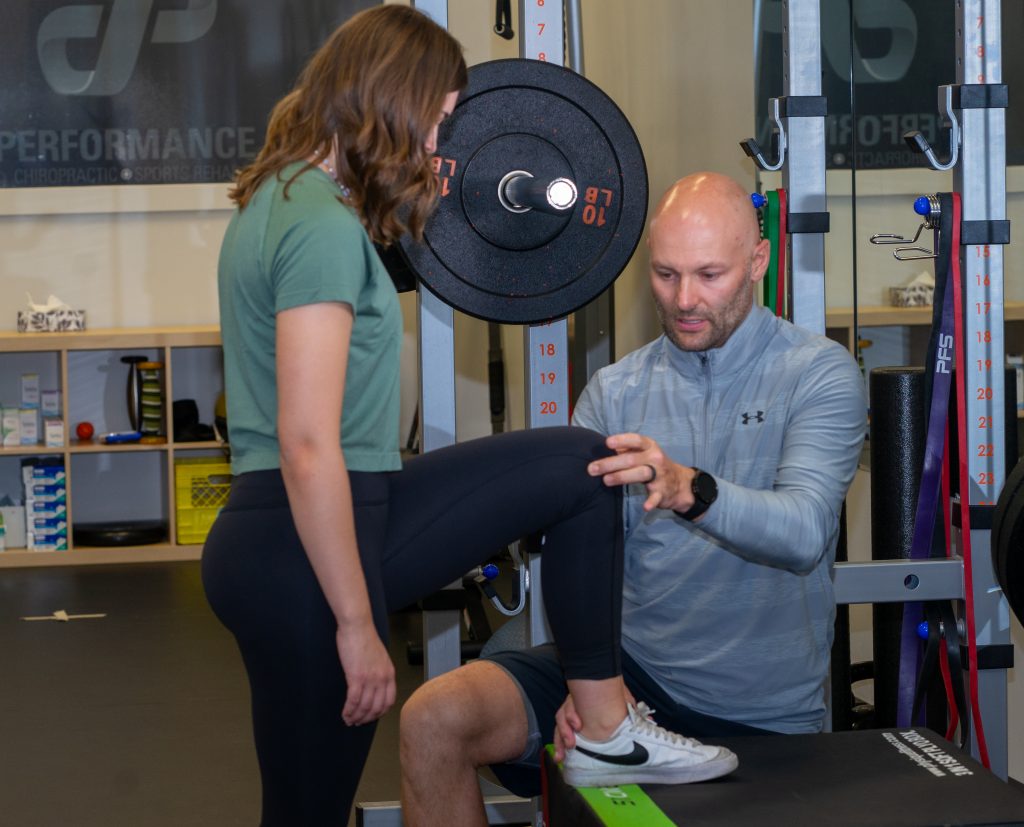
Many athletes wonder about cost, appointment frequency, or whether prior imaging is required. Fees generally reflect assessment time and treatment complexity, visits are tailored to progress rather than fixed schedules, and imaging is only used when clinically indicated. An initial consultation can clarify expectations and determine whether this focused physiotherapy approach aligns with your fencing and recovery goals.