

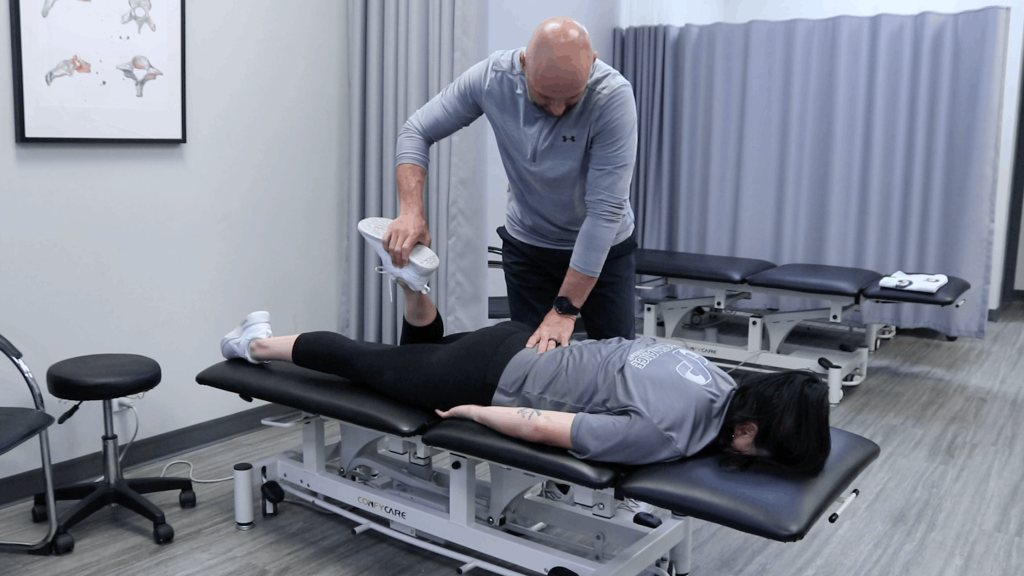
Care begins with a detailed assessment of symptoms, injury history, riding discipline, and functional movement, often including observation of posture, joint mobility, strength, and control. Treatment may involve manual therapy to address joint and soft tissue restrictions, targeted exercise therapy to restore strength and coordination, and neuromuscular training to improve balance and reaction. Education on pacing, recovery, and riding-specific load management is integrated, using progressive milestones rather than time alone to guide return to full activity.
Horseback riding places unique and unpredictable forces on the body, combining high-impact risk with repetitive postural loading. Injuries often look straightforward at first but can become persistent when the underlying riding mechanics, asymmetries, or neuromuscular demands are not addressed. A focused approach helps identify why pain developed, what structures are stressed, and how riding habits influence recovery and re-injury risk.
Falls from a horse commonly transmit force through the wrists, shoulders, hips, spine, or pelvis, even when protective equipment is used. These impacts can cause joint sprains, muscle tears, bone bruising, or spinal irritation that may not fully resolve without guided rehabilitation targeting stability, load tolerance, and movement confidence.
Maintaining balance, leg pressure, and rein contact requires sustained muscle activation through the hips, core, and upper body. Over time, this can overload the lower back, hips, knees, or neck, particularly when saddle fit, stirrup length, or riding technique create asymmetrical stress.
Effective riding depends on the rider’s ability to absorb motion through the hips and trunk. When core control or hip mobility is reduced, forces are transferred to the spine or joints, increasing the risk of chronic pain or recurring flare-ups during longer rides or training blocks.
Riders often resume training once pain decreases, even if strength, coordination, or reaction time have not recovered. This can lead to compensatory patterns, delayed healing, or secondary injuries that prolong time away from full participation.
Working with a qualified physiotherapist helps riders reduce pain, rebuild strength and mobility, and improve body awareness in ways that directly transfer to the saddle. Expected outcomes include better shock absorption through the hips and core, improved balance and symmetry, increased tolerance for riding volume, and greater confidence when handling unpredictable movement. Care also supports safer progression back to training and competition while lowering the risk of repeat injury.
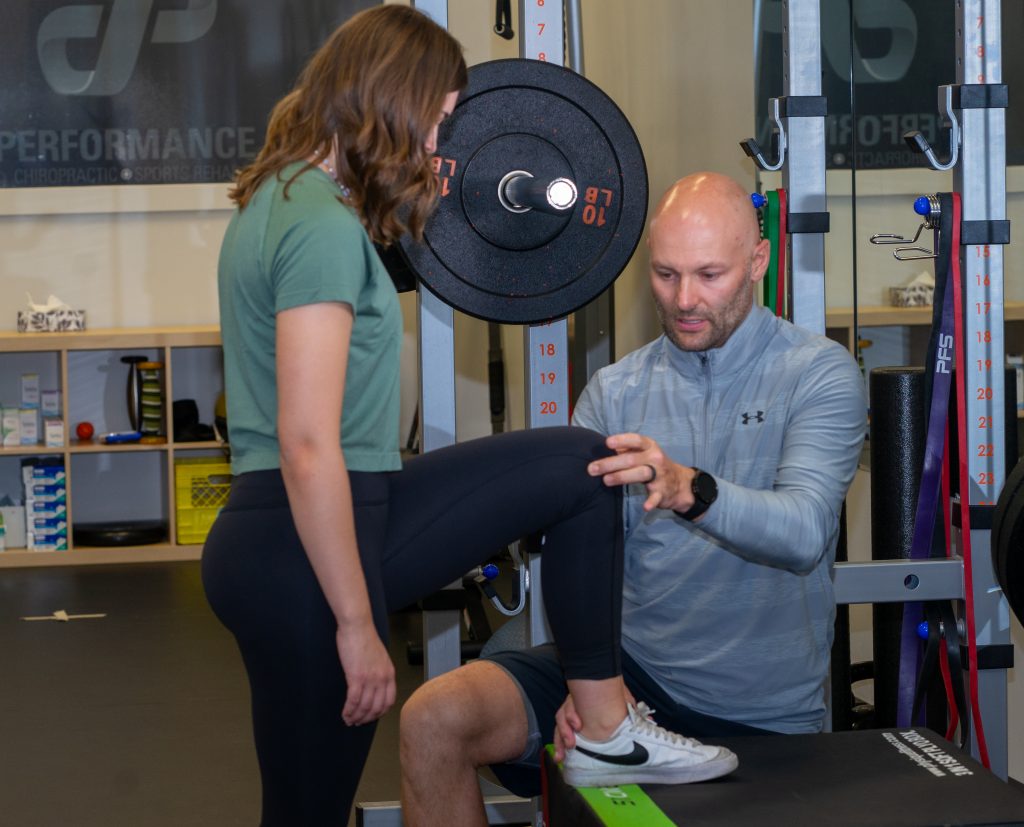
Many athletes wonder about cost, frequency, and preparation for physiotherapy. Care plans are individualized based on assessment findings and goals, with visit frequency adjusted as progress is made. No referral is typically required, and wearing comfortable clothing that allows movement is recommended. Choosing a provider experienced in sports-related rehab helps ensure treatment decisions are aligned with both recovery and performance needs.