

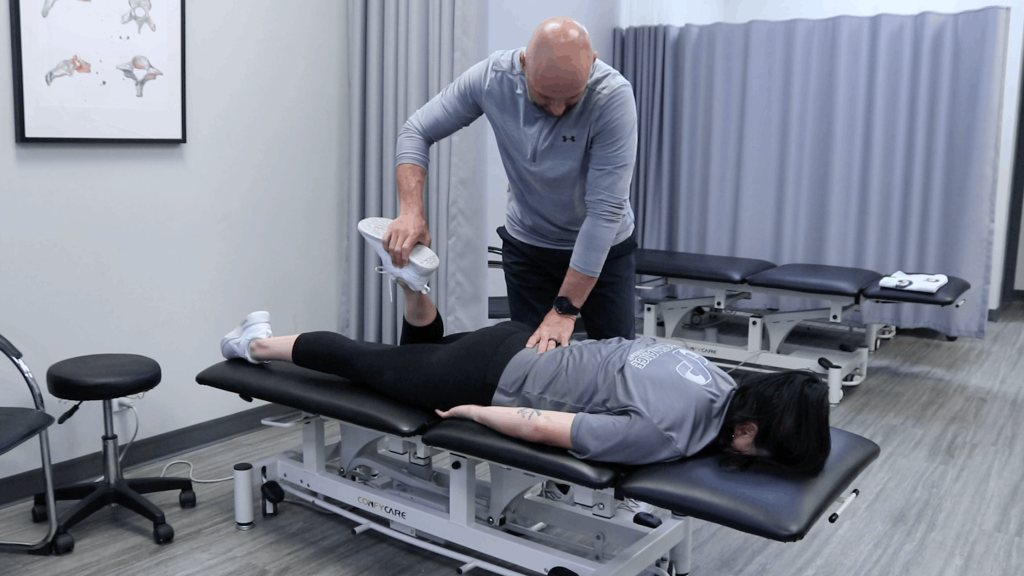
Care begins with a detailed assessment of movement, strength, joint function, and injury history, with attention to how symptoms behave during skating-specific positions. Treatment may include manual therapy to address joint and soft tissue restrictions, progressive strengthening and mobility work, neuromuscular retraining, and graded exposure to impact and speed. Objective reassessment guides progression, and return-to-sport decisions are based on function and tolerance rather than time alone.
Ice cross downhill combines sprint skating, sharp turns, jumps, and repeated impacts on hard ice surfaces, creating a unique injury profile. Standard rehabilitation approaches may miss sport-specific forces such as high-speed deceleration, edge loading, and collision trauma. Addressing these factors early reduces the risk of prolonged pain, compensation patterns, and delayed return to competition.
Falls and athlete-to-athlete contact at speed commonly lead to acute injuries such as shoulder separations, knee ligament sprains, hip contusions, and spinal joint irritation. Without guided rehab, swelling and protective movement patterns can limit range of motion and delay tissue healing.
Training sessions place repeated stress on hips, knees, ankles, and the lower back due to skating posture and explosive starts. Over time this can cause tendinopathy, joint irritation, or muscle imbalances that worsen if pain is ignored or trained through.
After a crash or strain, proprioception and reaction time can be impaired even when pain seems manageable. This loss of control increases the risk of re-injury during high-speed technical sections if not specifically retrained.
Athletes often feel pressure to return quickly, but doing so without restoring strength, mobility, and tolerance to impact can lead to chronic symptoms or more severe injuries later in the season.
Working with a qualified provider allows rehab to be built around the real demands of ice cross downhill rather than generic exercises. The goal is not just pain reduction but restoring skating mechanics, explosive power, joint stability, and confidence so you can train and compete at your previous level or higher.
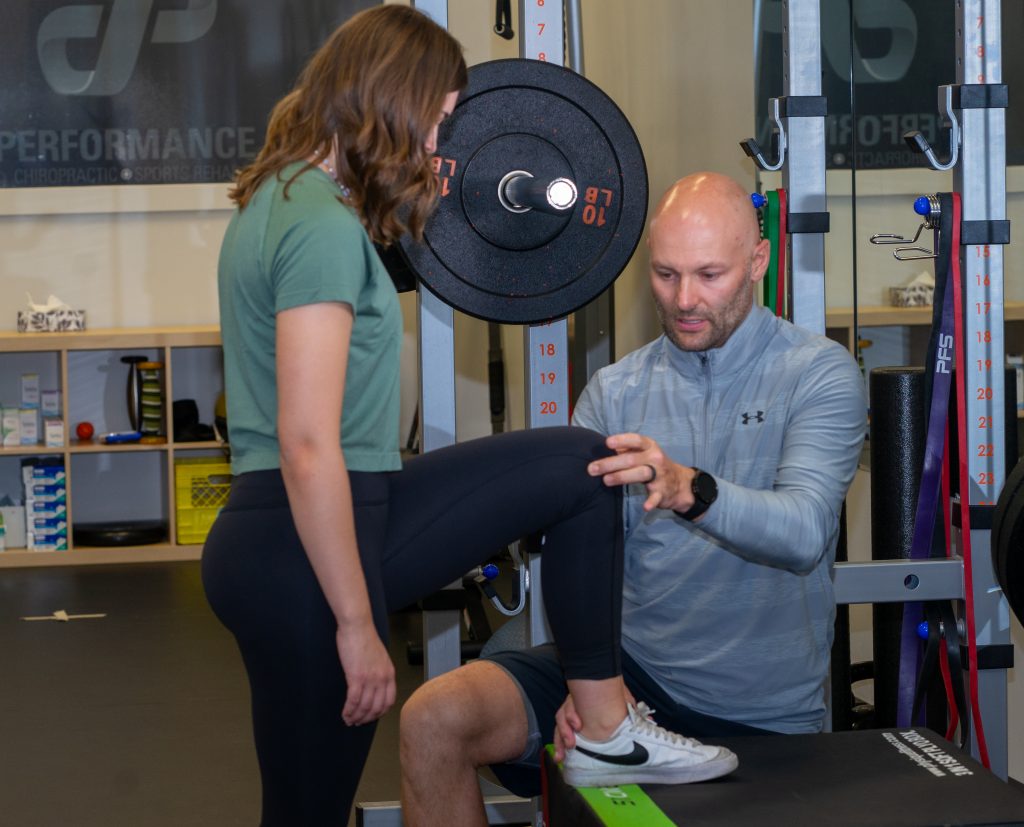
Athletes often ask about timelines, cost, and readiness to return to racing. Recovery time depends on injury severity, tissue healing, and training demands rather than a fixed schedule. Fees generally reflect assessment time and treatment complexity, and your physiotherapist can outline a plan after the initial visit. You can expect clear communication, active participation in rehab, and objective criteria to help you decide when it is safe to push speed and intensity again.